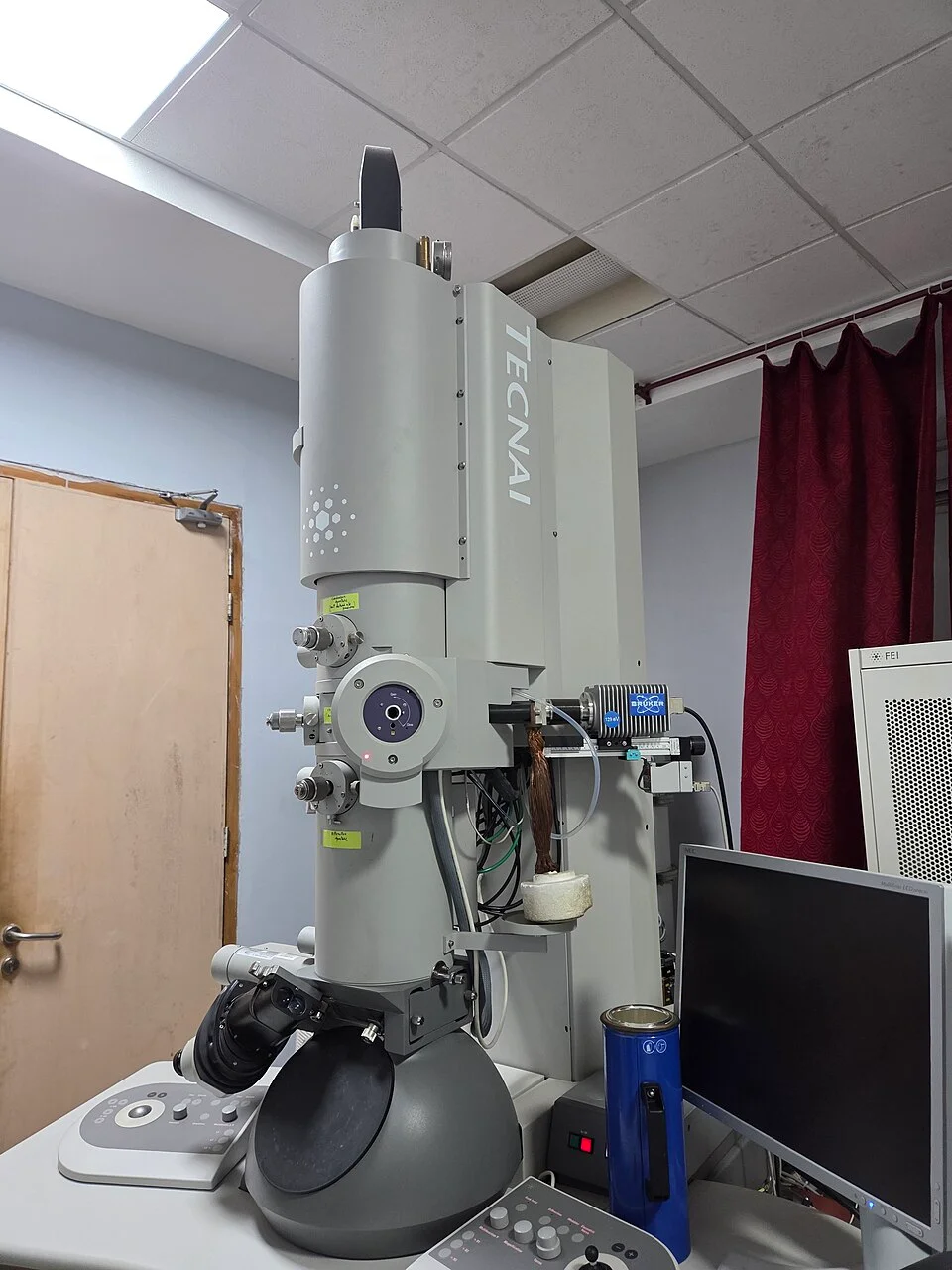
An Austrian team has proposed coupling an electron beam to trapped ions. The mathematics supports the idea. Building an instrument that can demonstrate the gain is the next task.
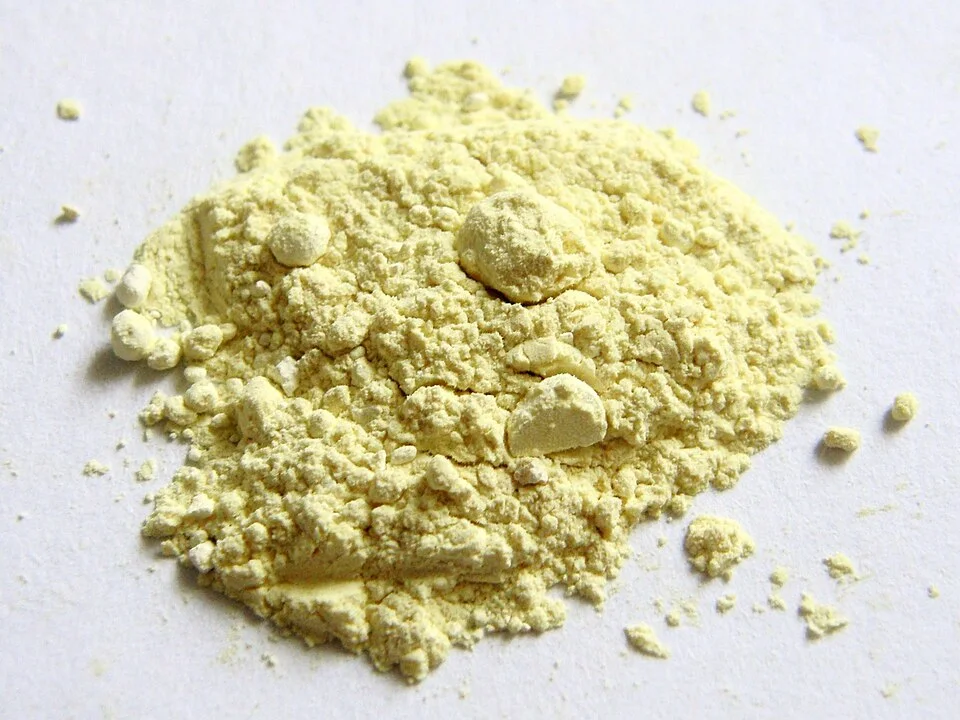
A laboratory team used short flashes of light to change the structure of bismuth oxide. What matters for a device maker is the difference between the film’s response and a whole product’s performance.
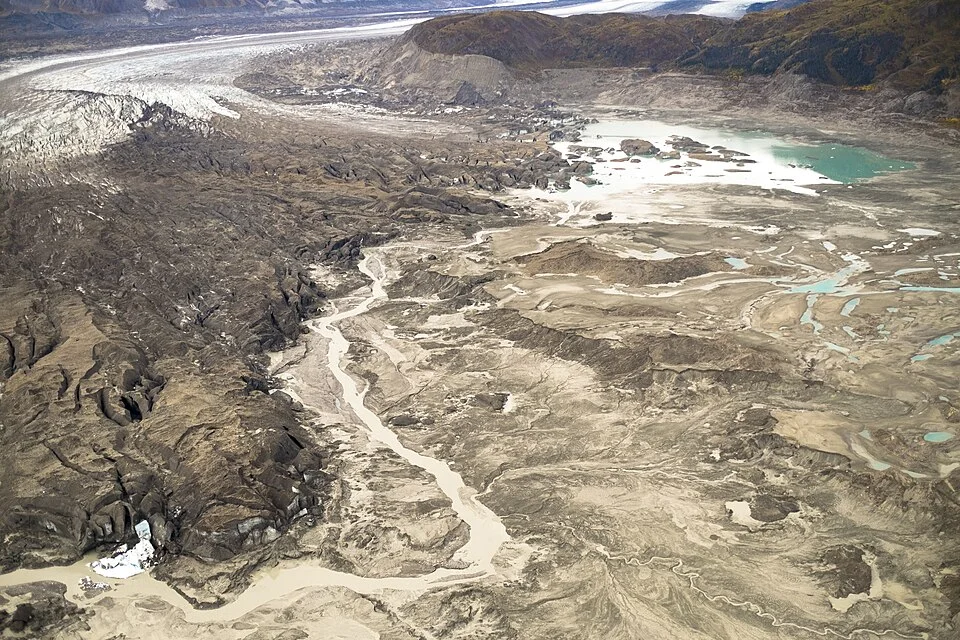
A study compared meltwater from 61 glaciers on five continents. Differences in the water itself offer clues to how much information about earlier snow and rain remains in the ice.
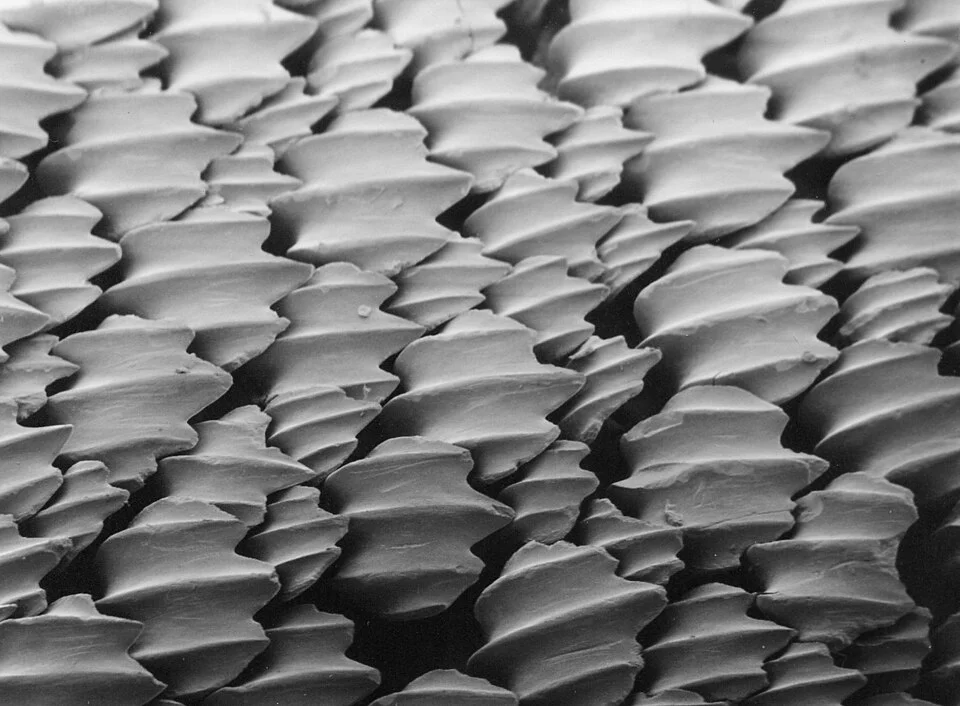
Researchers used reef sediments on opposite sides of Panama to estimate shark abundance before intensive fishing. A coastline barely 100 kilometres away can offer a misleading standard for recovery.
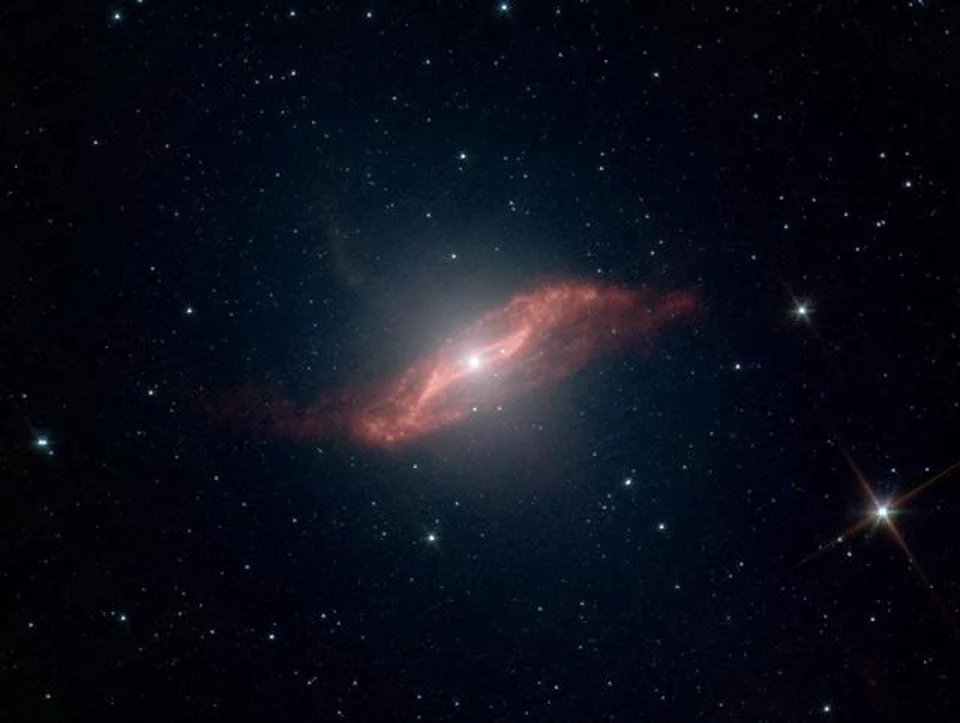
Light from an object seen 660 million years after the Big Bang carries the imprint of unusually dense gas. The researchers propose a black hole wrapped in a star-like envelope.
German supermarket data link digital trolley use with higher spending. Look at the people who uploaded a shopping list and the story gets more interesting.
Three-dimensional scans of living leaves show how the space beneath a pore matters for water use. They also explain why counting pores alone can give crop researchers the wrong impression.
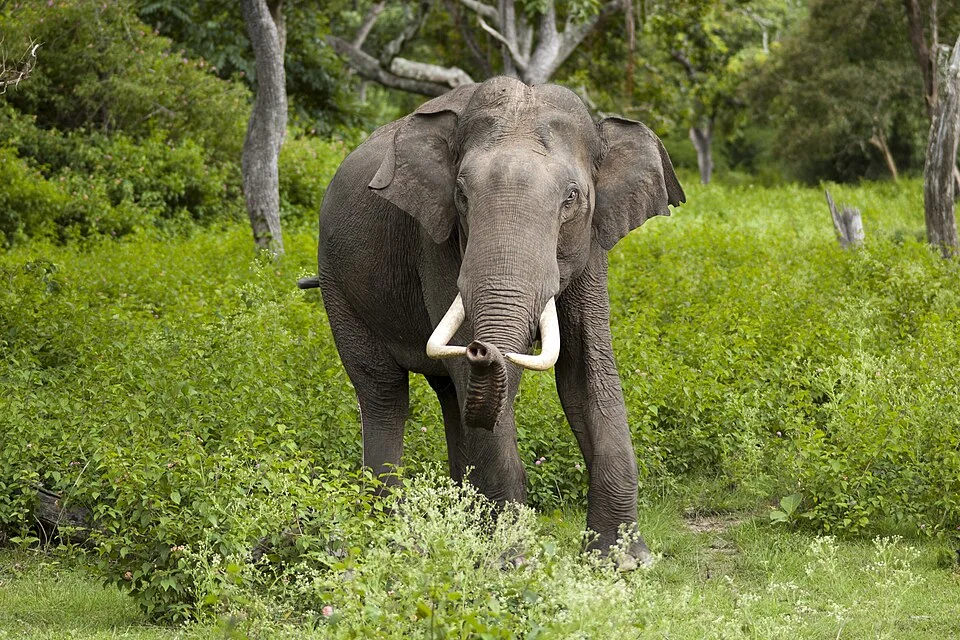
India used genetic signatures and observations to estimate its wild elephant population. World Elephant Day brings a useful question into focus: what can a different counting method tell us about a population trend?
An H3 rocket delivered Michibiki No. 7 to its planned orbit. The purpose of Japan’s regional navigation system is easiest to grasp on a street where buildings cut off much of the sky.
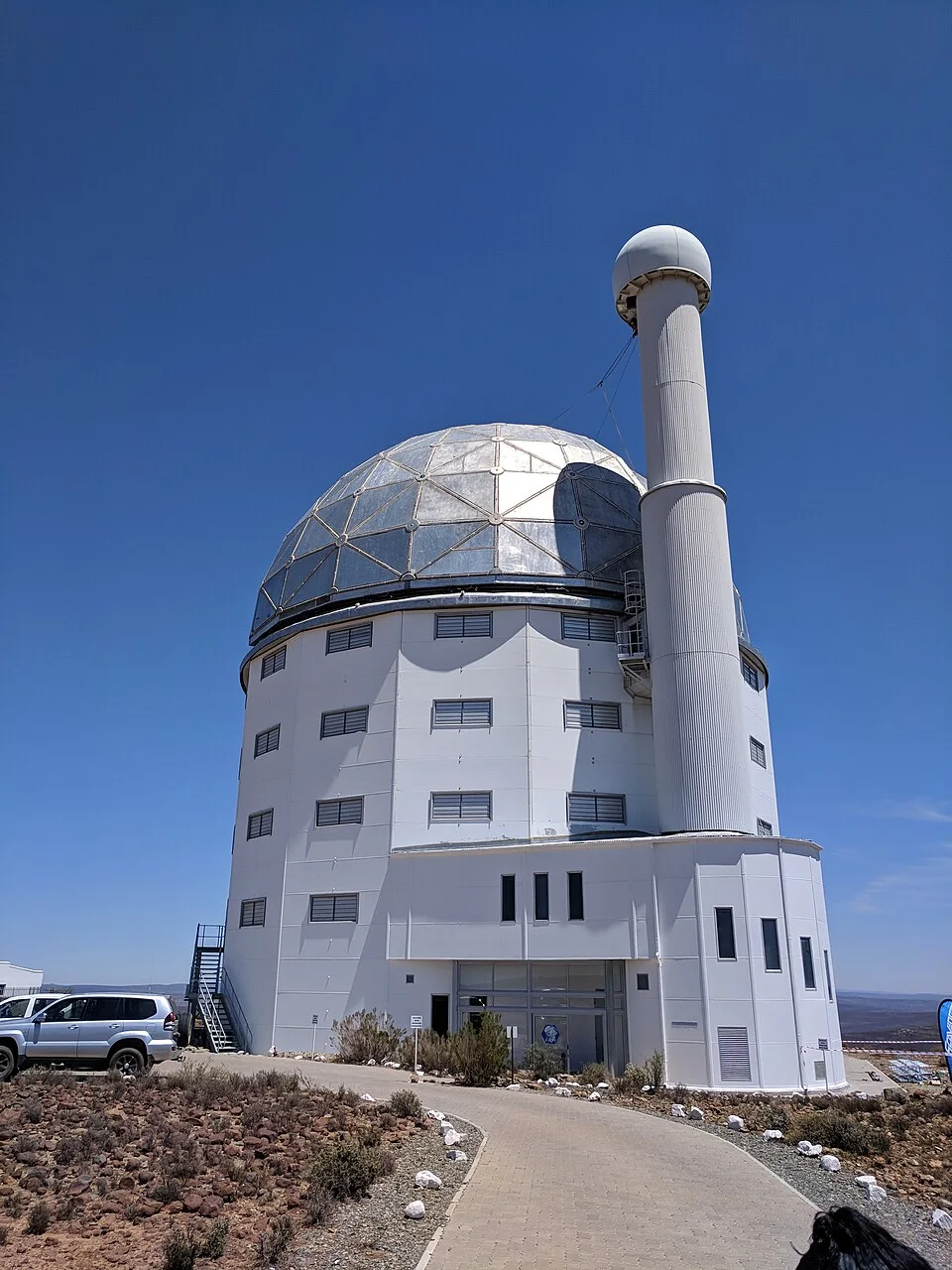
A brief X-ray signal set telescopes around the world looking at the same patch of sky. SALT kept watching as the light changed and helped identify the kind of star explosion that had occurred.
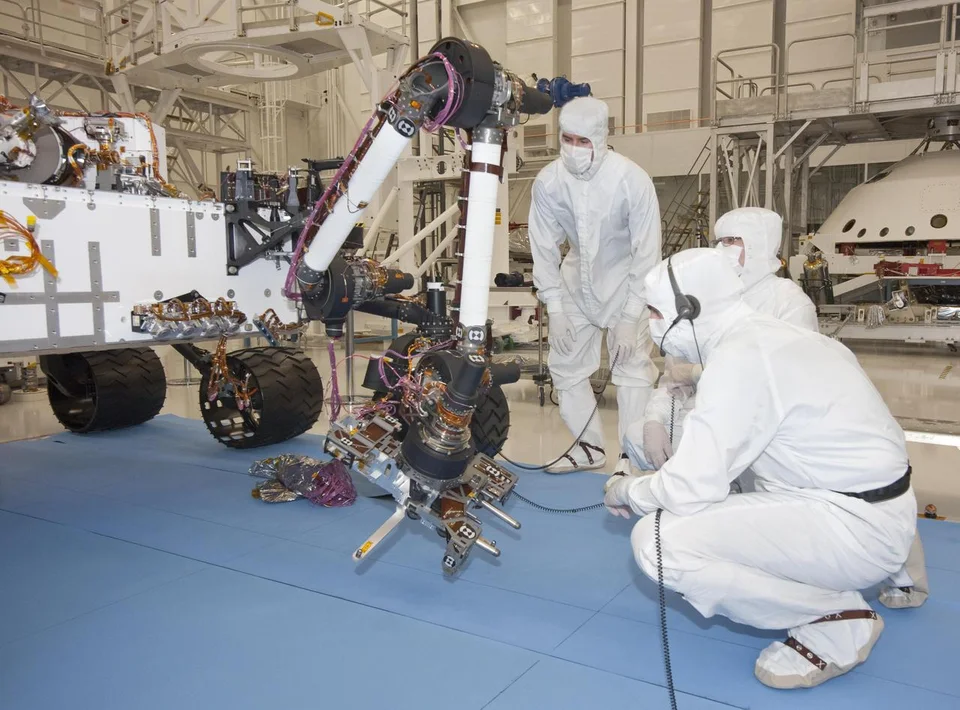
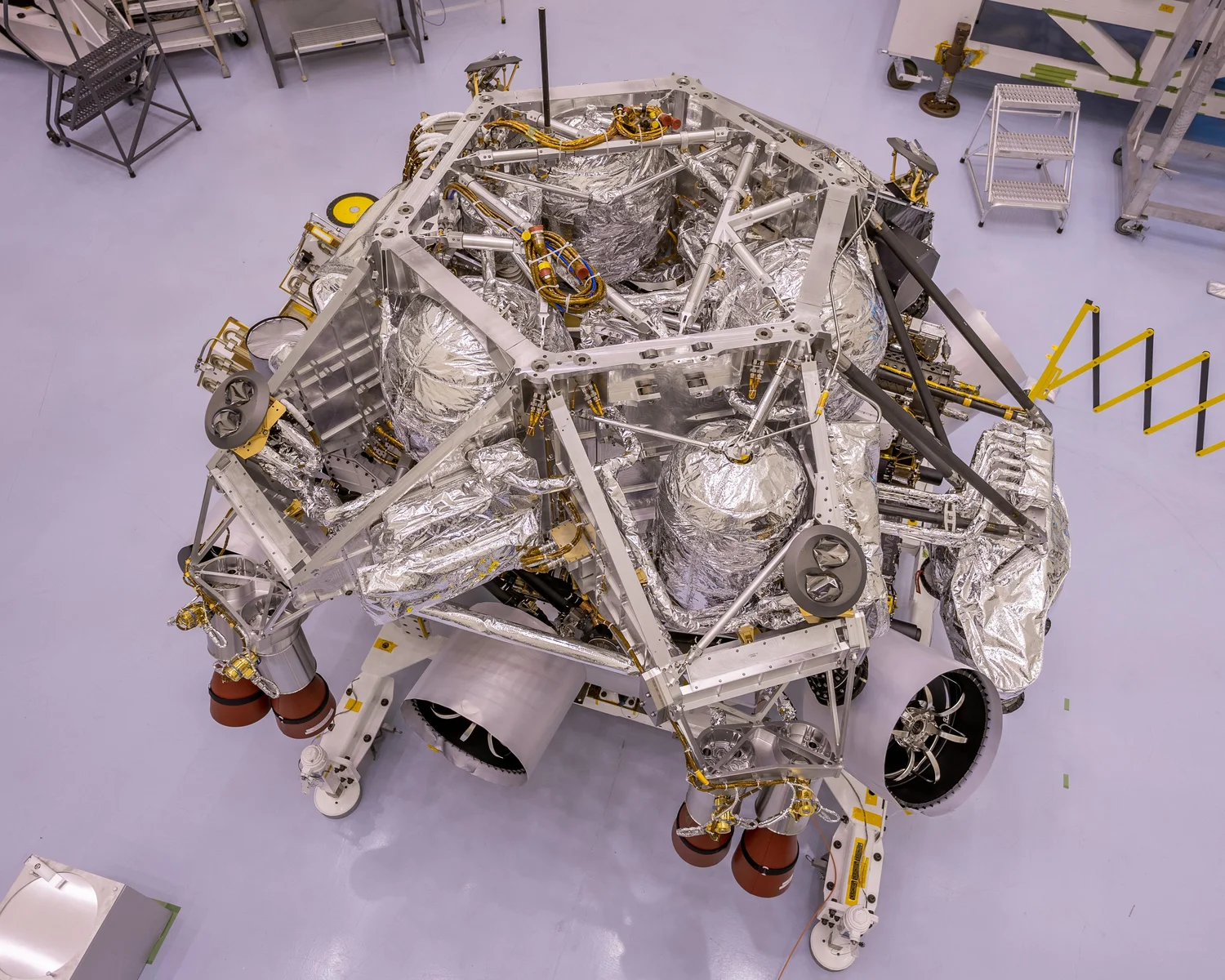
The Mars rover’s Canadian-built instrument can identify elements in a rock. Picking a surface its arm can safely reach is a different problem, as the team’s July notes reveal.
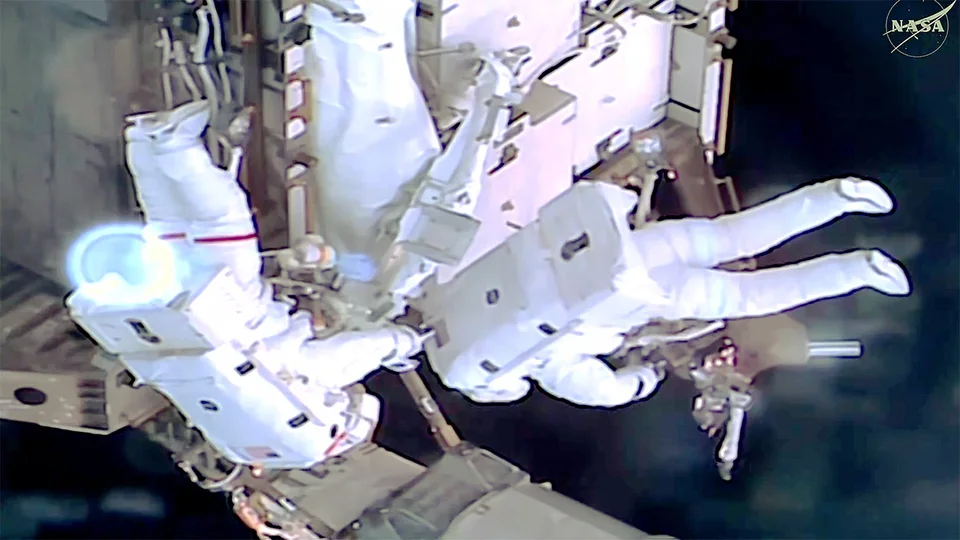
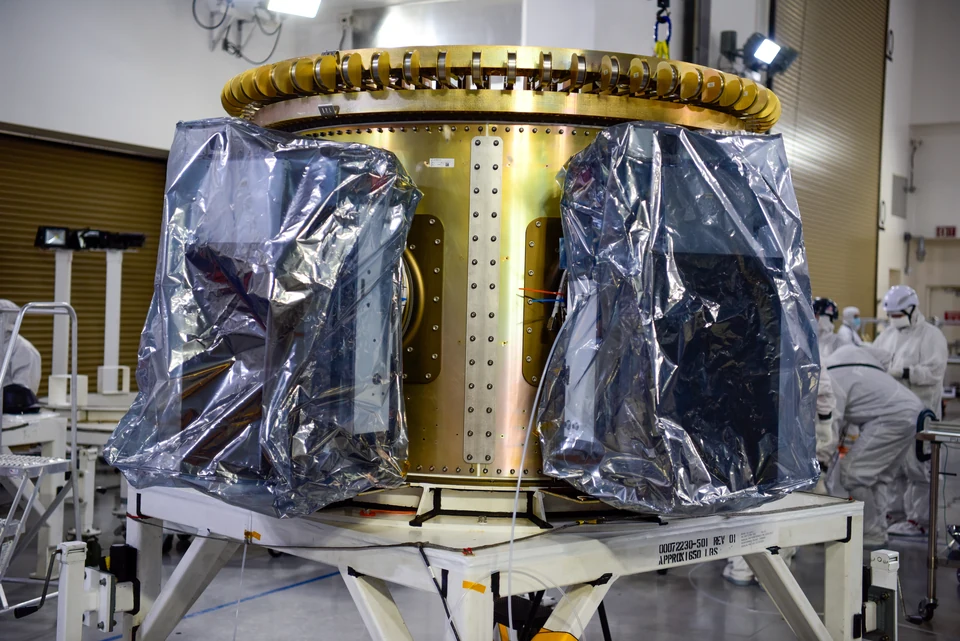
Jessica Meir and Anil Menon prepared one power channel for a new solar wing. Their work explains a less visible part of keeping a laboratory alive in orbit.
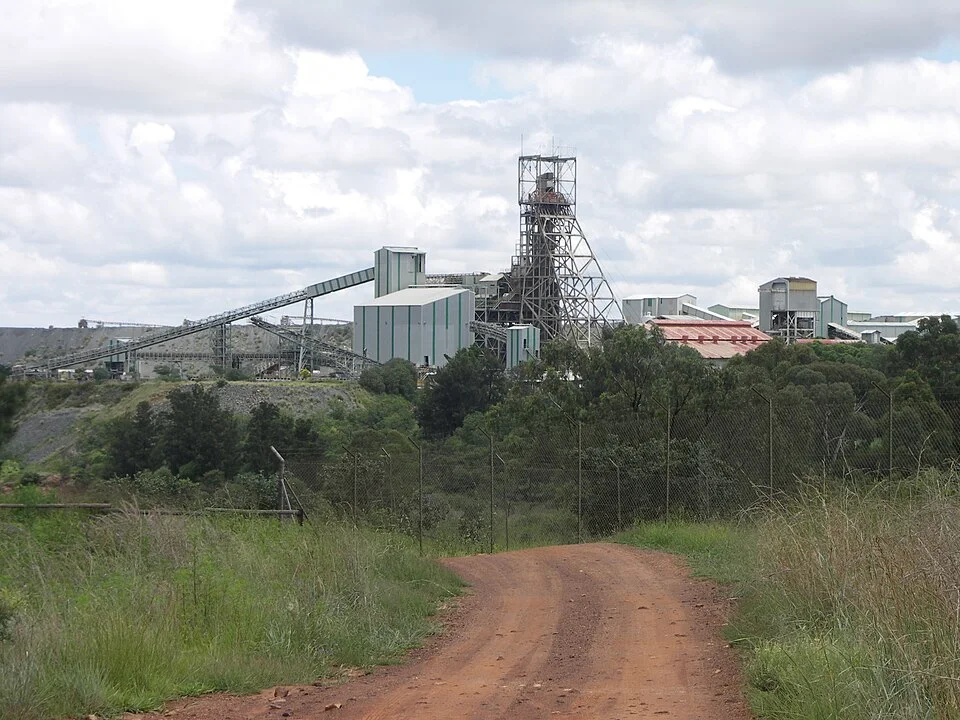
A study of mining companies and service providers puts changes to everyday processes alongside new products. Its choice of firms is essential to reading the results.
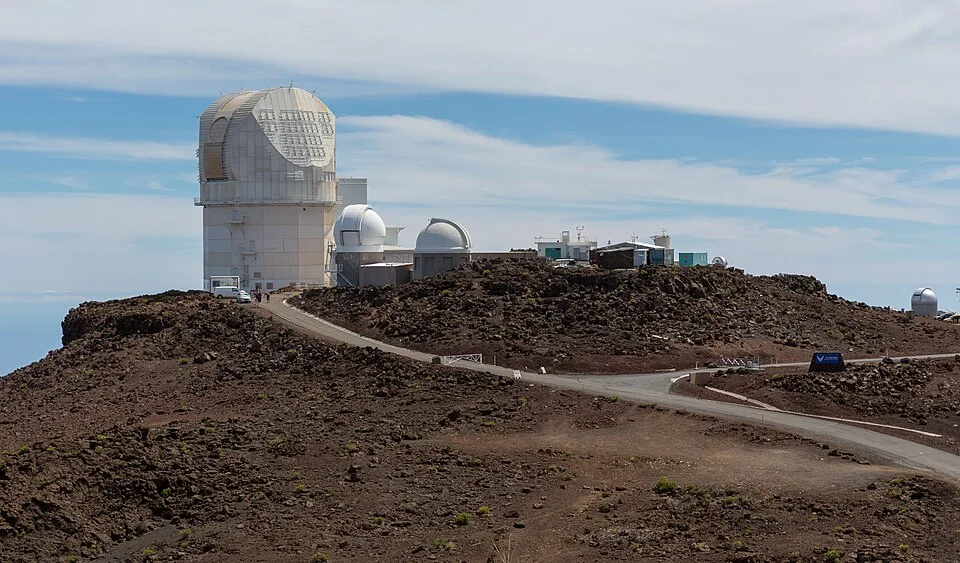
Images from a telescope on Maui reveal tiny disturbances where magnetic regions meet moving plasma. The gap between successive swirls helped scientists test their explanation.
NASA released images from Perseverance in which Phobos passes in front of Earth. Reading the sequence means knowing where the camera stood and what the image team combined.
NASA’s PUNCH team tested a forecast on images of a past solar eruption. Its result points to a reason to keep watching a cloud long after it leaves the Sun.
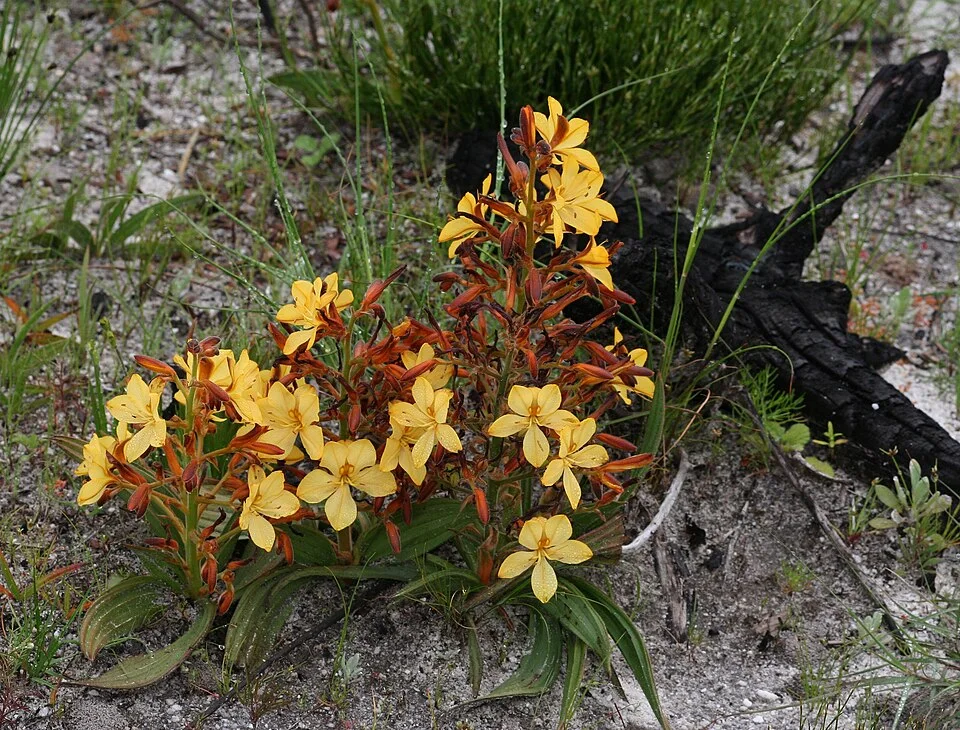
Cape researchers found a connection between the way a butterfly lily grows and the side of an insect that carries its pollen. An accidentally inverted bud supplied one of the clues.
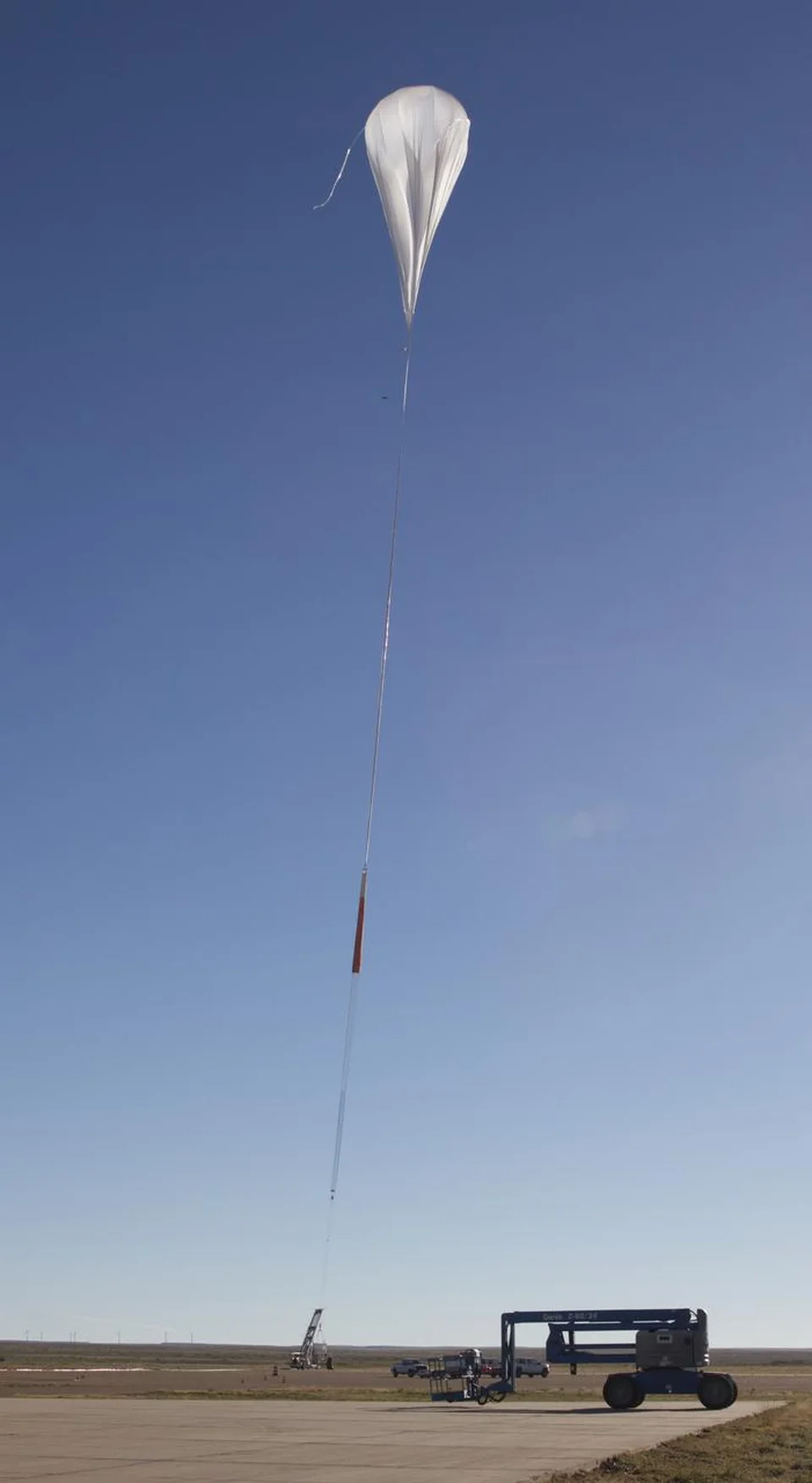
NASA-backed student teams plan dozens of balloon launches around the 12 August eclipse. Their target is the moving boundary between the ground and the air above it.