- Researchers used rapid heating and cooling to change the structure of a bismuth oxide coating.
- A different crystal arrangement produced more light-induced electric current under experimental conditions.
- The measurement was made on a thin film and does not establish higher efficiency in a complete solar panel.
Inside this story 2 perspectives
It sounds like a recipe for broken glass: heat a coating to nearly 2,000 degrees Celsius while keeping the sheet underneath below 100. Researchers at the Hebrew University of Jerusalem report that they did just that by making the heating step extraordinarily brief. A flash of light changed the structure of a thin film on conducting glass before heat had time to spread through the support.
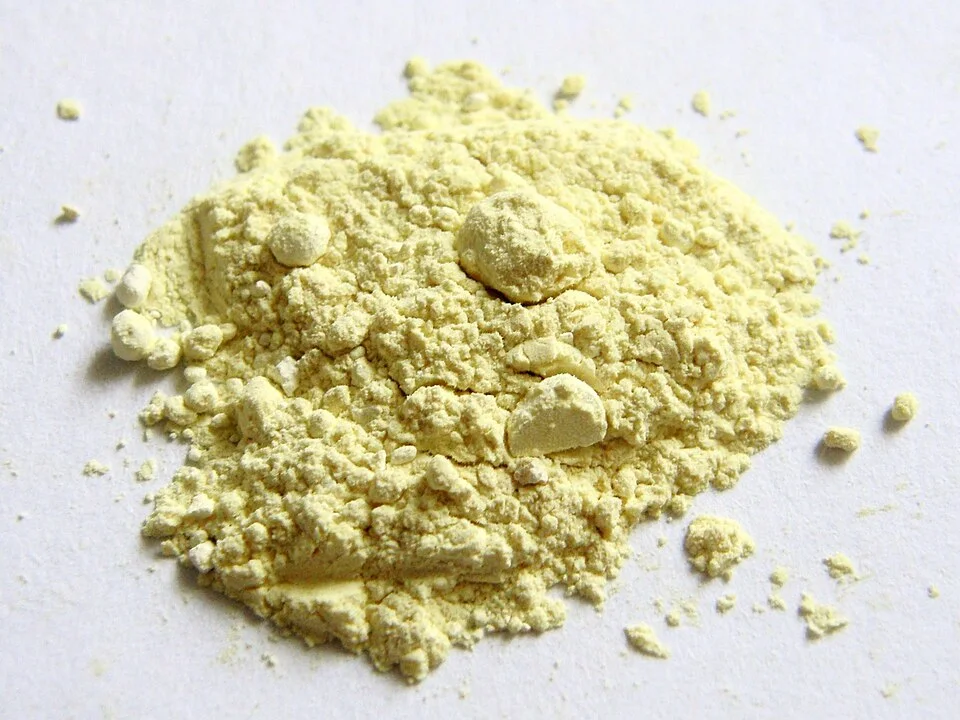
The subject was bismuth oxide, a material whose atoms can occupy different arrangements. The arrangement matters because it helps determine what the film does with incoming light. The team, led by Shahar Artzi and Ronen Gottesman, reported its results in Small Structures. In a public account on 18 August, the researchers described changing the colour of the film from pale grey to bright yellow and measuring substantial differences in the electrical current it produced under illumination.
Why use a flash?
In a conventional furnace, the film and the glass have time to heat up together. That is a useful feature when the aim is to heat an entire object evenly. It becomes an obstacle when the desired change requires a temperature the backing cannot tolerate. Cooling creates a second problem. If the film cools gradually, its atoms may return to their usual arrangement before the experimenter can make use of the alternative one.
The light treatment separates those processes in time. The coating takes up the energy quickly, and the rapid change helps preserve a different arrangement after the flash. The team reported that pulses delivering the same total energy could produce different outcomes depending on how quickly the energy arrived. One could therefore hold the material and energy budget constant and change what remained on the glass by changing the timing.
How much current, in which device?
For samples prepared in different ways, the researchers reported roughly ten to fifty times as much light-induced electrical current in the yellow form as in the comparison form. That figure describes a particular film under test. A complete solar panel includes other materials, electrical connections and losses. Its commercial value also depends on how consistently a production line can make the film, how large an area it can cover and how it performs over years of use.
The team could switch between the two crystal arrangements repeatedly on the same conducting support. That makes the result interesting beyond the specific increase in current. A manufacturer that needs two properties at different points in a device has a reason to investigate a treatment that can change one coating while preserving the material underneath. Before that prospect reaches a factory, the modest coated sample in the laboratory still has a considerable amount of work to do.