- Otter 24C launched on 1 October.
- NASA reported that communications were lost during commissioning.
- The planned close inspections were never demonstrated on this flight.
Inside this story 2 perspectives
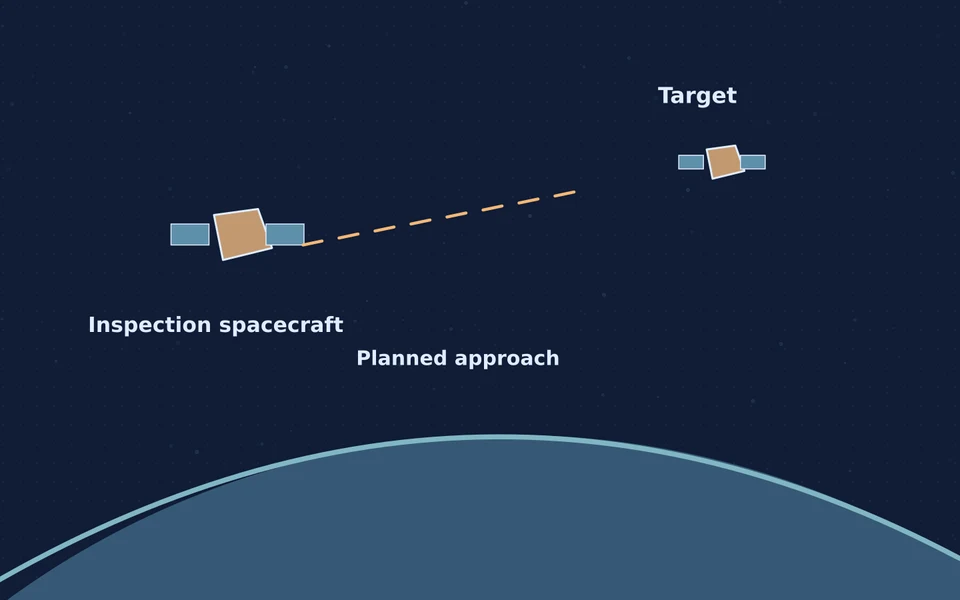
A mechanic asked to assess a silent machine usually begins by walking around it. For the operator of a satellite, even that first look can require another spacecraft, months of preparation and a launch. NASA’s Small Spacecraft Propulsion and Inspection Capability demonstration, known as SSPICY, was meant to test what a close look could reveal about objects already in orbit. Its own spacecraft lost contact before the inspection work could begin.
NASA said on 3 November that Starfish Space’s Otter 24C, launched on 1 October, had experienced a loss of communications during commissioning. By 9 November, Space.com reported that Starfish, NASA and spacecraft partner Astro Digital had concluded it could not be recovered. The difference between the two announcements matters. Losing a signal prompts a recovery effort. Ending that effort leaves a programme with a different question about the evidence it hoped to gather.
What the customer was buying
An object can be visible from the ground without giving its owner much information about the condition of individual components. A closer inspection could help an operator assess whether an ageing spacecraft might be serviced, or understand the condition of an object with which it has lost contact. NASA designed this demonstration around visiting and examining objects in low Earth orbit. Taking a useful photograph under those conditions is an engineering task in its own right.
A customer considering such a service would want to see what information the inspector could deliver. Could it supply a view that changed an owner’s assessment of a spacecraft? Would the owner have enough confidence in that information to commission another mission? Unlike a standard photograph of a vehicle in a workshop, an image taken in orbit has to justify the cost of sending the camera there.
The lost mission leaves those questions open. There is a difference between testing equipment on the ground, flying it to orbit and showing that the equipment can perform the inspection a customer might pay for. The launch established one part of that record. It did not also establish the performance of the uncompleted visits.
The value of an unsuccessful demonstration
A company assessing a prospective supplier can draw a narrower lesson from the case. Ask where in its sequence of milestones a demonstration ended. An investor interested in satellite maintenance may learn more from the answer than from a simple count of spacecraft launched. For a public agency, the same distinction helps explain what knowledge a technology contract actually bought.
NASA published its initial account while the partners were still working to restore communications. The subsequent decision closes the recovery chapter. It also leaves an unusually clear line in the history of this experiment. There is now evidence about getting the first Otter to orbit and the difficulties its operators encountered there. A customer who wants proof of a completed inspection must still look to another flight.