- Researchers recovered 3,497 shark scales from 157 samples.
- The historical abundance estimate for Pacific reefs was around twenty times the Caribbean estimate.
- Differences in productivity and historical pressure matter when interpreting conservation targets.
Inside this story 2 perspectives
If scientists want to know how many sharks a reef could support, an obvious place to look might be a nearby reef that appears to be thriving. On opposite sides of Panama, however, that comparison can lead badly astray. Researchers estimate that reefs on the Pacific coast supported about twenty times as many sharks as Caribbean reefs did thousands of years ago, before intensive fishing. The sites are only about 100 kilometres apart.
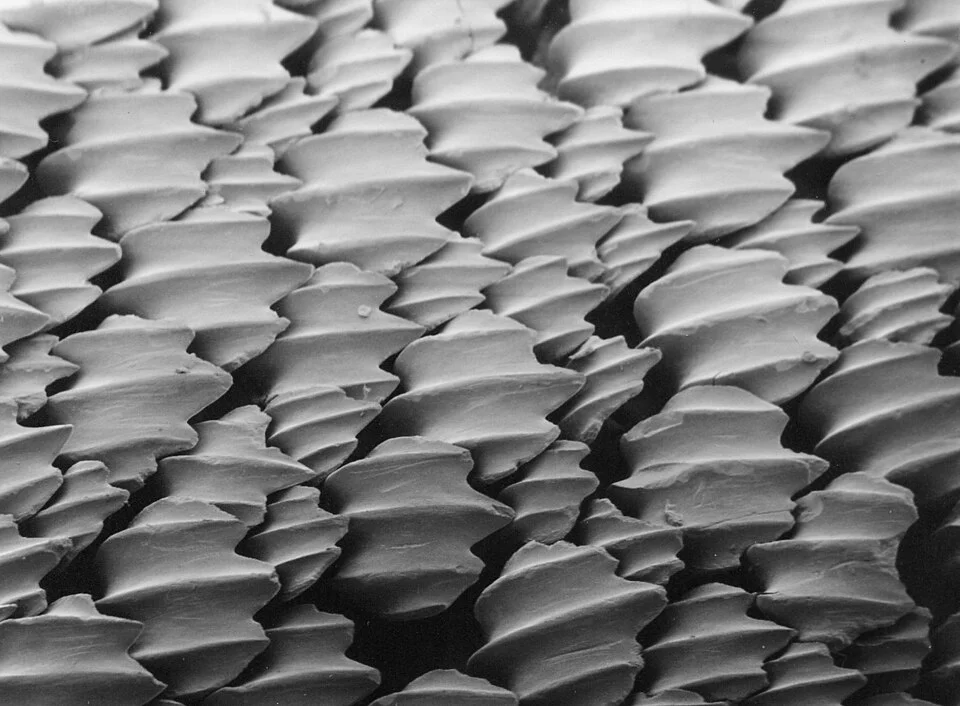
The evidence comes from pieces of skin so small that a diver watching a shark swim past would barely give them a thought. Sharks naturally shed tooth-like scales called dermal denticles. Some fall into sediments on the seabed and survive there long after the animal has gone. The research team recovered 3,497 of them from 157 sediment samples and compared what had accumulated in different places and periods.
A record a diving survey cannot supply
The team examined deposits laid down roughly 3,000 to 7,000 years ago alongside much more recent sediments. The comparison lets researchers ask a question that modern observations alone cannot answer. Did the two coasts support similar shark communities before people began fishing them heavily, or were they already different?
The scientists point to the water itself. Seasonal upwelling on the Pacific side brings nutrients towards the surface, supporting production at the base of the food web. More food can in turn support more animals higher up, including predators. Two reefs can share shark species and lie close together on a map while providing sharply different amounts of food. Treating one as a natural benchmark for the other would erase that history.
A baseline for one coast at a time
The Caribbean samples showed a decline of around three quarters in the rate at which denticles accumulated compared with the prehistoric baseline. The recent Pacific samples did not show a statistically comparable fall. This finding describes what the sediments retained. Each layer combines evidence over time; it cannot supply a count of sharks present on a particular reef this season.
That limitation matters for conservation. A Caribbean reef could be below its own historical abundance even if the quite different Pacific level was always beyond its capacity. Equally, the long-term Pacific result cannot guarantee that its sharks are insulated from modern fishing pressure. A management decision about either coastline still needs contemporary observations.
The practical advance is a way to replace guesswork about the past with evidence from the same place. Before managers set a target for a damaged ecosystem, they can ask what lived there, what supported it and over what period the record can actually be read.