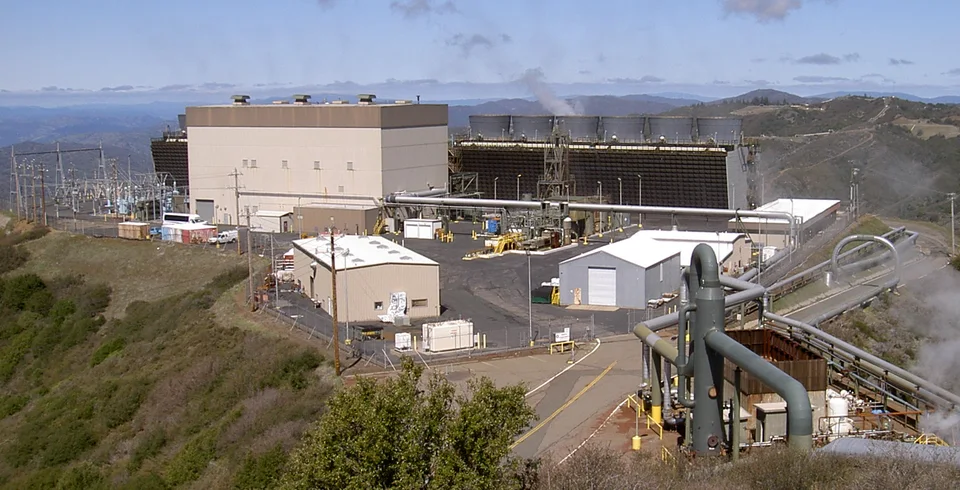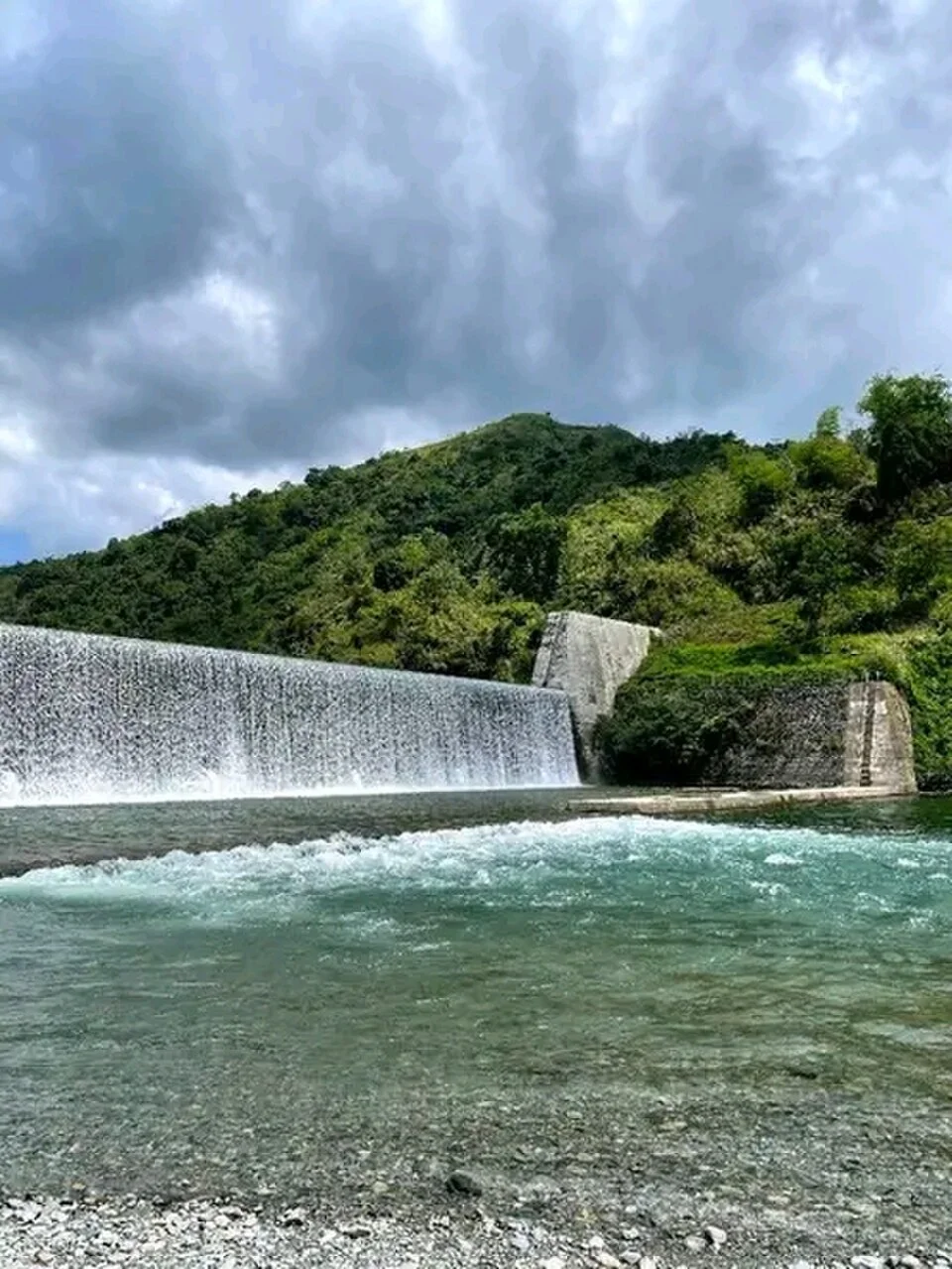
A solar panel stops supplying power after sunset. At Lunsemfwa in Zambia’s Central Province, that is precisely when a new solar plant could make a difference. If panels supply electricity at midday, the operator can hold water back and put it through the turbines when people get home and switch on their lights.
Lunsemfwa Hydro Power Company’s new solar plant was formally commissioned in Kapiri Mposhi, the national broadcaster ZNBC reported on 4 August. Zambia already had solar plants and hydroelectric stations. What makes this installation a first for the country is the decision to operate the two sources together at an existing hydro site.
The panels have a peak capacity of 27 megawatts. POWERCHINA, the contractor, puts the alternating-current rating at 20 megawatts. The first figure describes the panels under test conditions. The second describes the capacity on the side that feeds the grid. Adding those figures together would count the same equipment twice.
There is a practical advantage to building where electricity already leaves the site. The project uses the hydro station’s existing infrastructure, with a new substation and two transmission lines of roughly one kilometre each. The operator already supplies the national utility, ZESCO, as well as private customers including Copperbelt Energy Corporation and Jubilee Metals.
For a mine working across shifts or a grocer keeping a freezer cold overnight, the hour at which a megawatt is available matters. Daytime solar gives the operator more choice about when to generate from water. A long dry spell can still leave too little water to release. The useful measure in the months ahead will be how much electricity reaches customers during the evening peak, especially when reservoir levels fall.