- The researchers compared grassland and raspberry plots over two years.
- They sampled soil at two depths and tested different forms of organic matter and microbial activity.
- The measurements cannot establish long-term harvest performance.
Inside this story 2 perspectives
What happens to soil when a solar panel casts a shadow over the same patch of farmland year after year? One appealing answer is that the shade protects it. Another is that less light reaching the plants leaves less material to feed the organisms below ground. A study published on 13 November found a reason to be suspicious of either answer on its own. The outcome depended on what grew under the panels, which layer of soil was sampled and what the team chose to measure.
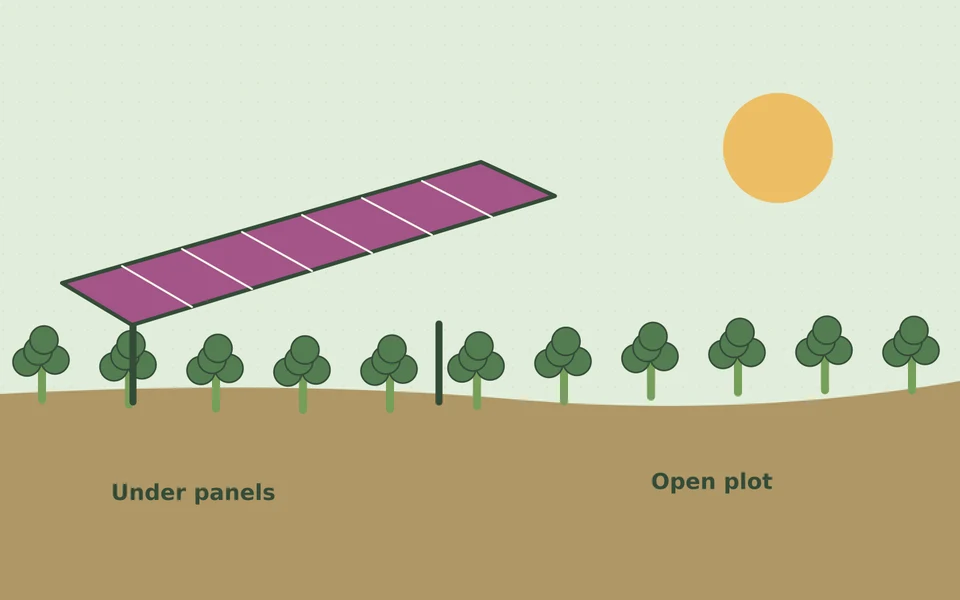
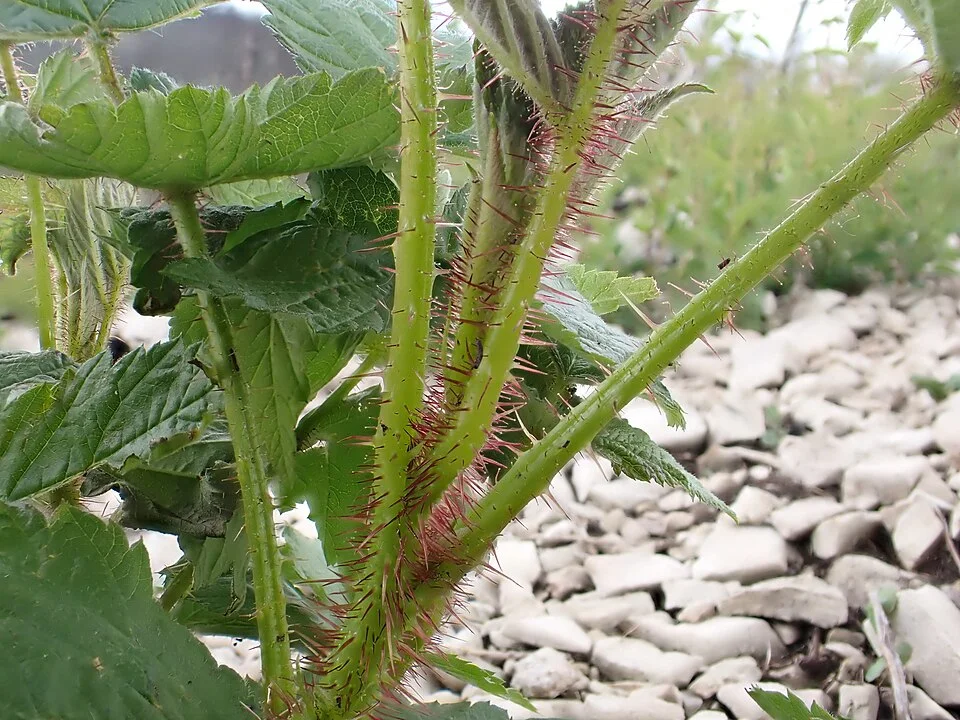
Researchers compared permanent grassland and raspberry plots under and outside an agrivoltaic installation over 2024 and 2025. These are systems in which agricultural production and solar electricity share land. The team examined soil from the surface down to five centimetres and again from five to ten centimetres, using three replicate plots for each combination of vegetation and panel cover. They measured different fractions of organic matter and several indicators of microbial activity.
Why two handfuls of earth can give different answers
Organic matter includes material that soil organisms can use readily and material that takes longer to break down. A change in one fraction need not produce a conspicuous change in the whole. The researchers also gave samples selected materials for microbes to use and examined their respiration. This gives a way of comparing how the organisms in different samples respond under test conditions. It does not directly measure how many raspberries a grower will pick.
In these tests, the response to an added substrate depended on the combination of vegetation, panel conditions, depth and year. Measures of other soil properties did not all follow the same pattern. That is an important practical detail for anyone commissioning a soil survey. A sampler who works only between the panels, or who mixes depths before sending the material to a laboratory, could miss the difference the installation owner wanted to know about.
What a grower would want to measure over time
An electricity meter gives an immediate answer about the power leaving a site. The equivalent question for the land is harder to frame. A grassland farmer may want a reliable supply of forage. A fruit grower also has to think about the number and quality of berries reaching market. A measure of organic matter is valuable background for both decisions, but neither business can use it as a substitute for its harvest records.
The study ran for two years and covered two vegetation settings. It cannot establish how every farm will respond over the life of a solar array. It does suggest a better question for the next site visit. Alongside electricity output, what was growing here before the panels arrived, which parts of the field will be sampled again, and will someone still be keeping those records several seasons from now?