- Two teams in Iceland plan 80 balloon launches before, during and after the eclipse.
- A research jet will measure the solar corona, while the Iceland balloons sample the atmosphere close to Earth.
- Iceland’s long summer days give researchers a different setting from previous eclipse campaigns.
Inside this story 2 perspectives
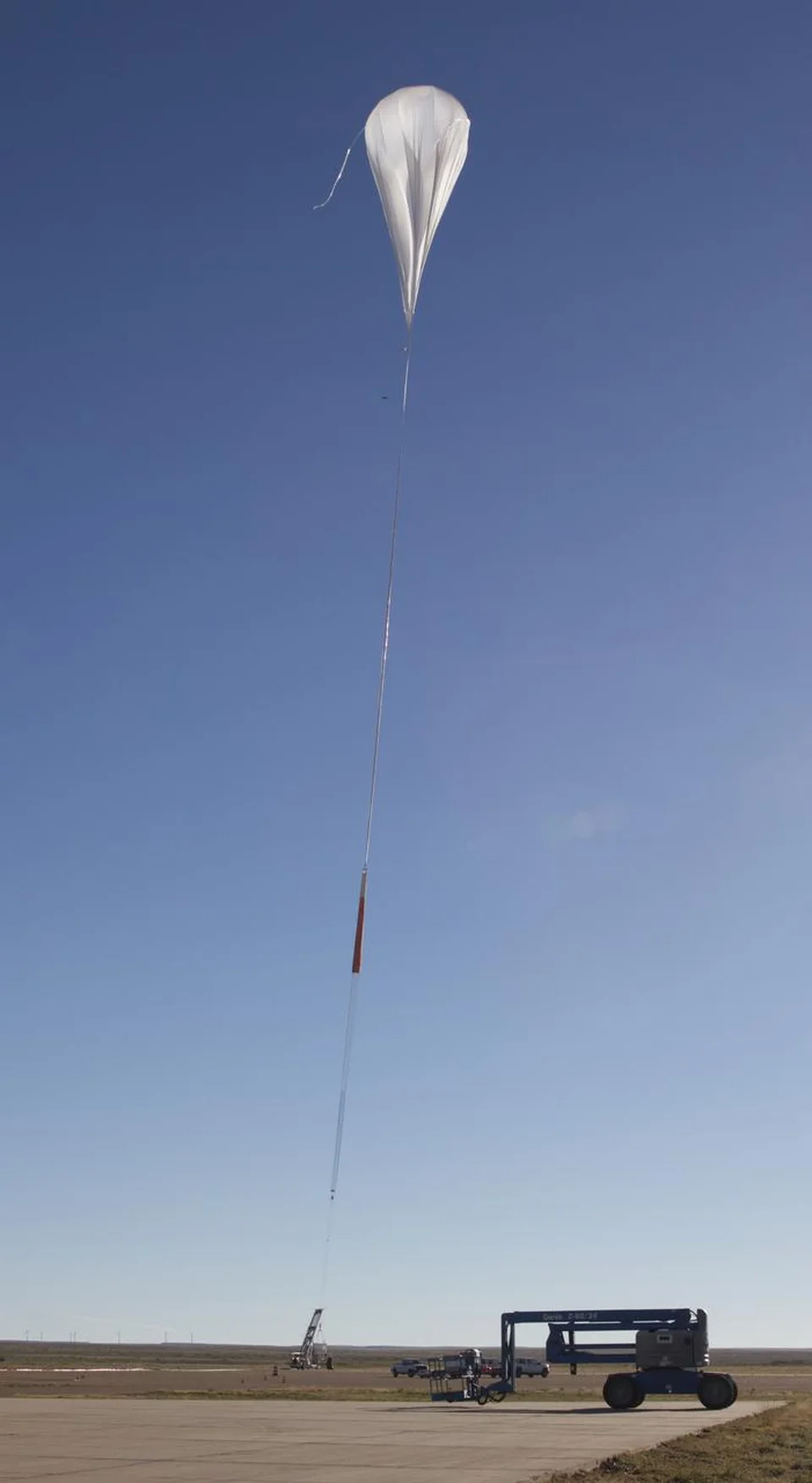
In Iceland, one of the most interesting instruments tracking the total solar eclipse on 12 August will be making observations long before there is anything unusual to see. Two student teams in a NASA-funded project plan to send up 80 research balloons in a series beginning 18 hours before the eclipse and ending eight hours after it. The Moon’s shadow supplies a brief interruption. Much of the experiment consists of finding out what the air was doing on either side of it.
The target is the atmospheric boundary layer, the part of the atmosphere most directly influenced by the ground. Sunlight warms the surface, which helps warm and mix the air above it. The depth of that mixed region changes. Passing a shadow across the landscape gives researchers a chance to investigate how quickly the air responds when one of its main sources of heating is abruptly reduced.
What the clouds change
Earlier balloon campaigns in 2023 and 2024 recorded the boundary layer getting shallower at eclipse sites with clear skies. Cloudy sites did not show the same pattern, according to NASA. That difference is one reason it pays to measure conditions before the shadow arrives. The ground under an overcast sky has already had a different morning from the ground under a clear one.
Iceland adds a further wrinkle. Its long summer days and short nights make it a different setting from the earlier campaigns. A brief twilight there interrupts a daily heating cycle unlike the one researchers encountered elsewhere. A single balloon could give a valuable profile of the air at a particular moment. A succession of profiles lets the team examine when a change began and how long it lasted.
One shadow, two directions of travel
High above the weather, another instrument will be pointing the opposite way. NASA plans to fly a WB-57 research jet with cameras trained on the solar corona, the faint outer atmosphere of the Sun. When the Moon covers the bright solar disc, details normally hard to distinguish become visible. The aircraft’s cameras are designed to record at least 20 images a second. For these researchers, the short duration of totality makes speed essential.
The balloon teams in Iceland face a different problem. Their subject is the atmosphere surrounding the observers themselves. The Sun can come back into view before the air below has finished responding. The most useful part of an instrument record may come after spectators have put their cameras away.
NASA’s maps place parts of northwestern Africa in the zone of partial eclipse, with totality along a narrower path that includes Greenland, Iceland and Spain. People along those different sightlines can share an astronomical occasion. The planned measurements will help describe just how differently two patches of Earth can experience the same passing shadow.