Innovation
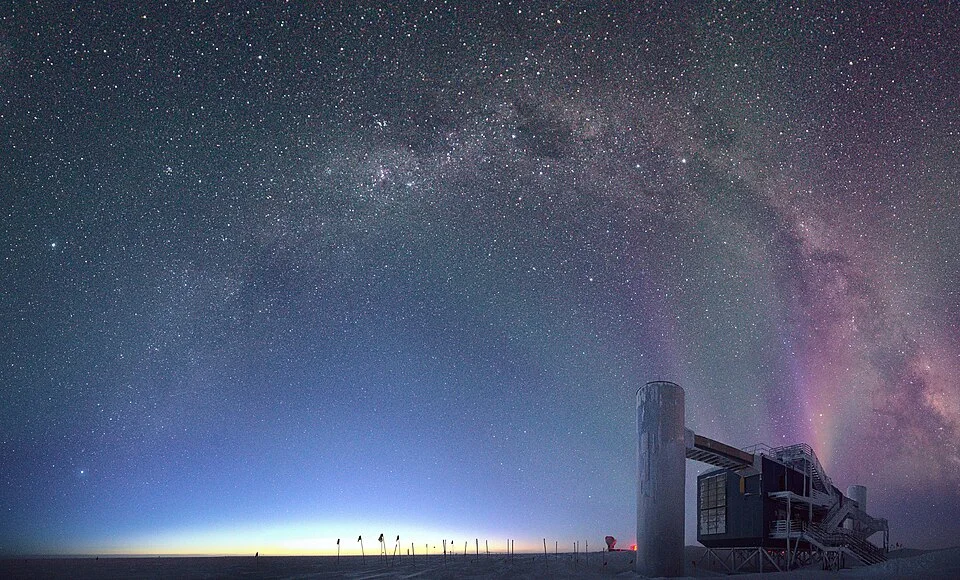
The telescope that earned Francis Halzen a Nobel looks down into Antarctic ice
IceCube built a way to look for rare, high-energy messengers from space by recording the light produced after a particle interacts in the ice.
IceCube built a way to look for rare, high-energy messengers from space by recording the light produced after a particle interacts in the ice.
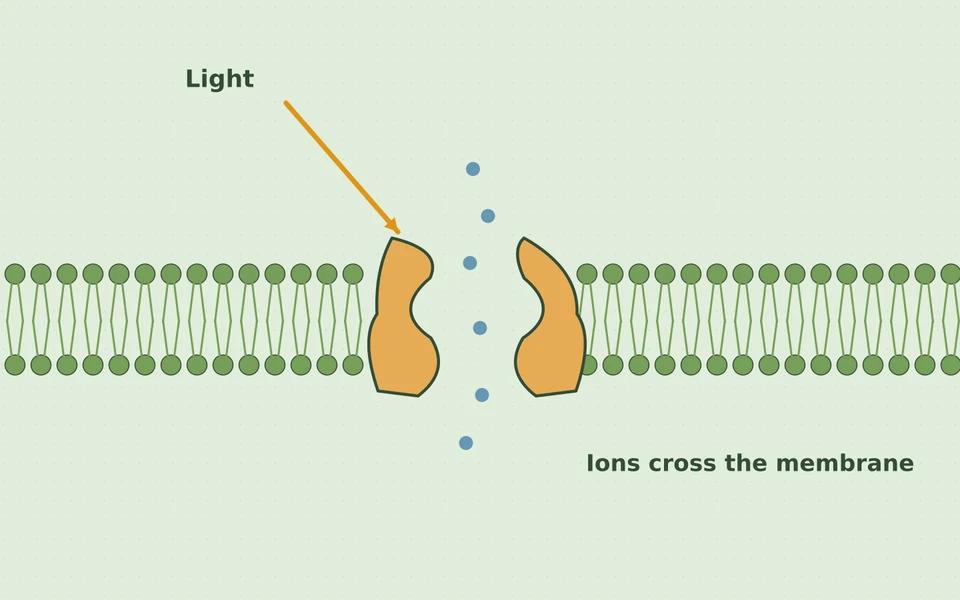
The 2026 medicine prize recognises Karl Deisseroth, Peter Hegemann and Georg Nagel. Their work connected a light-sensitive protein in a single-celled organism to a long-standing question about cause and effect in neuroscience.
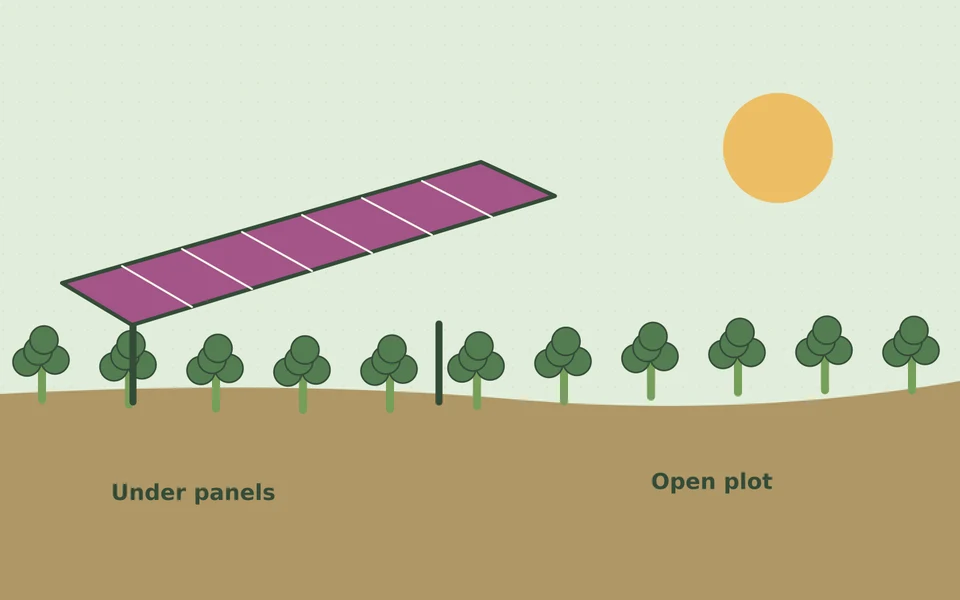
A Swedish field trial shared sunlight between crops and electricity generation. Its most important measurement for a grower may be the extra time the broccoli occupied the ground.
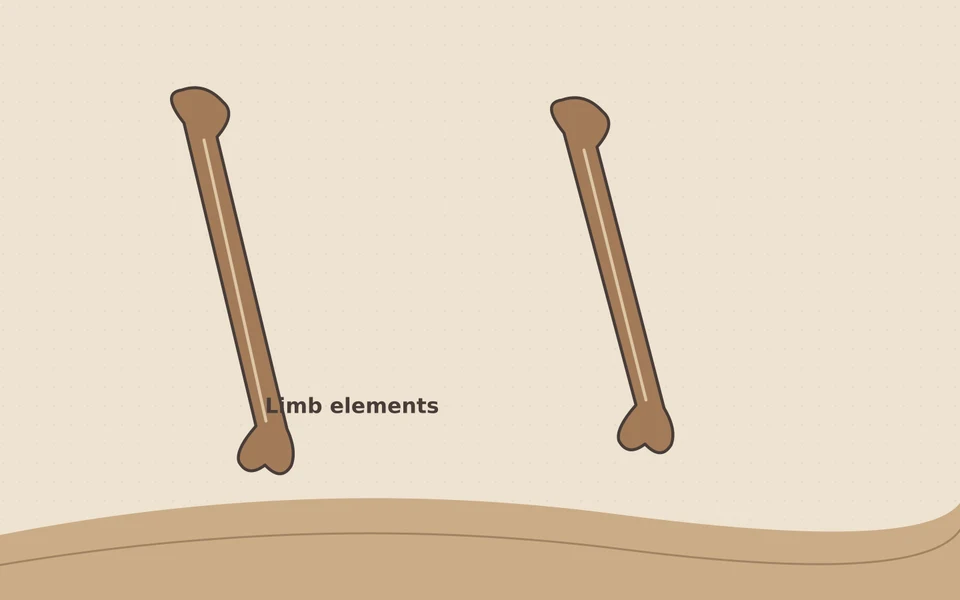
A former museum curator noticed bones unlike the fish remains around them near Richmond. The find has given a name to only the second Cretaceous bird formally described from Australia.
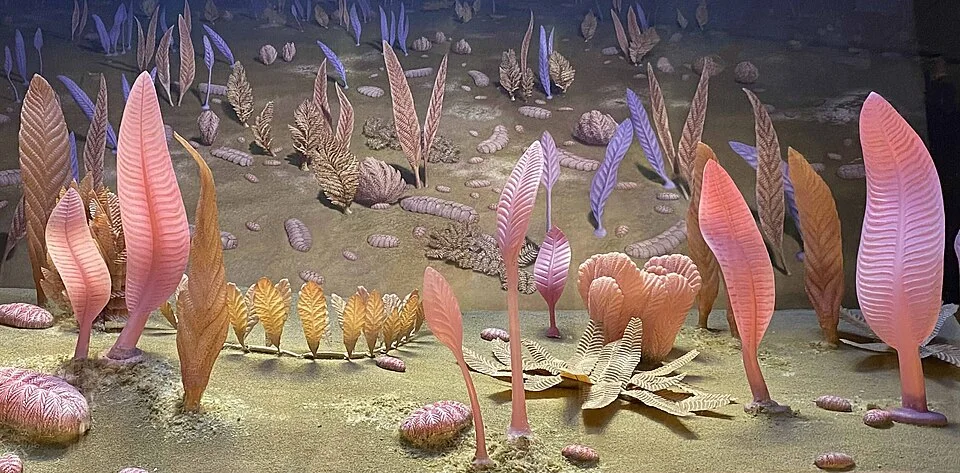
A comparison of fossil deposits in China and Mongolia calls into question a familiar limit on the animal family tree. Revised estimates move animal origins much deeper into the past.
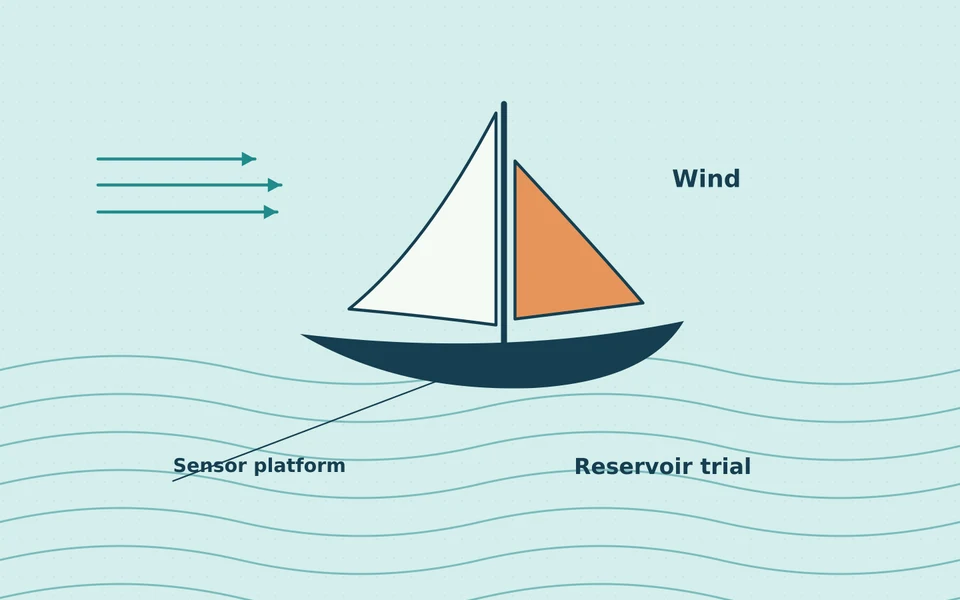
SUTD researchers tested a wind-driven sensor platform that can reach water from the air. Its reservoir trial offers a measured starting point for a much harder question about monitoring remote seas.
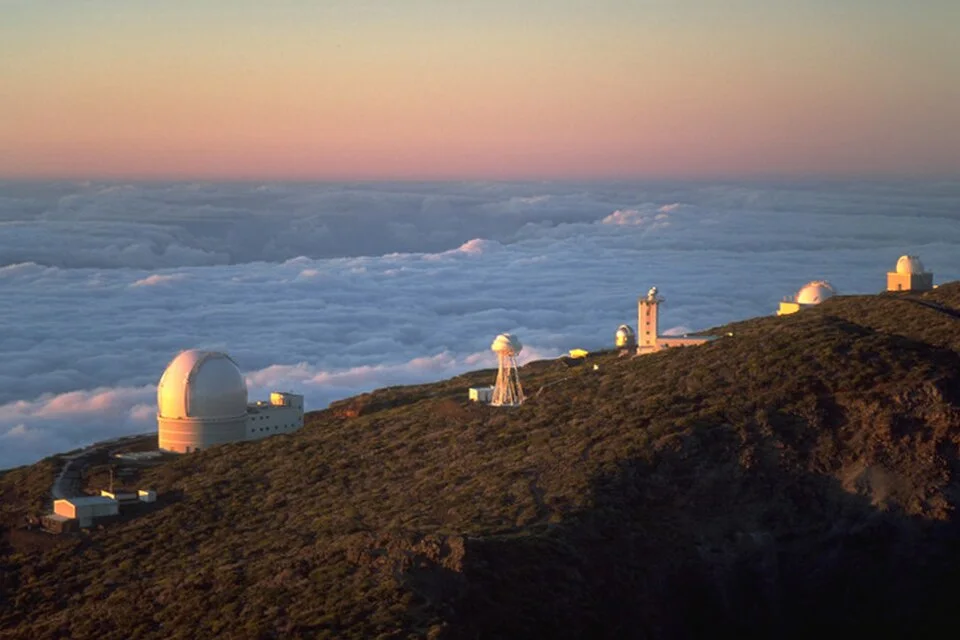
The observatory’s public explanation for declining Spain’s offer separates the quality of La Palma’s site from the difficulty of a multinational commitment.
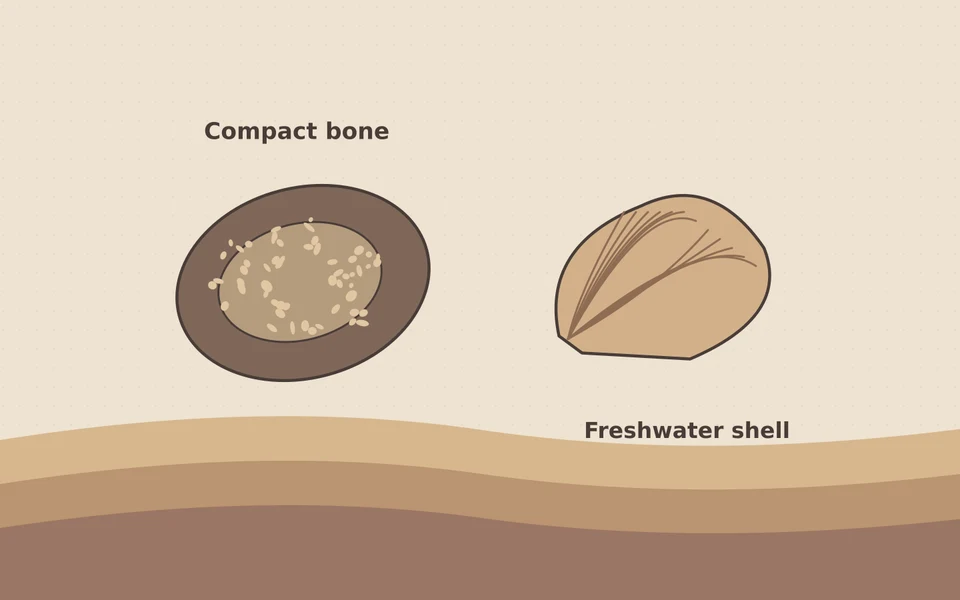
A fossil from Provence combines land-like limbs with the internal ballast of a shallow-water animal. The surrounding fossils help explain where this unusual mosasaur lived.
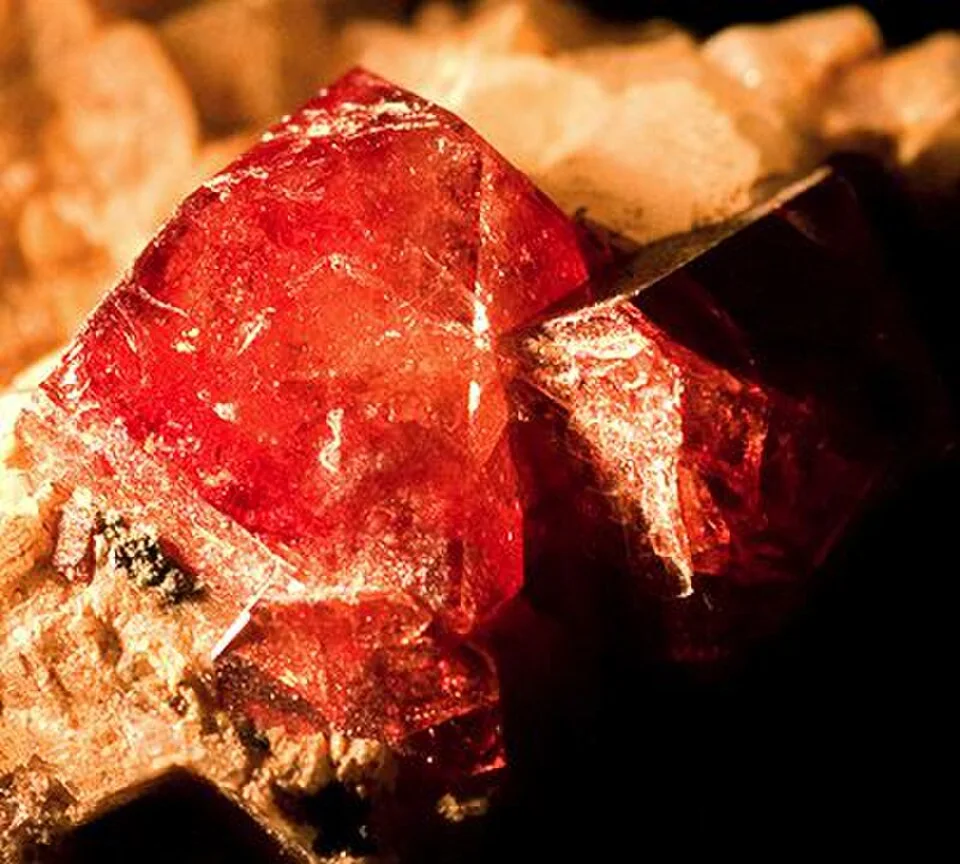
Zircon crystals place the buried Ames impact structure around 370 million years ago. Reworking older rock can leave an accurate fossil clock telling the time of a different event.
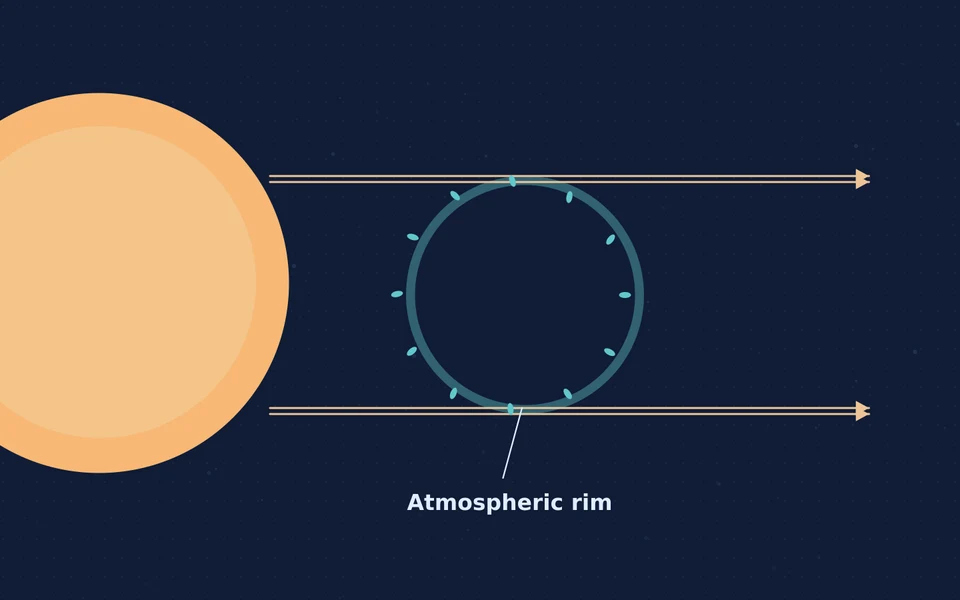
Light from a small star carried the signatures of four molecules in HATS-6 b’s atmosphere. The same observations left astronomers with competing estimates of the planet’s temperature.
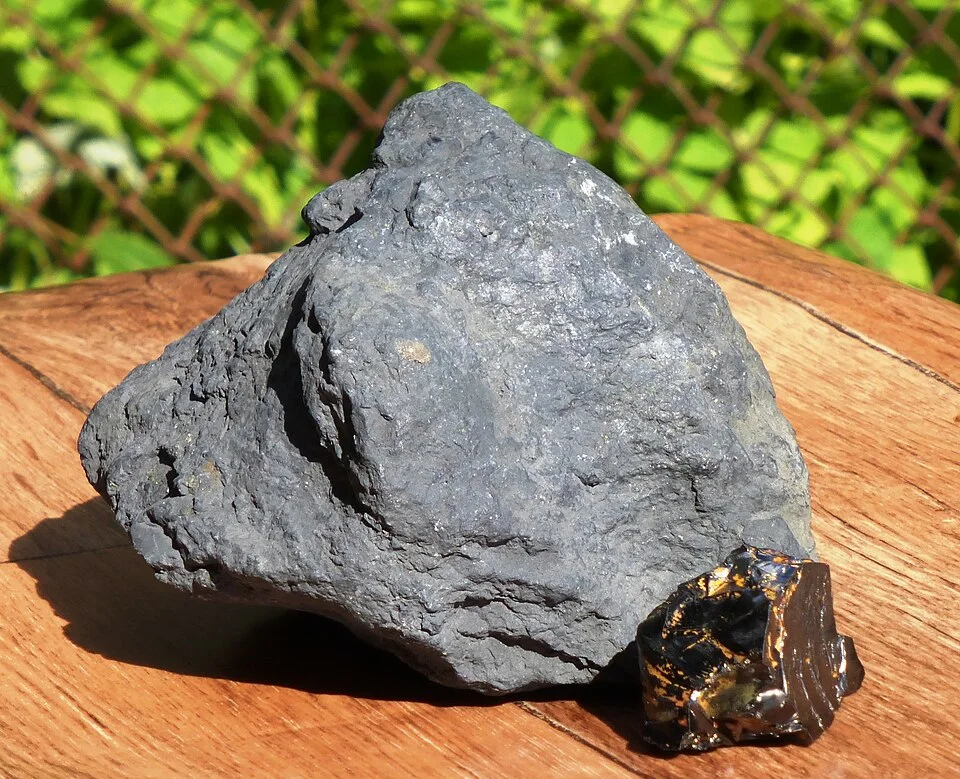
Gases trapped in ancient Karelian rocks give scientists another explanation for an unusual carbon signal. The result changes how much weight one site can bear in a history of Earth’s atmosphere.
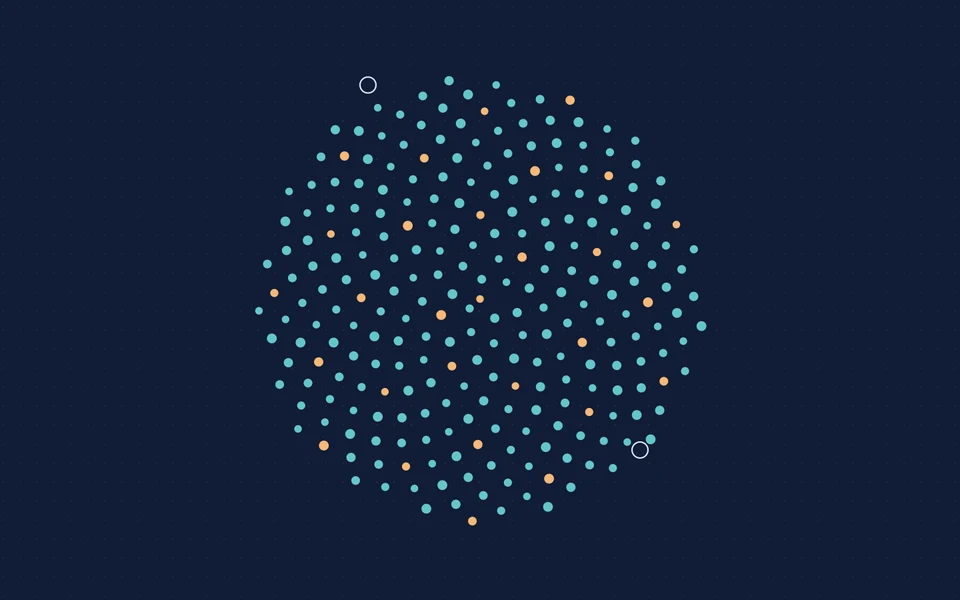
Engineers tested an elegant way to space the antennas in an SKA-Low station. A dip in sensitivity directly overhead showed why a full prototype still matters when the simulation looks promising.
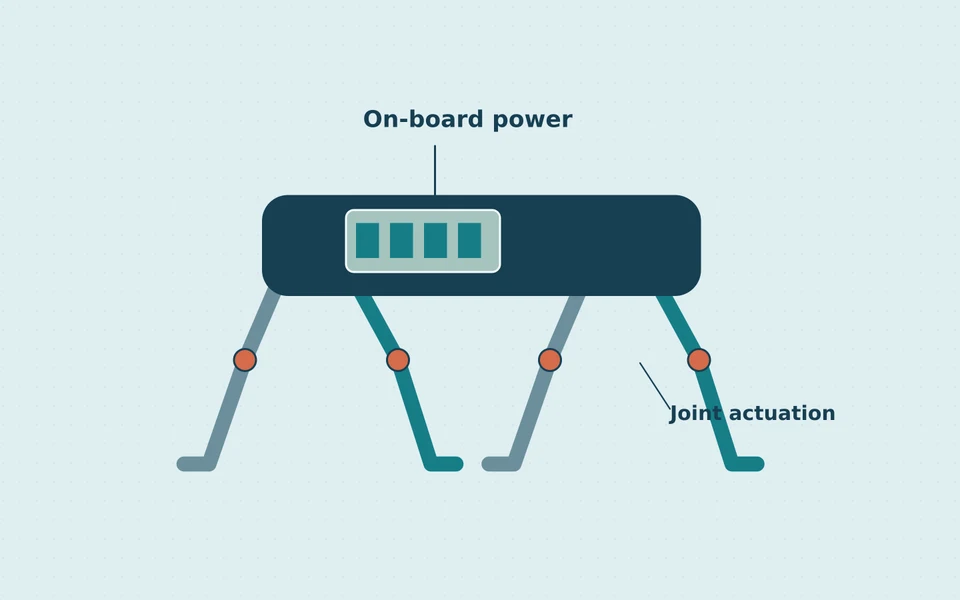
A Nature paper explains how a four-legged machine completed the Sangju course on one charge. The finish time matters less than what four hours on real roads taught its engineers.
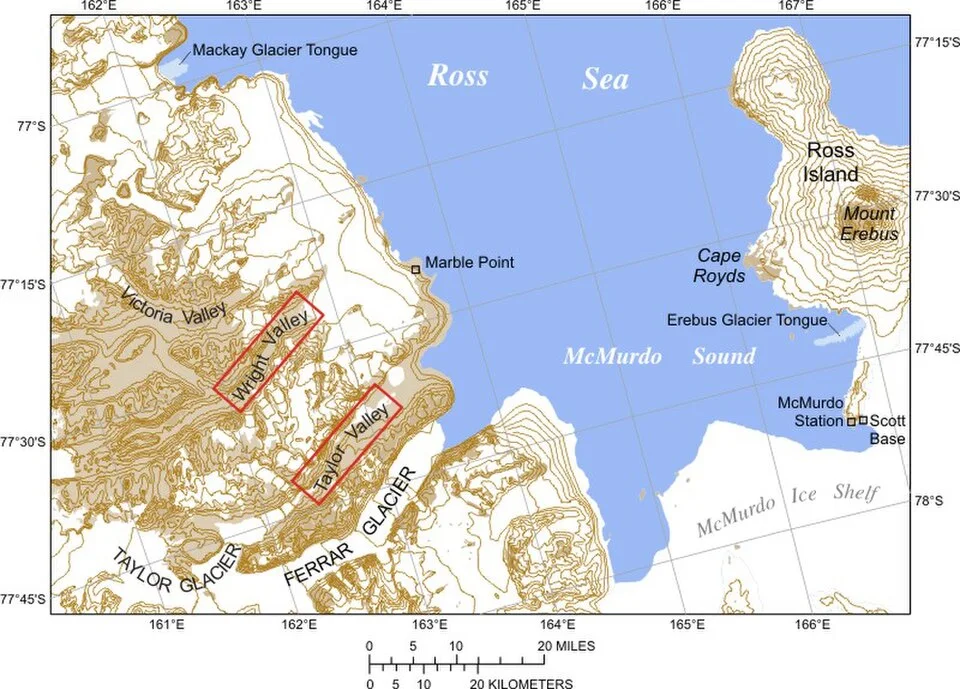
A new preprint combines satellite measurements with weather records to investigate winter openings in McMurdo Sound. It traces a route from distant storms to the winds pressing on ice near shore.
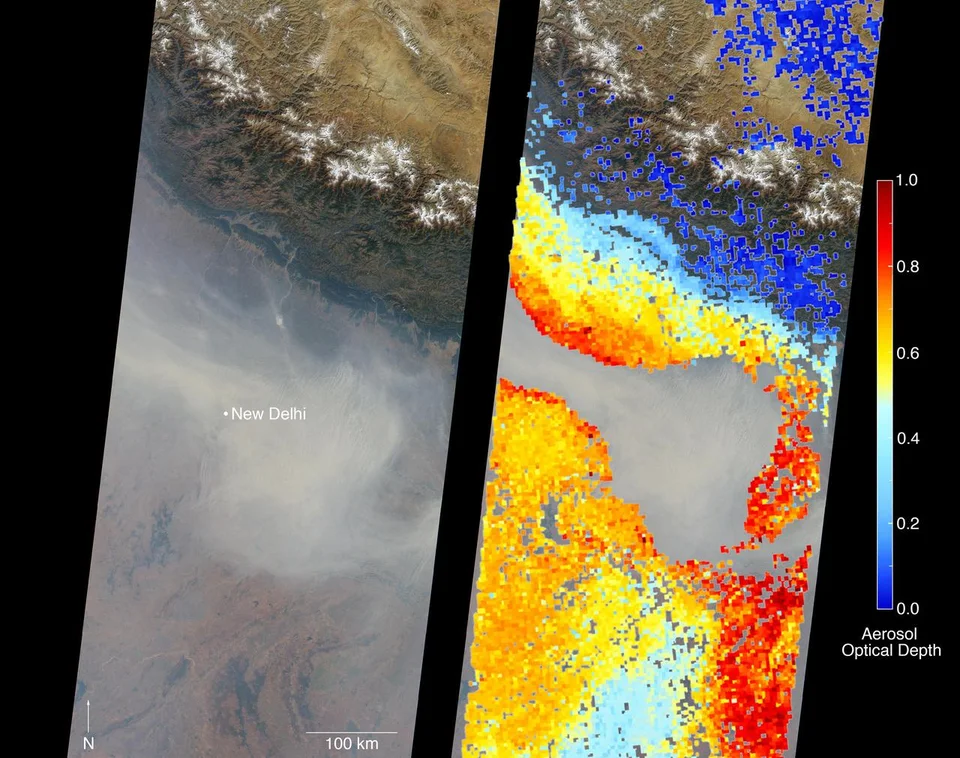
A study using satellite and ground observations estimated how much warming was masked over India between 2001 and 2024. The difference turns on what happened to incoming sunlight.
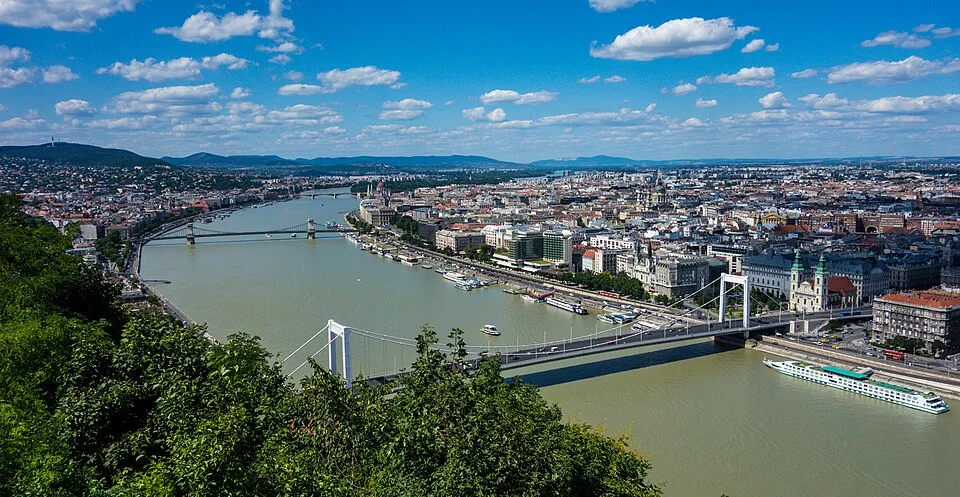
ESA’s Earth observation lab wants collaborators for a virtual constellation. Its first planned demonstration will use flood monitoring on the Danube and the French river network to test whether different sensors can coordinate.
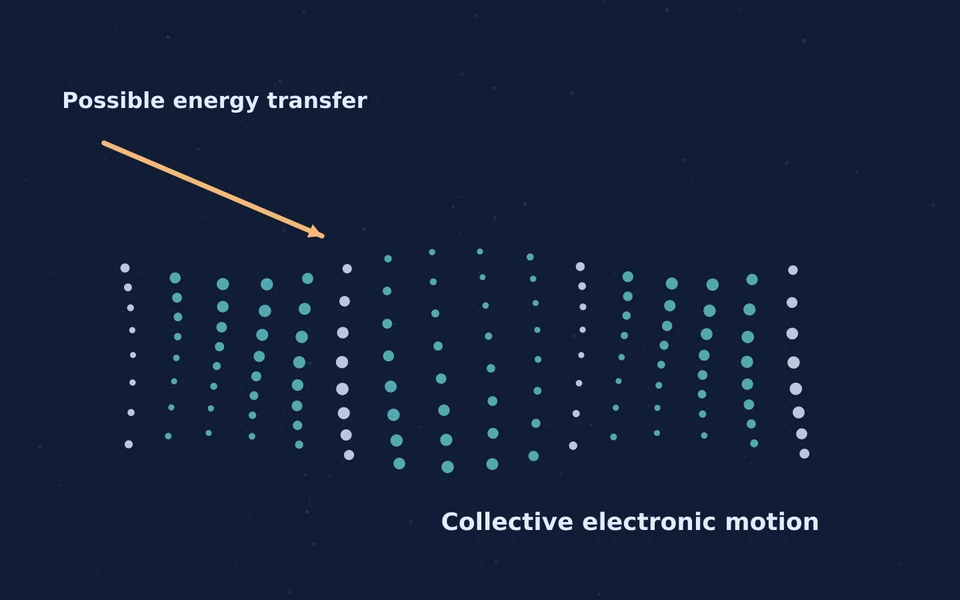
Calculations point to three unusual materials that might respond to very light dark matter. The work predicts sensitivity under specific assumptions and leaves the experimental test ahead.
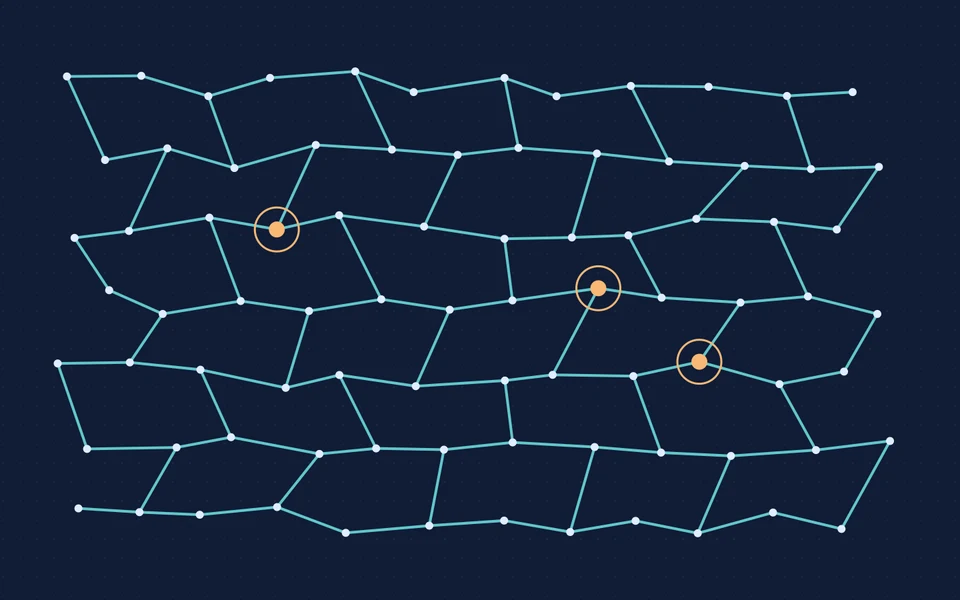
A computational study at IIT Gandhinagar found that irregular carbon rings can offer promising sites for a hydrogen-producing reaction. The next question is how the material behaves away from a computer.
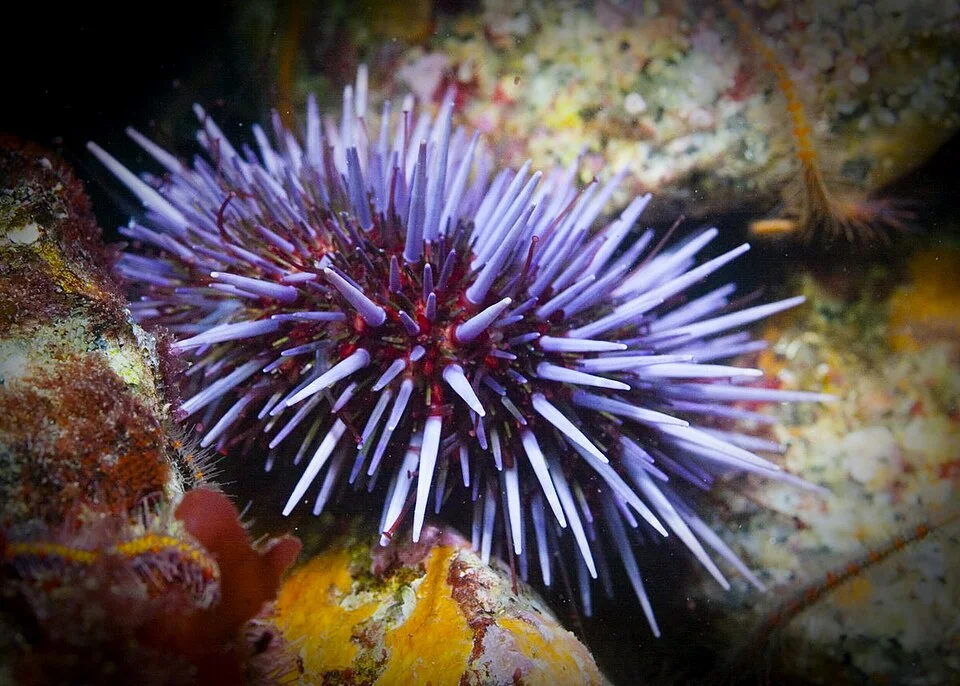
A UC Santa Cruz team is diving weekly in Monterey Bay as the ocean warms. Detached pieces of kelp may help explain why one patch of forest survives while another becomes bare.
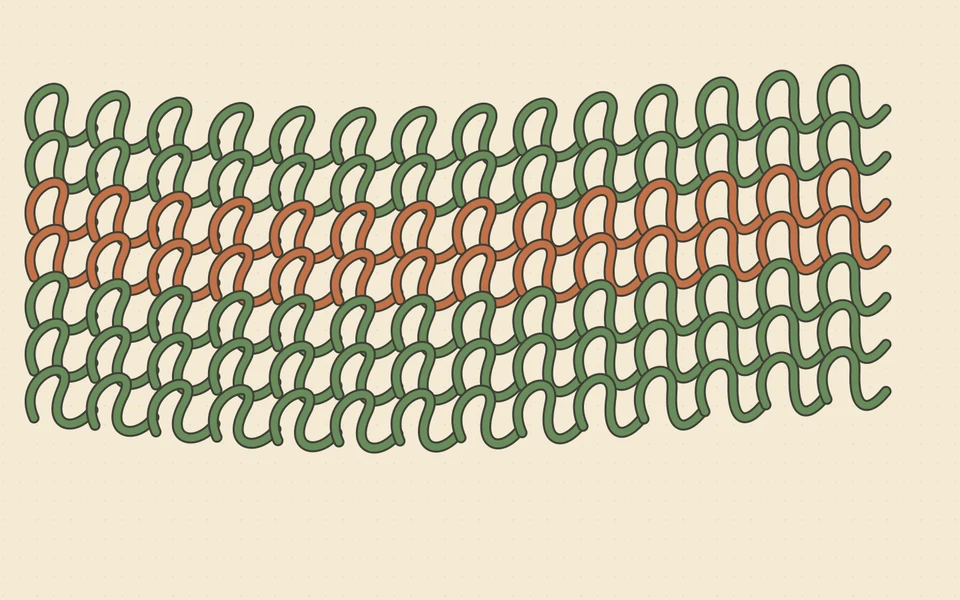
A new fellowship at Rice University asks whether yarns, stitches and air channels can do jobs usually assigned to parts attached after manufacture. Its mobility applications are still at the research stage.
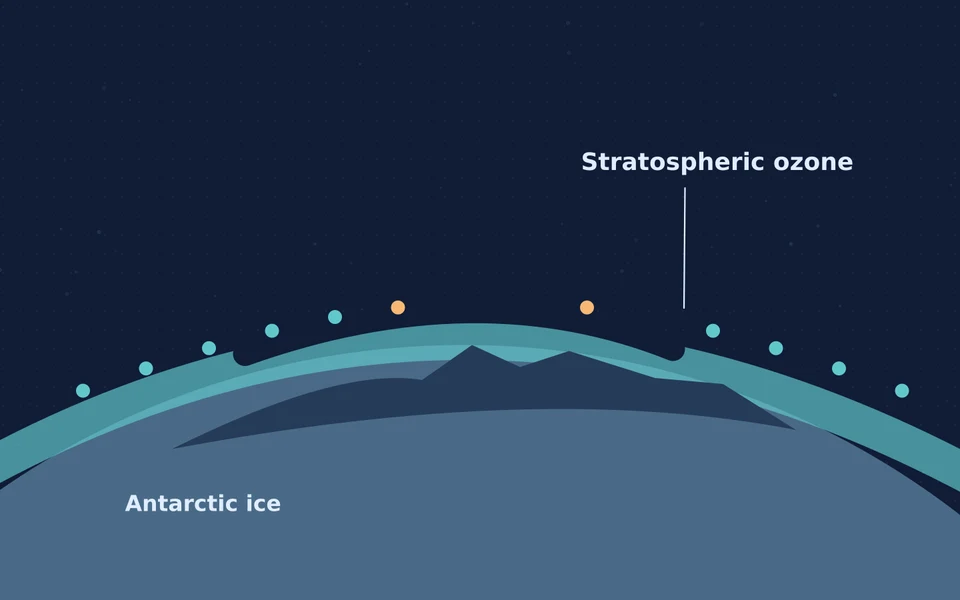
Two reports on 16 September describe different moments. The World Meteorological Organization reviewed a mild 2025 season, while Copernicus measured a larger-than-average hole in the opening weeks of 2026.
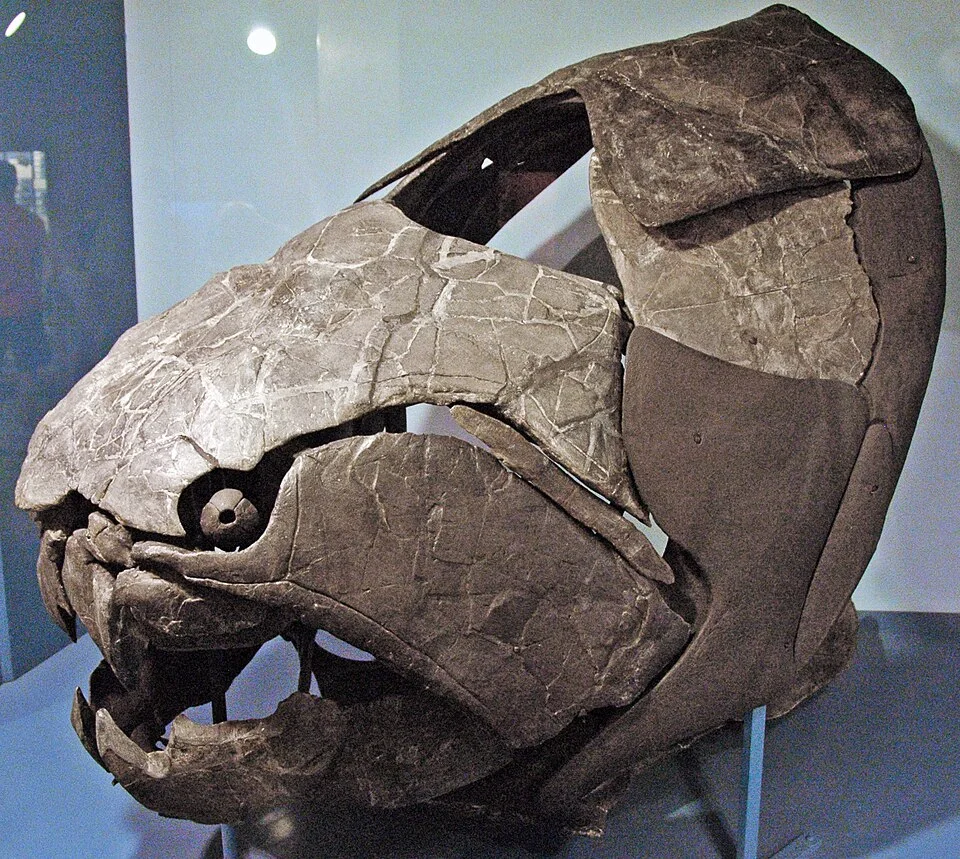
Simulations of eight species on a vanished Australian reef suggest two different ways to tackle hard prey. The size of a meal relative to the mouth may explain why some fish crushed while others first broke a shell apart.
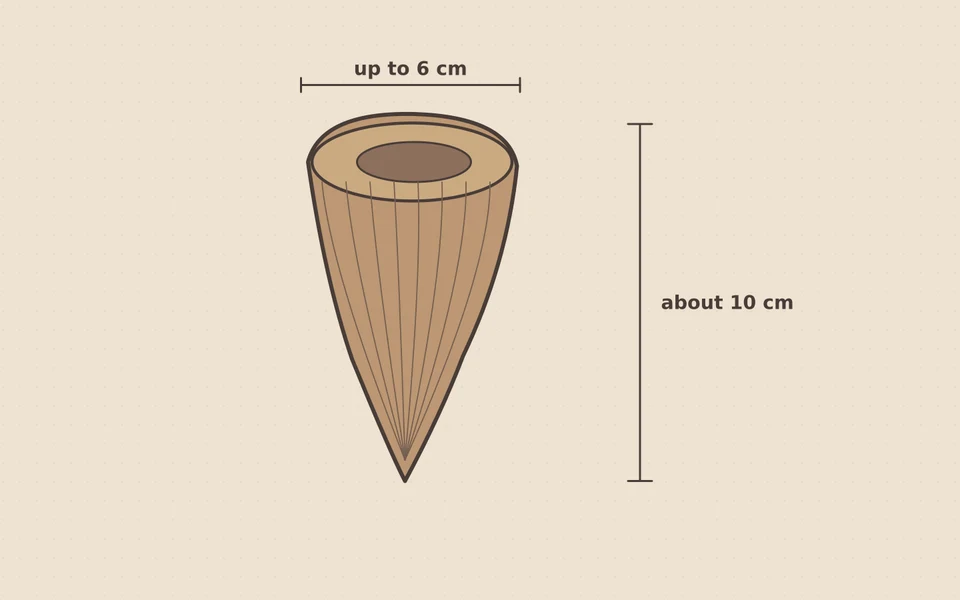
The new belemnite Wyoteuthis linsterorum is known from two internal skeletal pieces. Their exceptional width is directly measurable, while the animal’s full length has to be reconstructed.
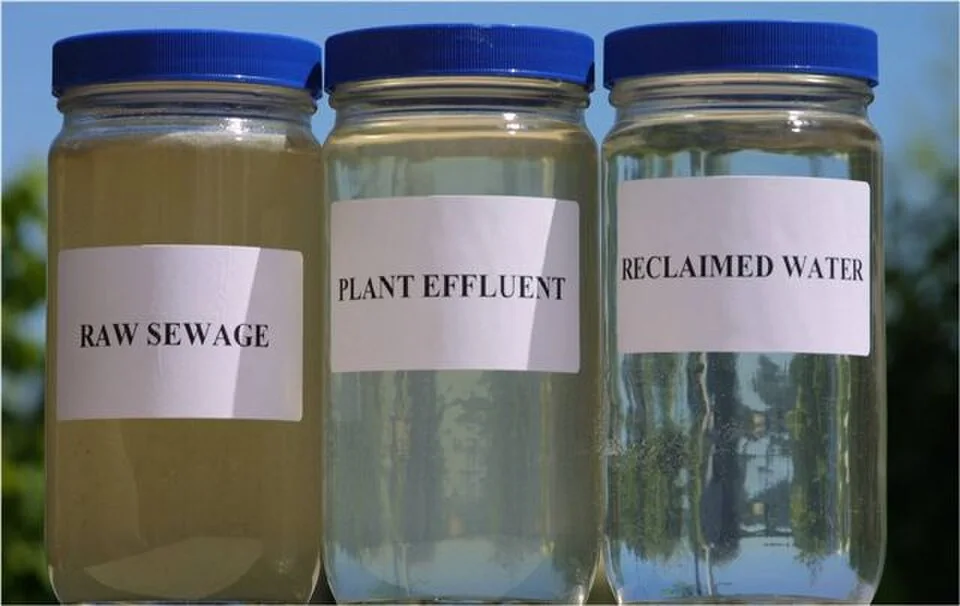
A regional Australian council and a wind developer have built a plant capable of processing 700 million litres a year. Dust control and concrete making are among the proposed uses.