- The Nobel Assembly recognised discoveries concerning light-gated ion channels and optogenetics on 5 October.
- Hegemann and Nagel identified a light-sensitive channel in an alga. Deisseroth demonstrated how it could help researchers study nerve activity.
- The research method allows investigators to ask whether activity in particular cells contributes to an observed response.
Inside this story 2 perspectives
The starting question was how an organism with only one cell manages to swim towards a light. The eventual prize is for a way to ask questions about a very different collection of cells, the living brain. On 5 October the Nobel Assembly at Karolinska Institutet awarded the 2026 Nobel Prize in Physiology or Medicine to Karl Deisseroth, Peter Hegemann and Georg Nagel for discoveries concerning light-gated ion channels and optogenetics.
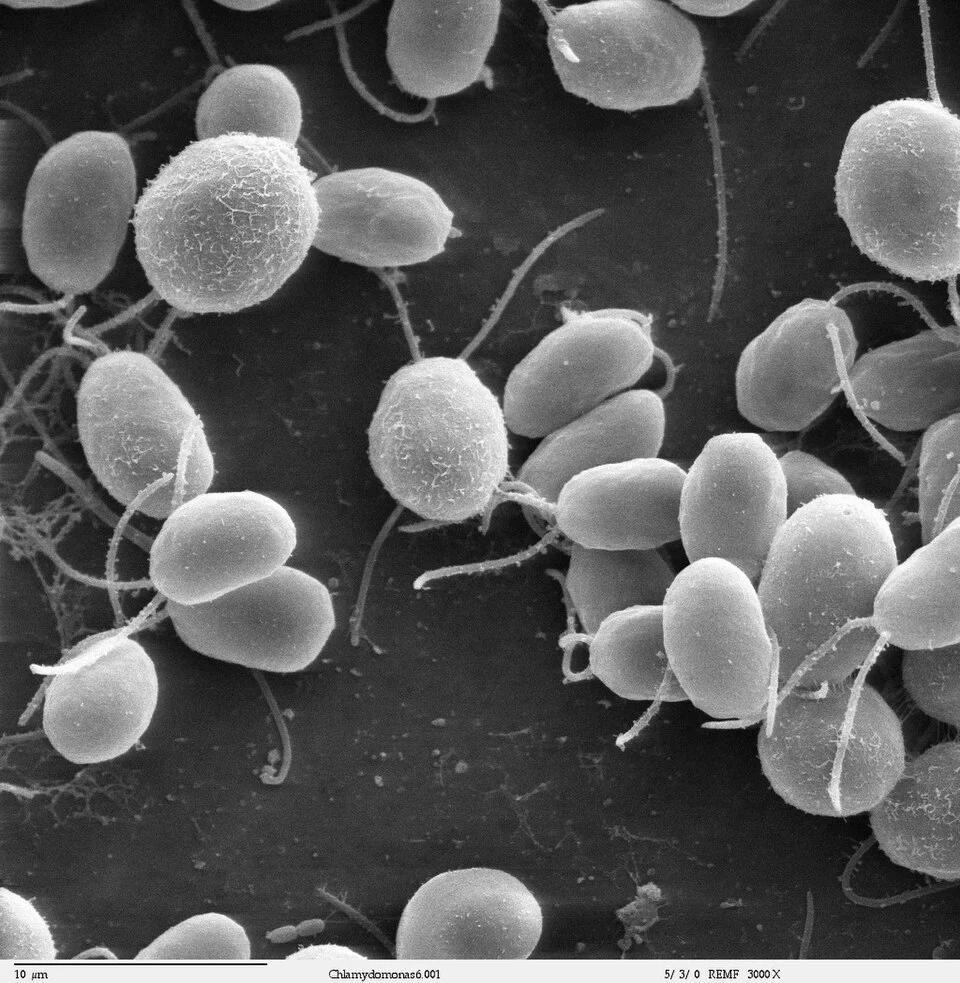
The small organism was Chlamydomonas, an alga. Hegemann wanted to understand its response to illumination. Work with Nagel identified a protein called channelrhodopsin at the cell surface. Light can open a passage through the protein, allowing electrically charged particles to move across the cell membrane. The response joined two events that are easy to imagine separately, light arriving and a cell’s electrical state changing, in a single molecule.
Watching a signal and asking what it does
Consider the difficulty of interpreting a recording from the brain. A group of nerve cells becomes active when an animal moves. The activity might help start the movement, accompany a signal coming from somewhere else or reflect information returning as the animal moves. Recording the timing more accurately is valuable. It still leaves the scientist asking which part of the sequence influenced the others.
The discovery in the alga suggested a way to change one part of such a sequence with light. Deisseroth showed that a light-sensitive channel could be used to trigger activity in nerve cells, with a demonstration published in 2005. By 2007 the work extended to the brains of living mice. Researchers could compare what happened when a particular population of cells was active with what happened under comparison conditions. This made certain questions about cause and effect much easier to frame.
Why the timing matters
A brain circuit changes during an experiment. The same cells can participate at different moments in an animal’s experience. A way of studying their contribution at a chosen time gives the researcher an additional distinction to test. A population involved while a memory forms may play a different part while the animal is retrieving it. A finding in either setting still depends on the task, the cells and how the researchers interpret their observations.
The Nobel announcement points to uses in research on memory, feelings and behaviour. Those are broad areas of inquiry, each containing many circuits and many unanswered questions. The particular achievement celebrated today is the quality of the question that a new tool permits. An investigation of how a green alga finds light gave neuroscientists a means of asking what happens if one part of a living circuit changes at a particular moment.