- University of Texas researchers described the age revision publicly on 28 September.
- Zircons in the impacted rock place the event in the Late Devonian, about 100 million years later than previously thought.
- The revised date overlaps a mass extinction interval. The timing alone cannot establish a causal link.
Inside this story 2 perspectives
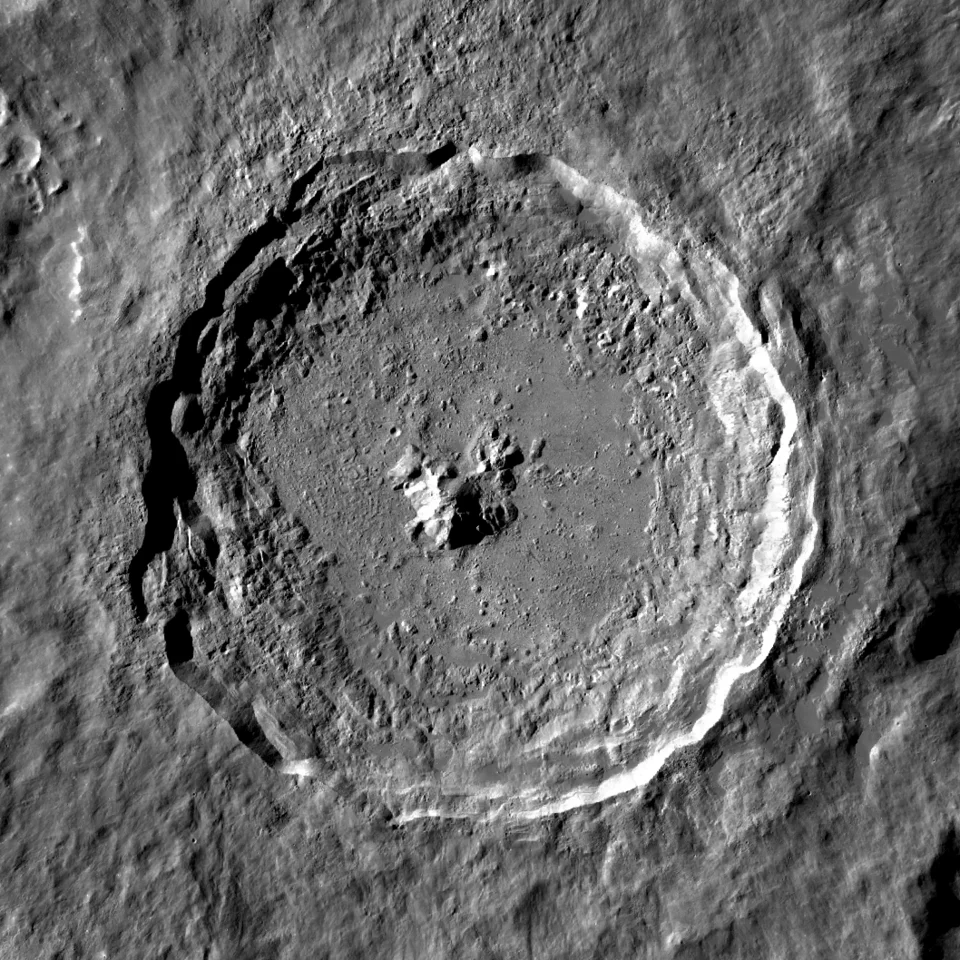
The impact crater under Ames, Oklahoma, holds two kinds of timekeeper. The remains of an ancient animal place some of its material in the Ordovician period. Tiny crystals in granite that bore the force of the impact tell a much younger story. A University of Texas at Austin account released on 28 September explains why researchers now put the collision at about 370 million years ago, nearly 100 million years later than the date long assigned to it.
Ames is buried beneath layers of sediment. People have a modern reason to know about the structure below the town because the area produces oil and gas. Its place on a map of prehistoric impacts, however, rested partly on fossil material found in the crater fill. Preserved tooth-like elements came from ancient eel-like animals known as conodonts. Their age helped put the structure among a group of North American impacts thought to cluster around 467 million years ago.
What exactly did the clock record?
A fossil can give a sound indication of when an organism lived. Establishing when that fossil reached its present position is another task. Researchers suggest the impact at Ames disturbed rocks that already contained much older conodont remains. Material from those rocks could end up in the crater after the collision. No change to the fossil's own age is required for the age assigned to the impact to change substantially.
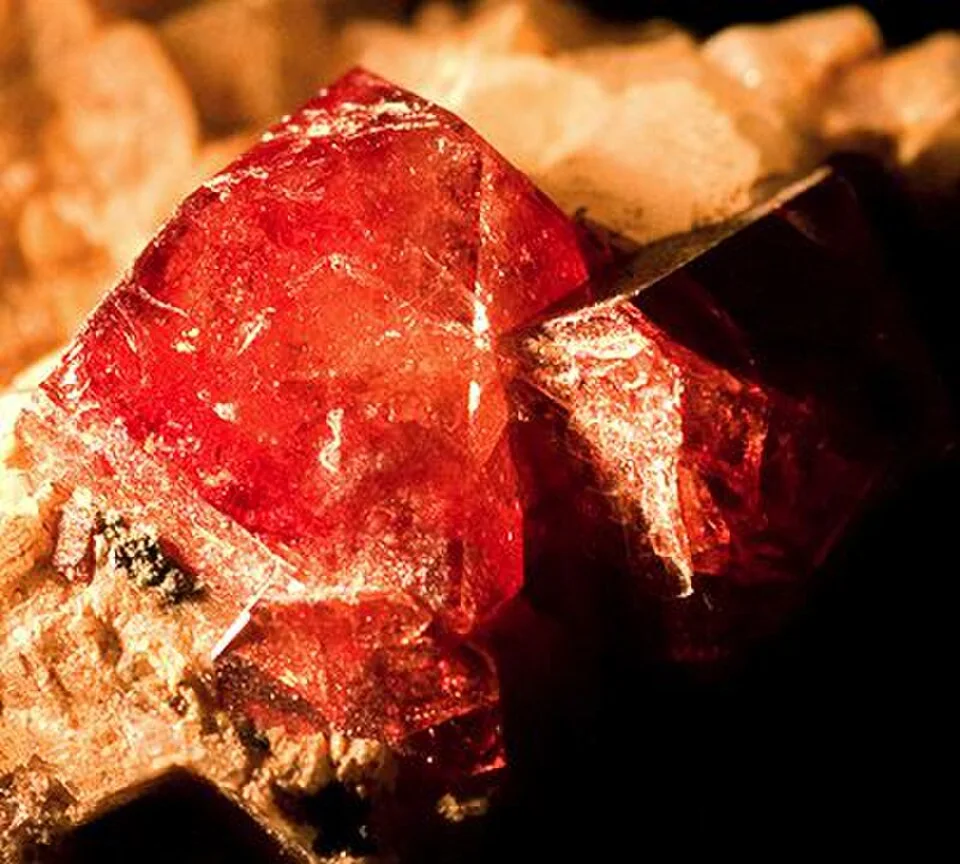
The team, led by geoscientist Elizabeth Catlos, studied zircon crystals in the affected rocks. The measured relationship between uranium and lead in zircon can preserve evidence of when material formed or was altered. The challenge was to identify a part of a grain that actually experienced the impact. With NASA collaborators the team imaged the crystals to examine their internal structure and look for the characteristic changes produced under shock.
A different set of neighbours
The younger dates move Ames away from a proposed episode of frequent impacts during the Ordovician. That narrows the evidence available to researchers asking what caused the earlier cluster. It also places the Oklahoma event close in time to the Frasnian–Famennian mass extinction, a Late Devonian interval when many forms of marine life disappeared. The study was published in July in Meteoritics & Planetary Science.
Matching the age of a crater to an interval of biological change gives scientists a question to investigate. It takes further evidence to connect the physical effects of one collision to losses recorded in distant environments. The most immediate result from Ames concerns the order of events. Ancient marine animals left their remains, rock formed around them, and a much later collision redistributed some of that material. The fossils had kept the time of the first part of the story all along.