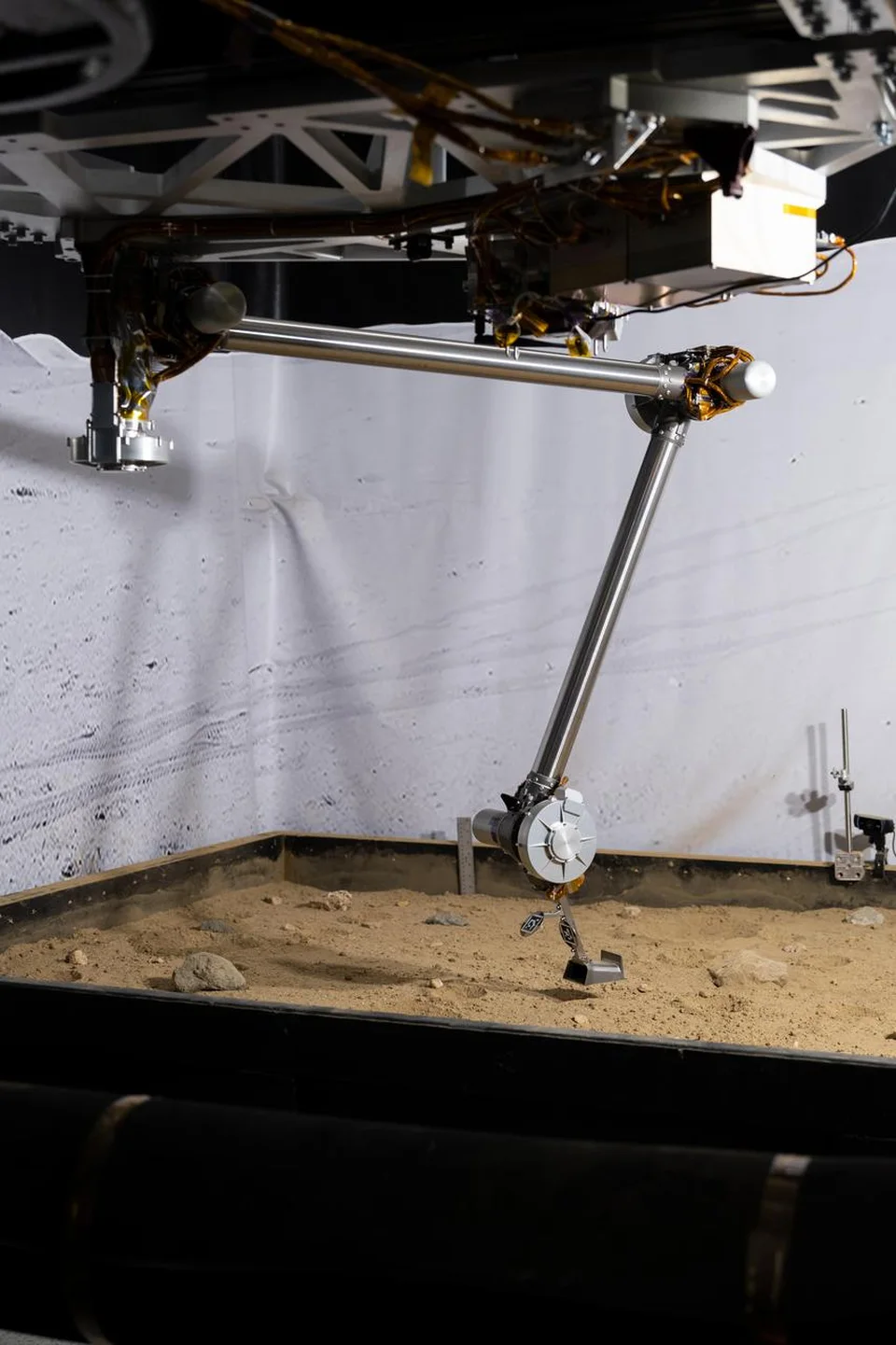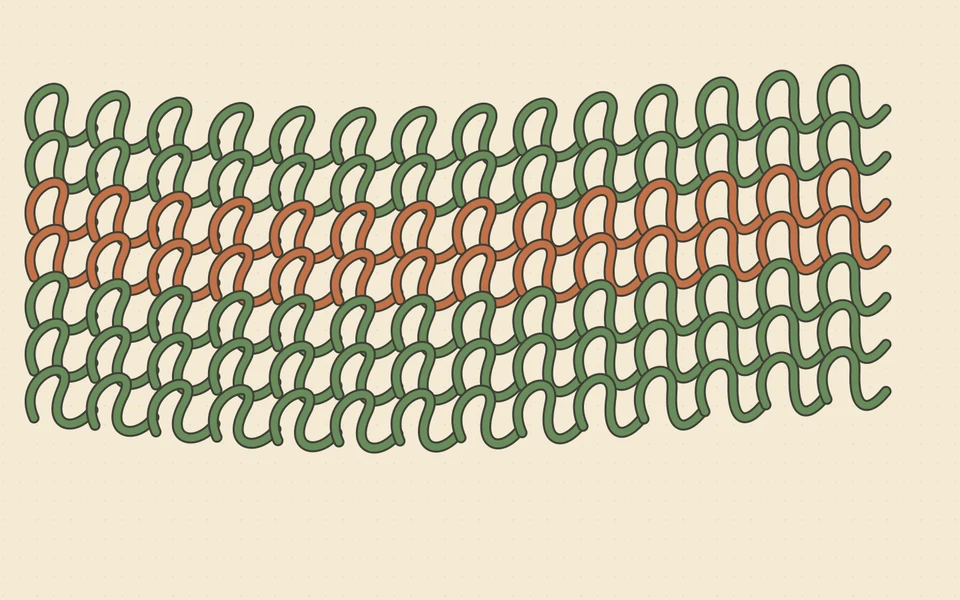
- Rice engineer Vanessa Sanchez received a Toyota Programmable System Innovation Fellowship.
- Her team aims to integrate sensing and motion into three-dimensional knitted structures.
- A wearable aid or a seat that changes shape is a possible future prototype. The award funds the research needed to explore it.
Inside this story 2 perspectives
Look at the cuff and the body of a knitted jumper. Both can come from much the same yarn and still stretch quite differently. Vanessa Sanchez, a mechanical engineer at Rice University, is interested in how much further that idea can go. Could a textile’s construction determine where it bends, how it presses back and whether it can register the movement, all before anyone attaches a separate device?
On 16 September Rice announced that Sanchez had received a Toyota Programmable System Innovation Fellowship for work on three-dimensional knitted robotic textiles. The plan is to combine sensing, structure and movement in material made on a knitting machine. Among the proposed applications are a seat that adjusts to a passenger and a soft wearable that assists a movement. Those are goals for prototype work. The award gives the team an opportunity to test what the fabric can do first.
Designing what a stitch will do
An ordinary fabric already performs several mechanical tasks. It spreads a load, fits around a curve and folds in some directions more readily than others. Attaching a rigid sensor to such a surface can change the very behaviour a designer hopes to measure. Adding a separate actuator, the component that creates movement, introduces another attachment and more material between the device and its user.
Sanchez’s group wants to choose the yarn, stitch pattern and arrangement of layers together. A channel incorporated into a knitted structure could change shape when filled with air. Conductive fibres could help a sensing element detect deformation. If the structure bends in a predictable way in response to a controllable input, the knitting pattern has already done some of the work that a separate mechanism might otherwise have to do.
The team can draw on previous work on textile sensors and soft actuators. Bringing these functions together poses a further question. A sensor can respond when fabric stretches, but how does the system distinguish the stretch caused by its own movement from the stretch caused by the person wearing it? That distinction matters if the fabric is eventually to adjust how much assistance it provides.
The person on the other side of the cloth
A useful seat or garment must feel acceptable long after the demonstration ends. A structure that moves reliably on a bench will face different loads, sizes and points of contact when people use it. Comfort, repeatability and ease of making the same structure again are legitimate engineering questions alongside how far it can bend.
Sanchez studied fashion before moving into fibre science and robotics. The connection is evident in the question her research puts first. Understand what the yarn and the structure already allow a wearer to do, then decide which parts of a machine the fabric can sensibly take on.