Innovation
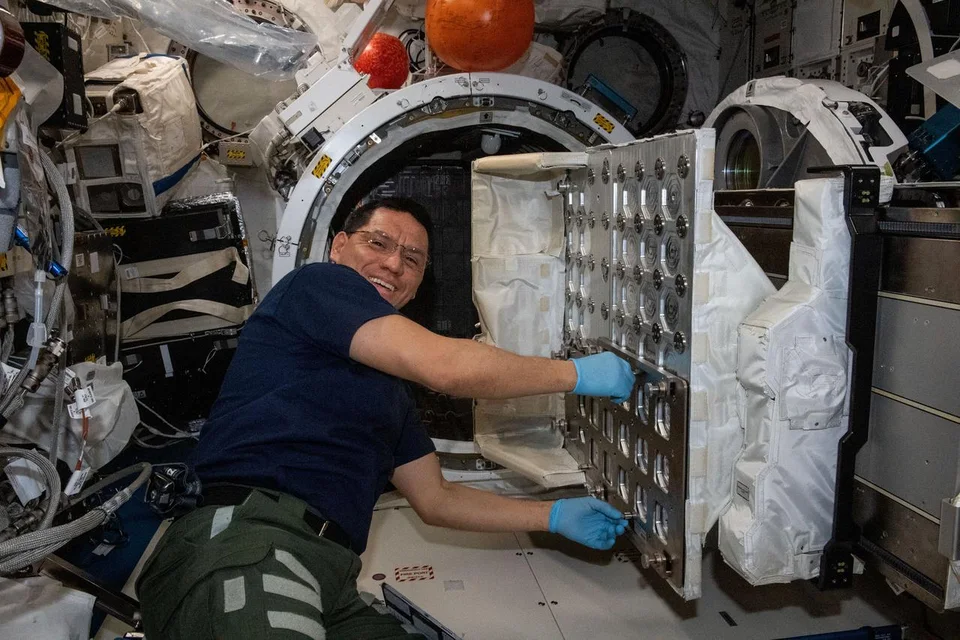
Google took AI into orbit. The harder test comes next.
Project Suncatcher has reported an early computing milestone in space. Turning a striking demonstration into dependable infrastructure is a different challenge.
Project Suncatcher has reported an early computing milestone in space. Turning a striking demonstration into dependable infrastructure is a different challenge.
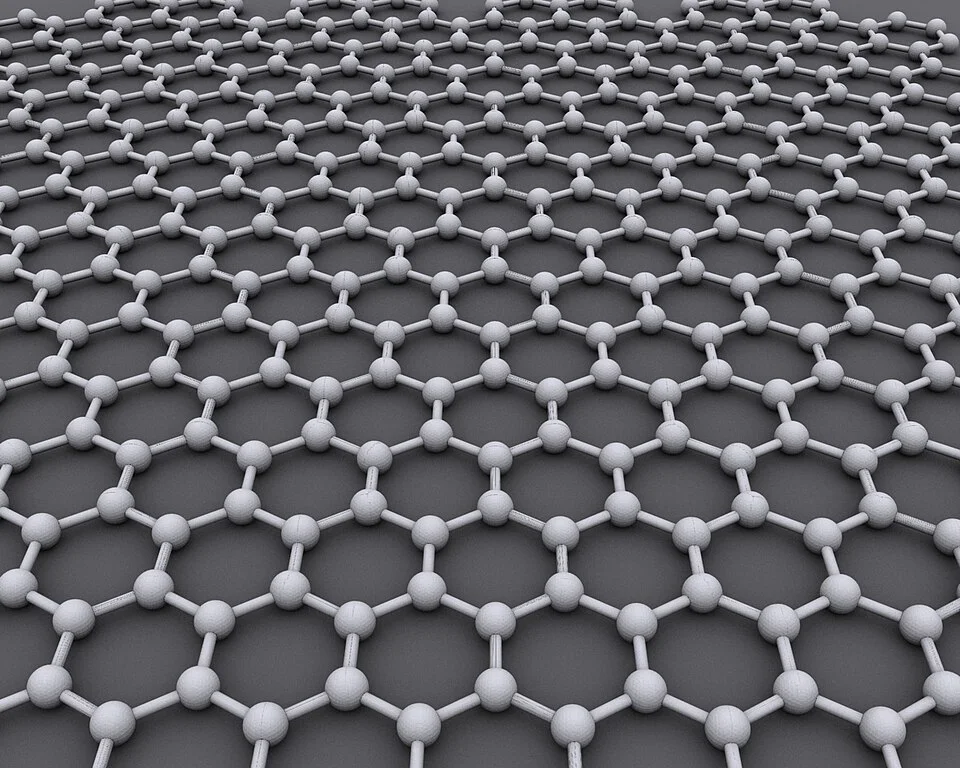
Researchers in Germany mapped changes in electron energy and momentum on a timescale that earlier measurements tended to average away. The result is a physics experiment with implications for future electronics.
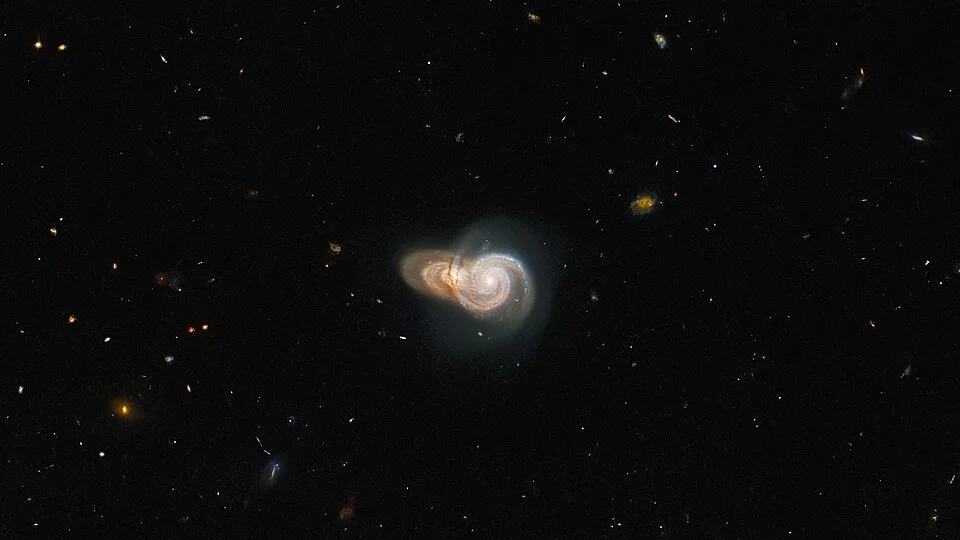
NASA’s latest round of citizen science selections includes Overlap Zoo, where volunteers examine rare pairs that happen to line up in the sky.
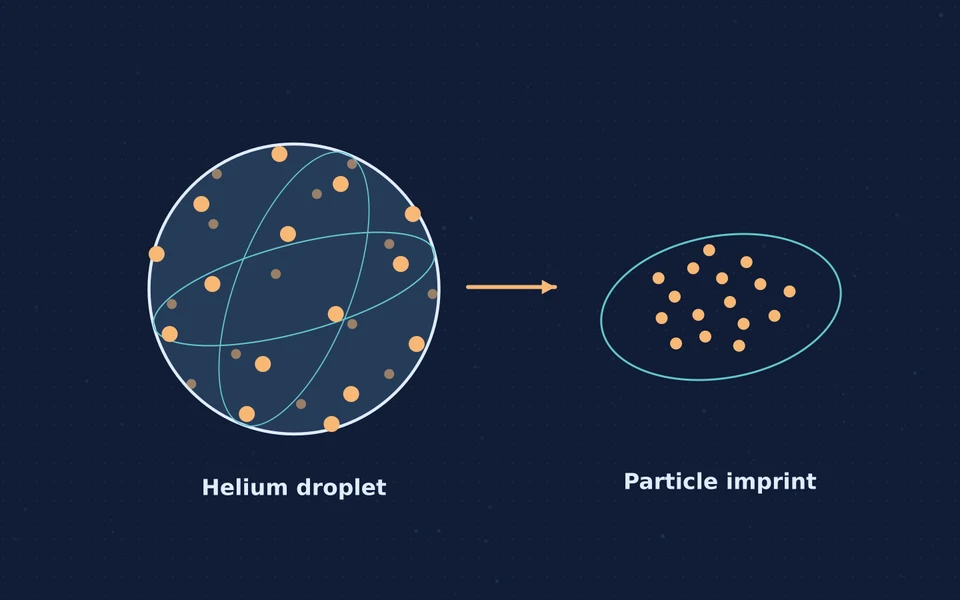
A team working in Austria and the UK used tiny helium droplets to observe how charges arrange themselves on a sphere. The evidence survives after the sphere itself disappears.
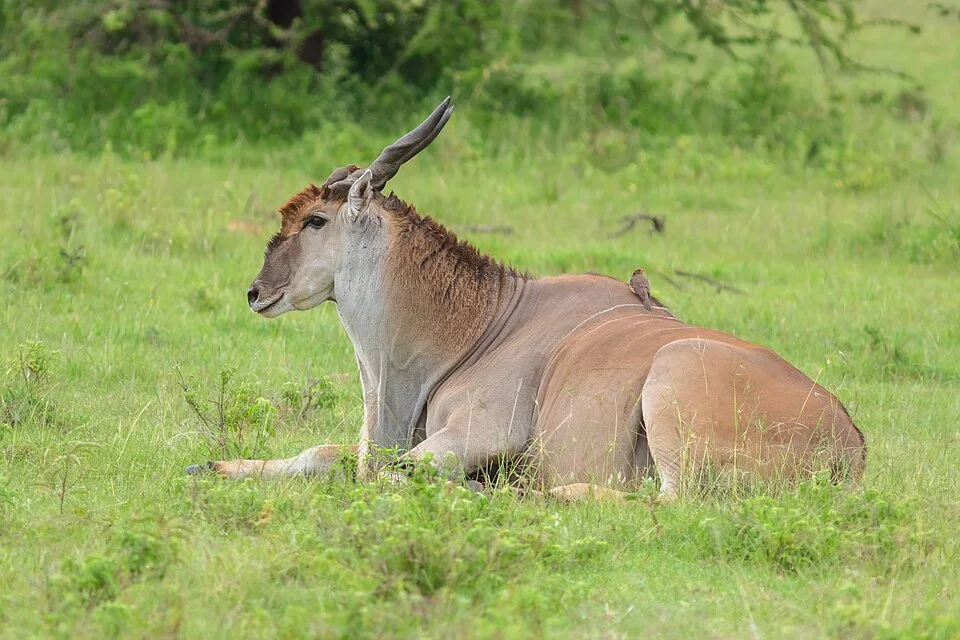
Eland collagen in ochre-rich sediment at the Klipdrift Complex connects an animal with a worked surface about 60,000 years old. How the two came together remains an open question.
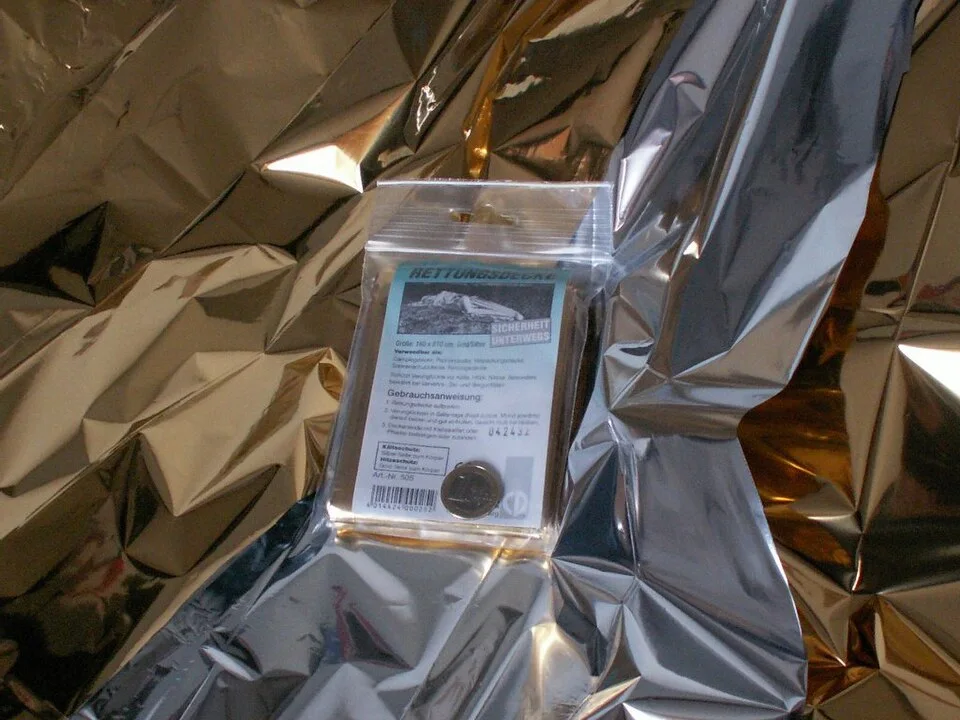
Penn researchers tested whether stacked sheets of Mylar can keep insulating under pressure. Their centimetre-scale samples leave an equally interesting challenge for anyone hoping to make a larger panel.
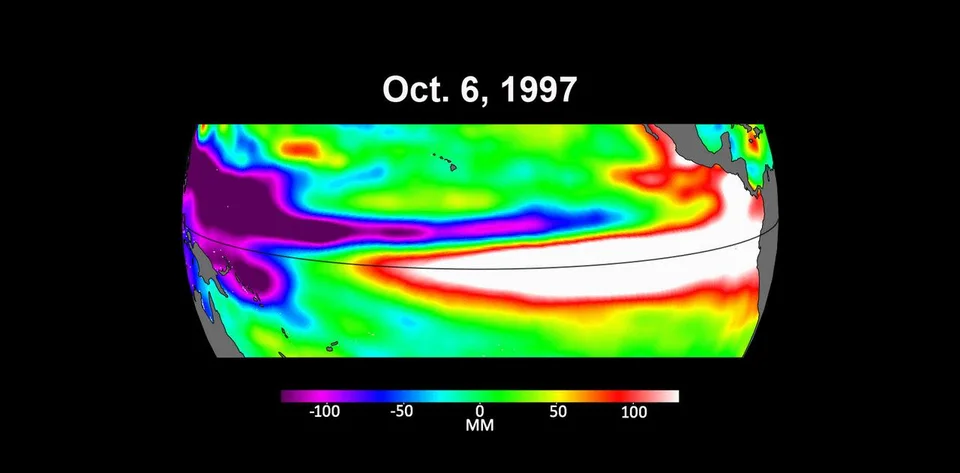
A comparison of more than 7,500 past forecasts suggests that the state of the tropical Pacific at the start can change how much confidence to place in the result.
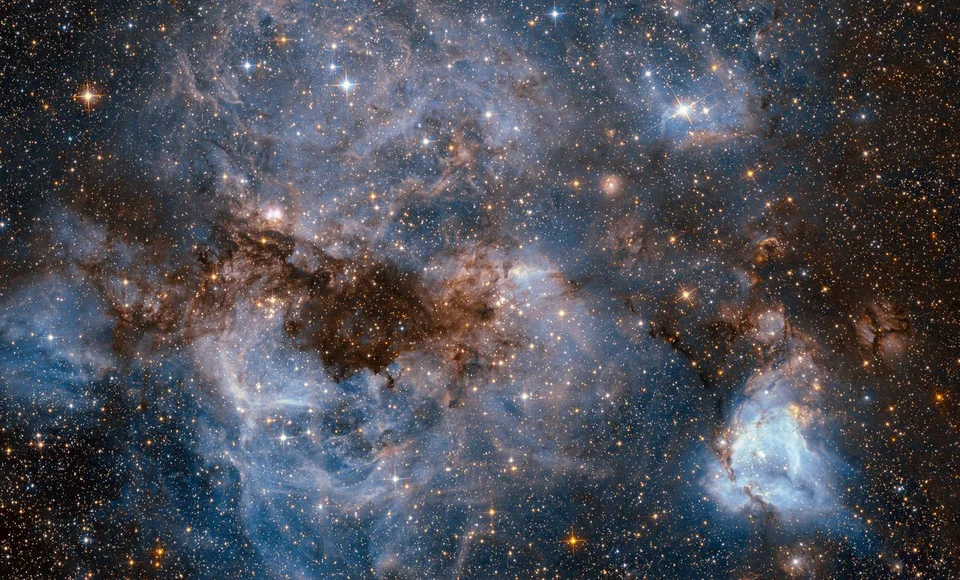
A new infrared image spans about 230 light-years in the Large Magellanic Cloud. Different parts of the picture show how massive stars both illuminate and reshape a stellar nursery.
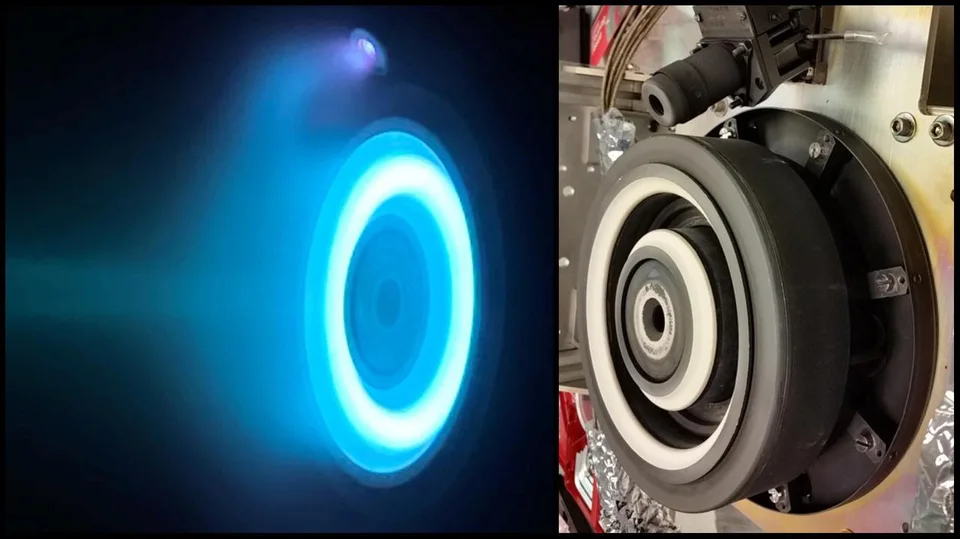
NASA’s October update explains how the spacecraft can run an engine for most of the journey while using just one of its four thrusters at a time.
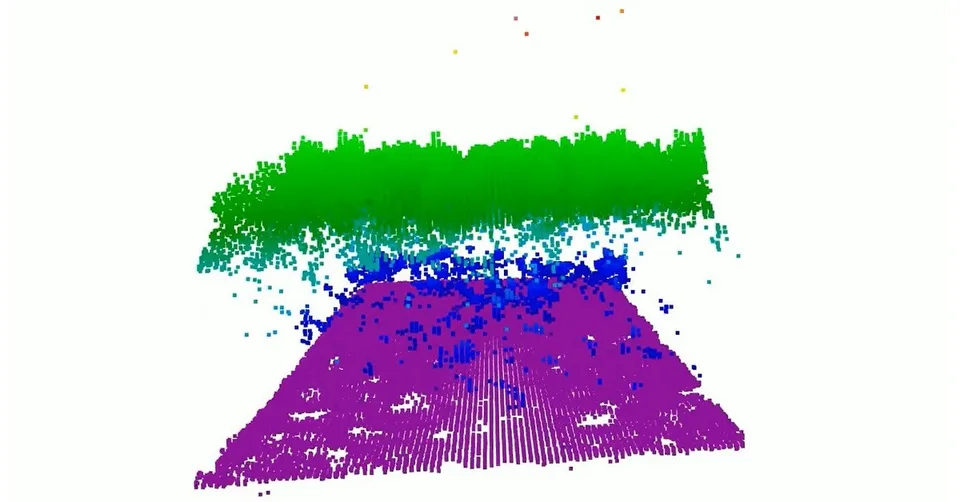
The airborne CASALS instrument fills gaps between narrow survey tracks. A patterned optical component sends successive pulses in different directions without a scanning mirror.
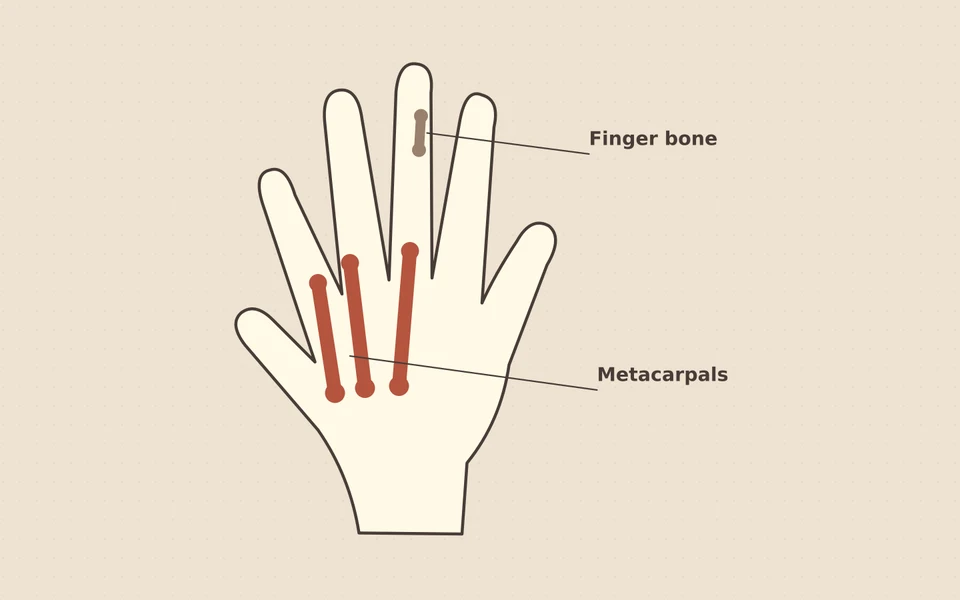
A hand from Abauntz Cave adds a person to a regional record that already contained tools. Direct dating and complementary analyses help establish who was present and when.
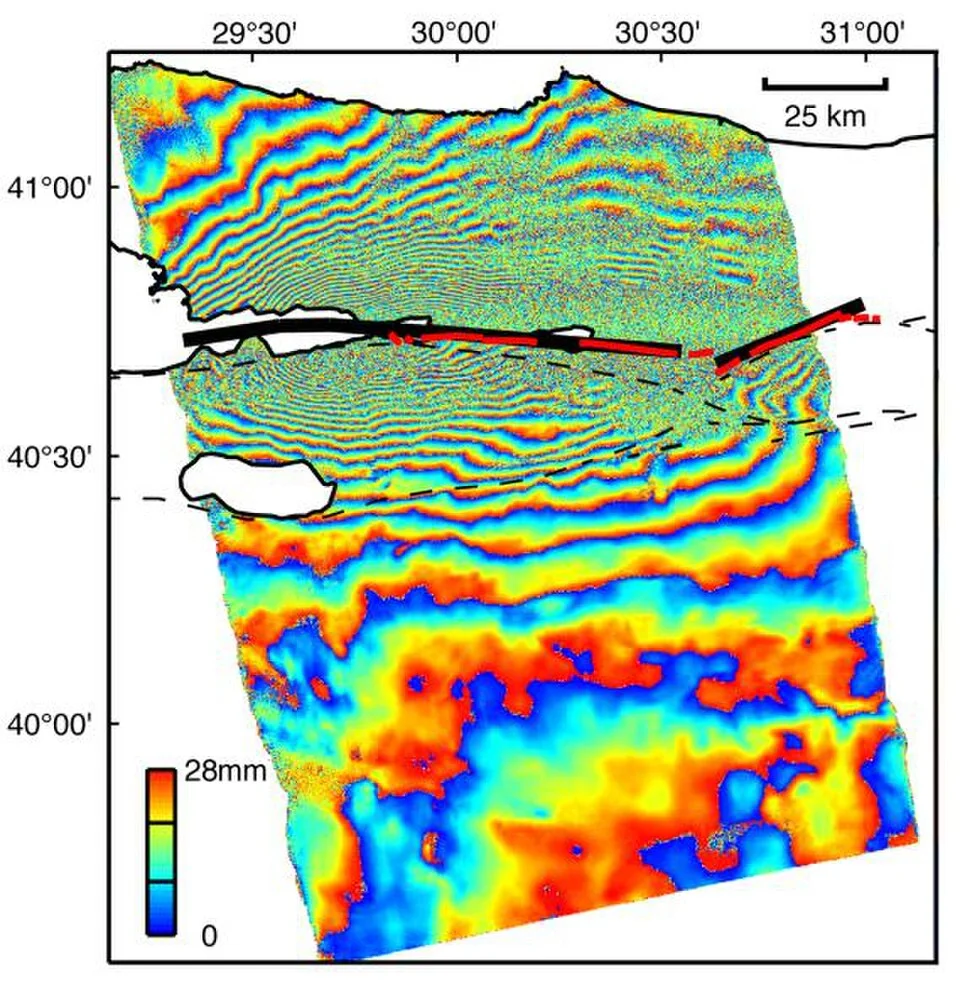
A study publicised on 19 October uses small changes at the surface to infer where groundwater can move more readily. Its result is a set of possible maps with different degrees of uncertainty.
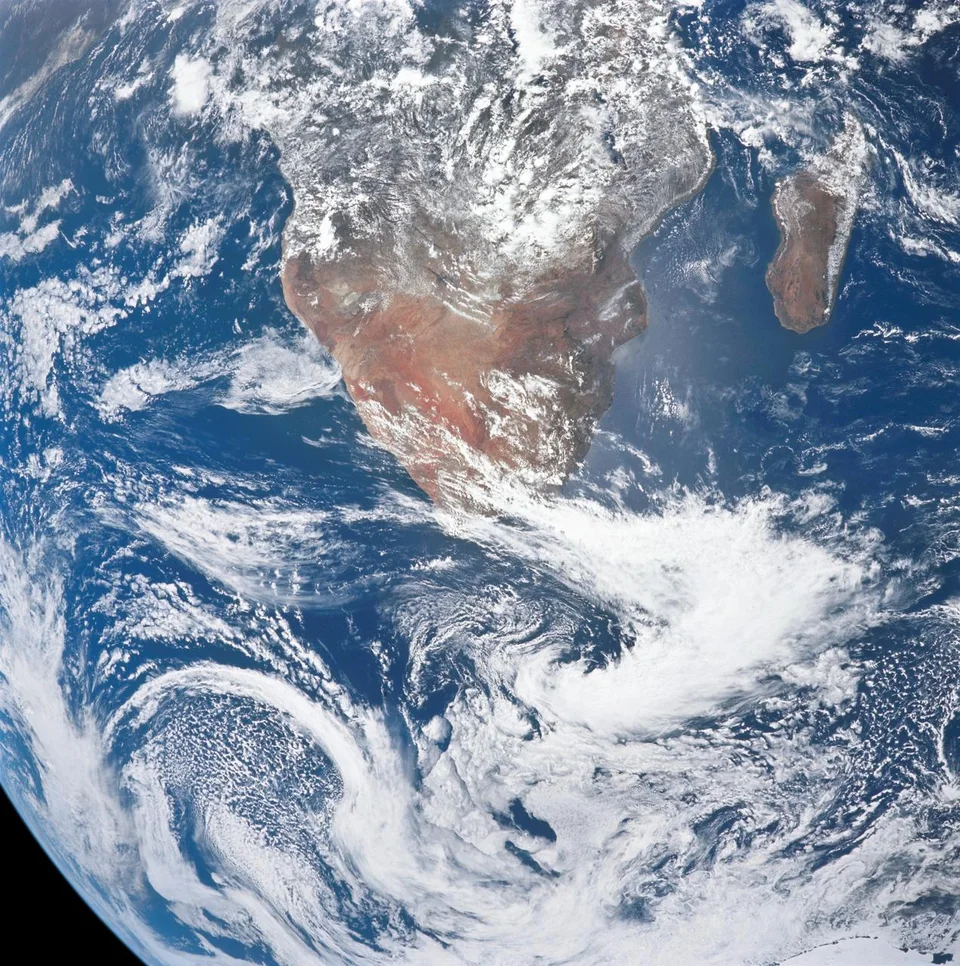
A mosaic from Europe’s Jupiter-bound Juice spacecraft captures a changing distance as well as a sweep across the continent.
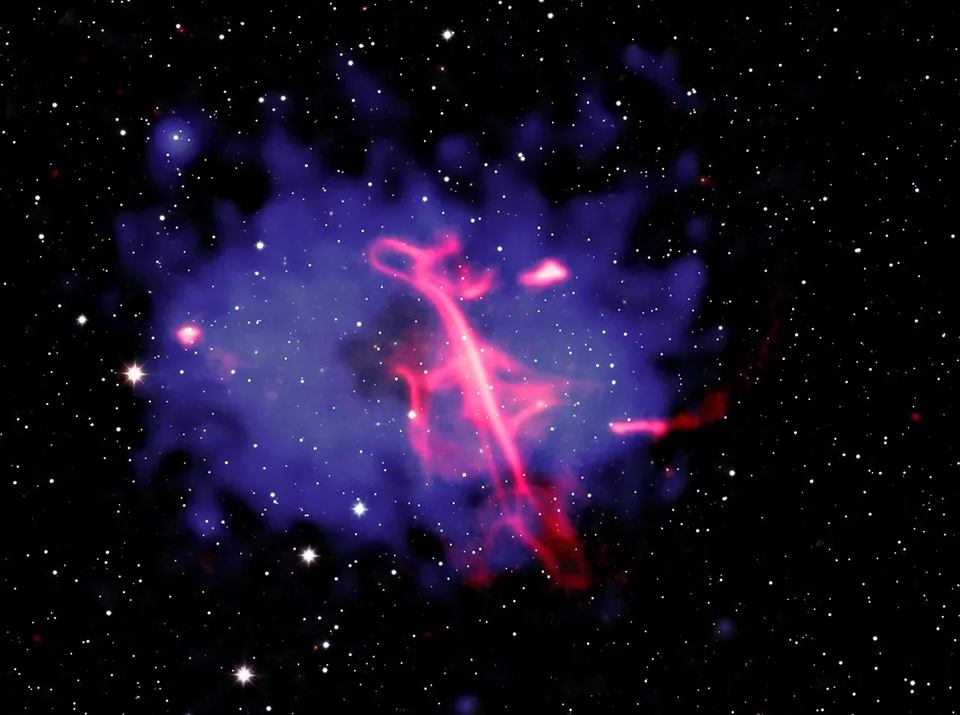
Astronomers combined radio, X-ray and infrared observations to investigate a source nicknamed the Treble Clef. Its shape appears to record an old black-hole outburst and a later cluster merger.
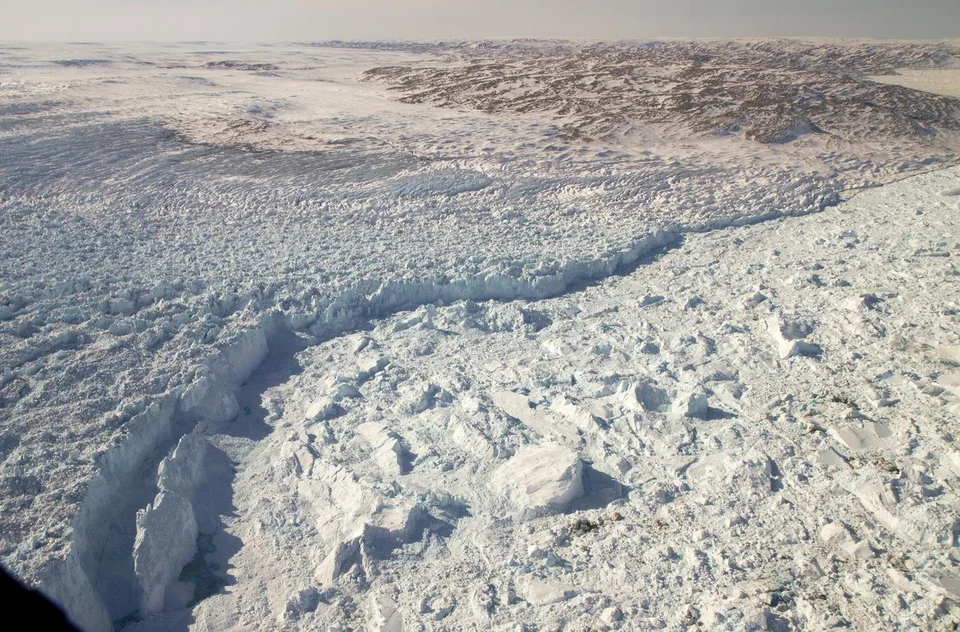
Researchers used 15,330 satellite observations to test a theory of accelerating ice loss. The water and broken ice in front of a cliff helped explain why its height tells only part of the story.
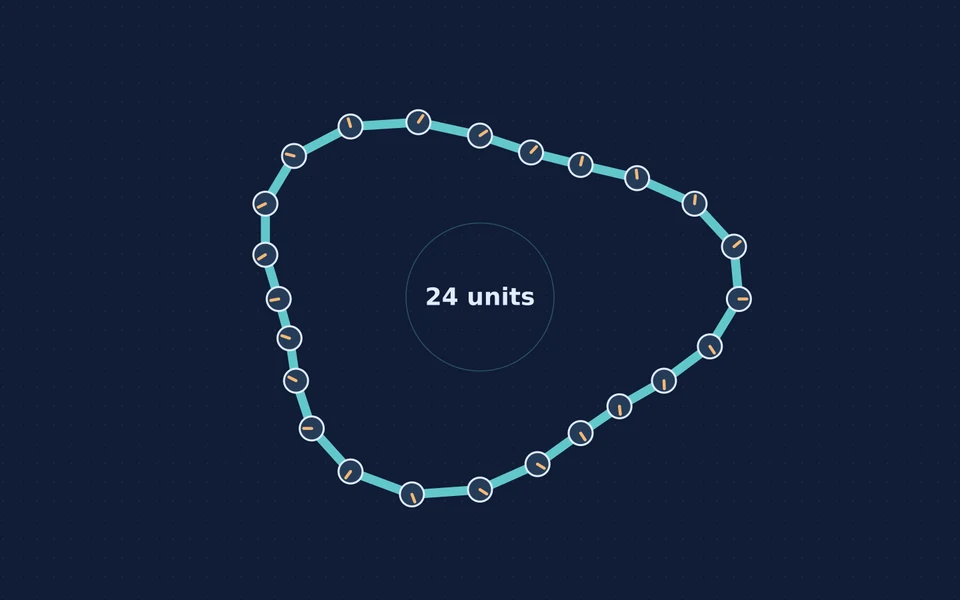
An elastic ring and a motorised honeycomb produced a repeating motion without a central beat. The experiment shows how local interactions can organise movement across an entire material.
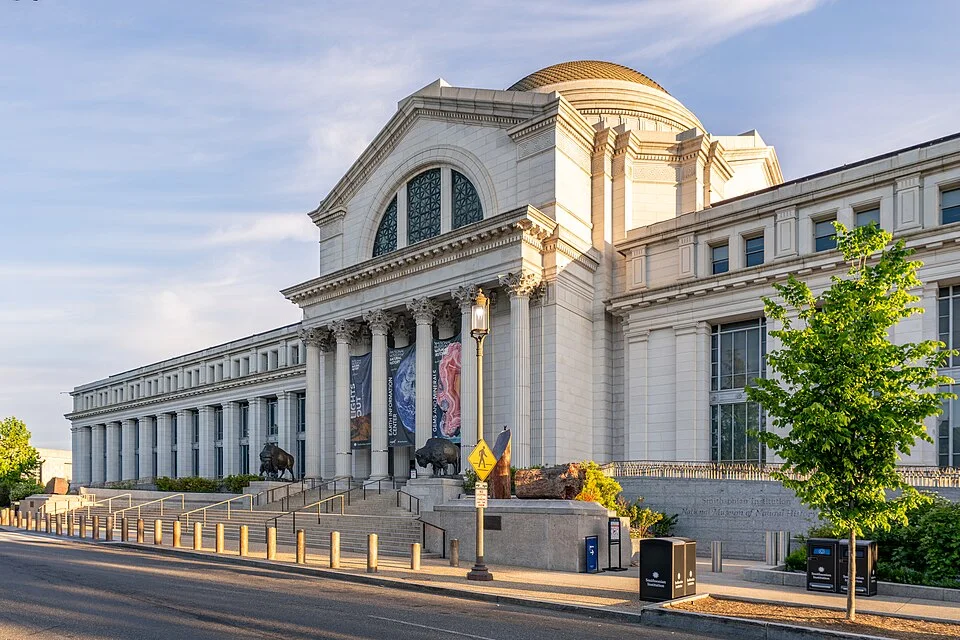
The museum’s National Fossil Day programme gives visitors a view into FossiLab, where material collected years ago can become researchable as preparation techniques improve.
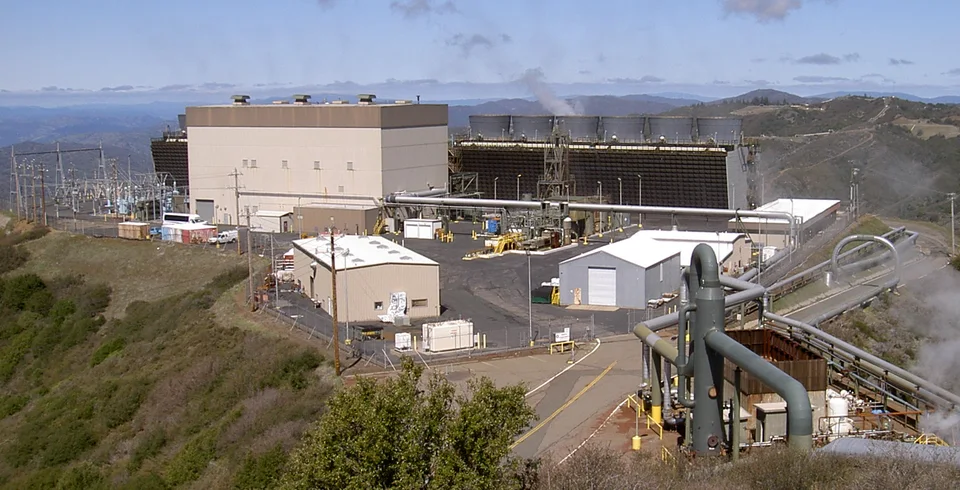
Five University of California campuses and four national laboratories are beginning a three-year phase of work on a stubborn problem beneath geothermal power.
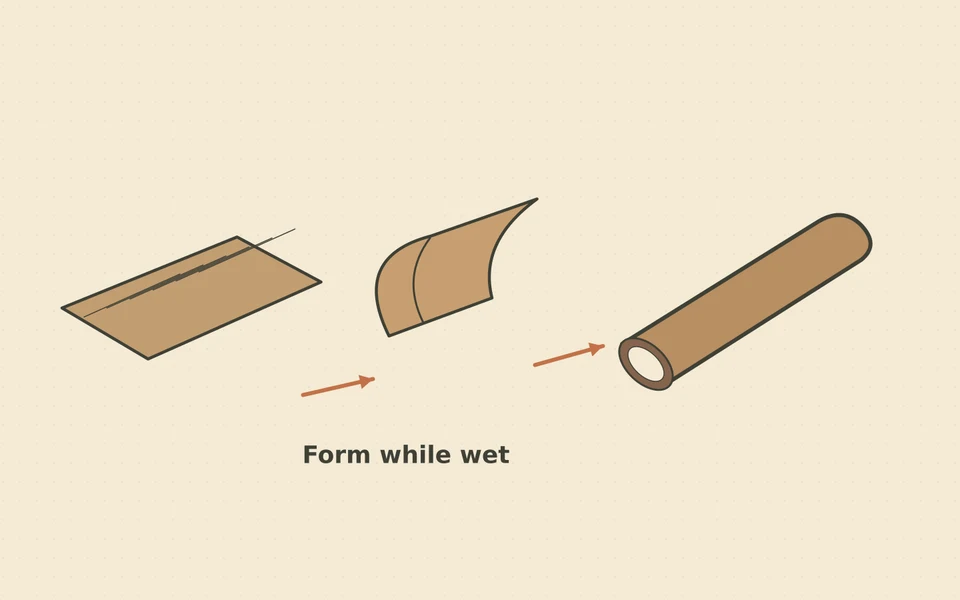
A laboratory study of treated wood puts numbers on the difference between shaping a material with water and asking it to carry a load in water.
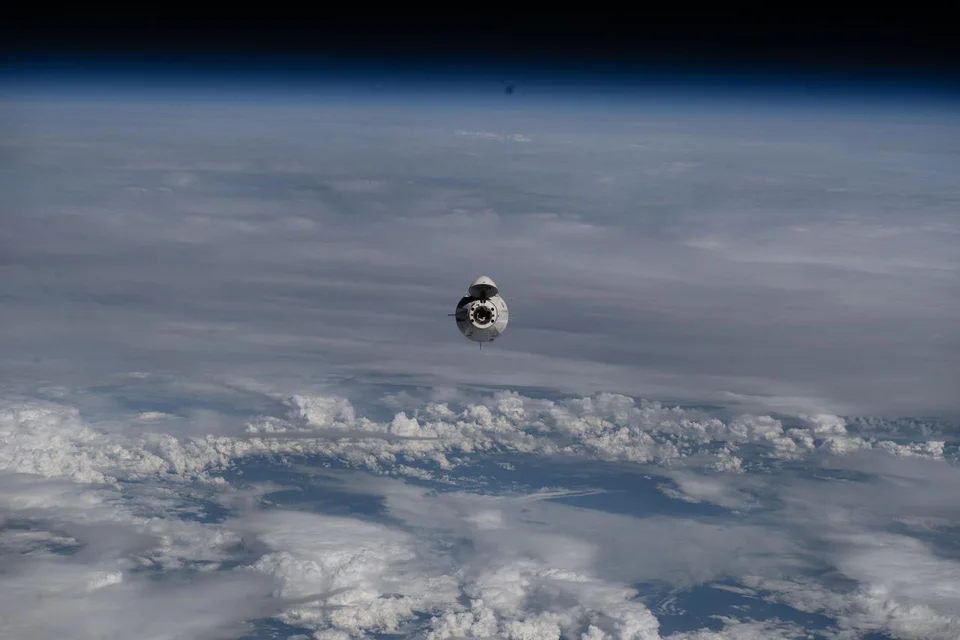
The final request for proposals covers transport and operations as well as an orbital destination. NASA wants to keep multiple designs in contention before selecting later work.
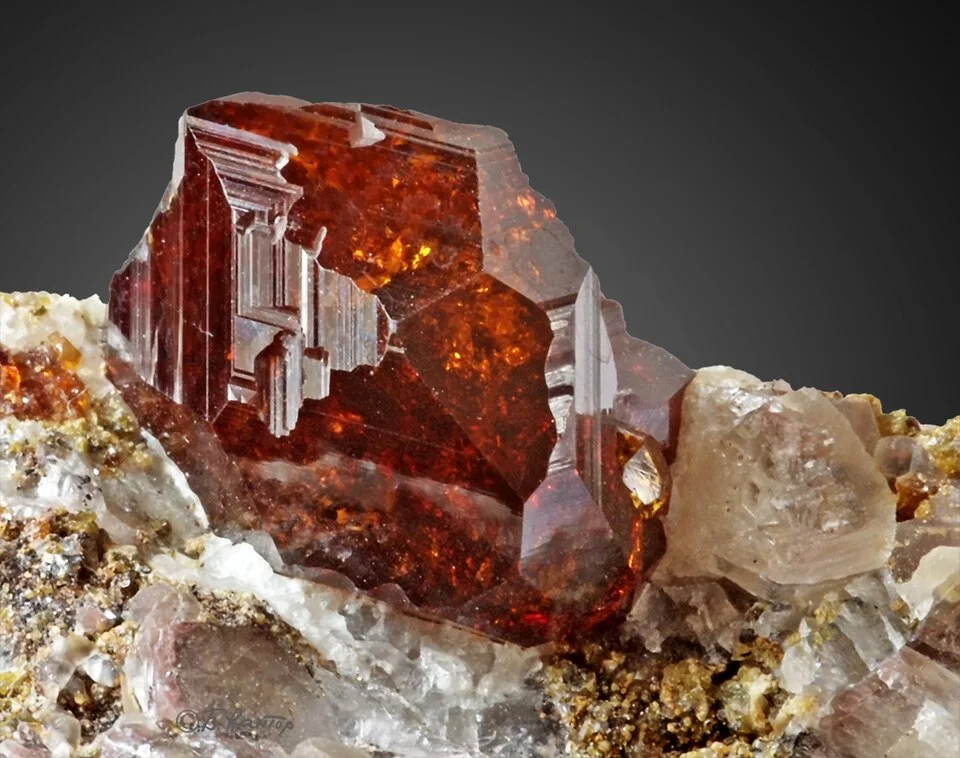
Minerals preserved in eclogite record a surprisingly hot point halfway down a rock’s path beneath the surface. The change in its temperature with depth challenges a familiar picture of subduction.
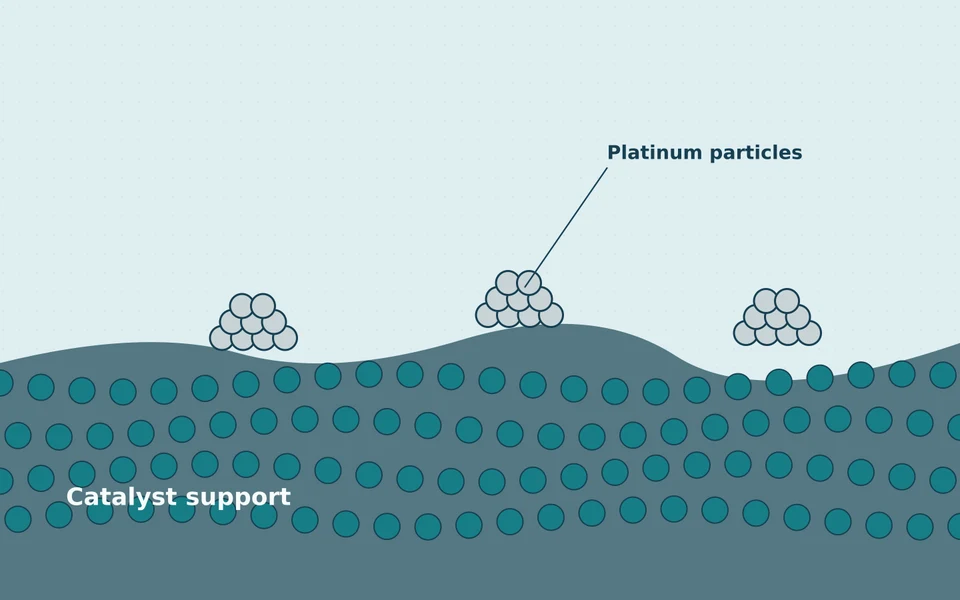
UCLA engineer Yu Huang’s award-winning work tackles a costly feature of hydrogen fuel cells. Holding tiny platinum particles in carefully designed surroundings can help preserve the reactive surface.
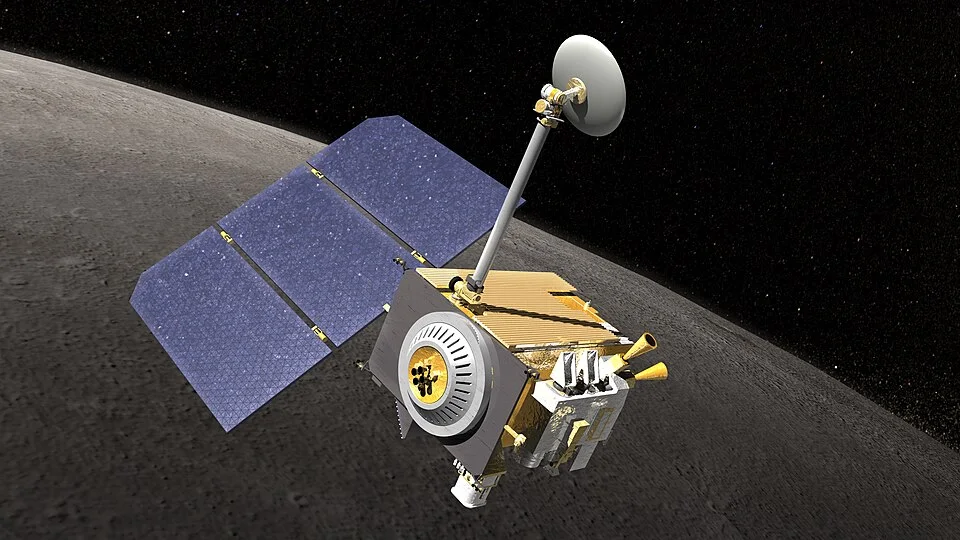
A SETI Institute discussion on 8 October revisits a lunar impact whose cold region stretches about seven kilometres. Comparing images taken at different times supplies a rare baseline.
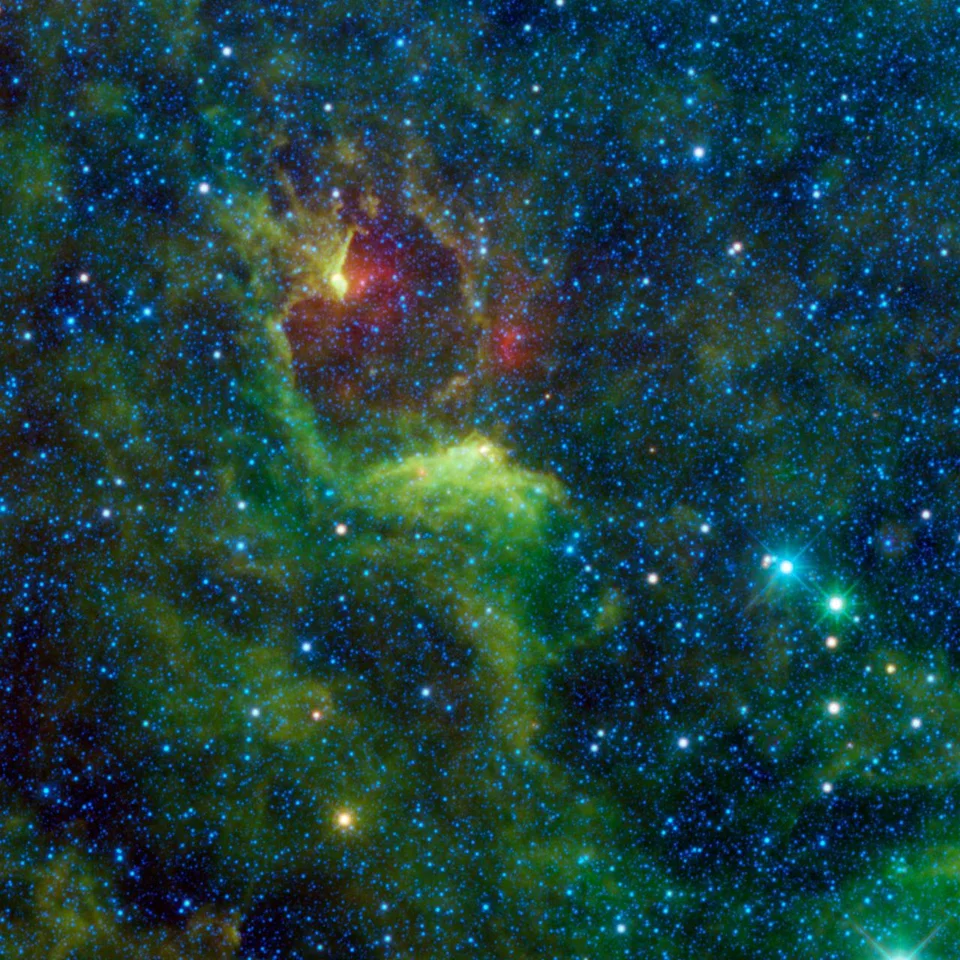
NASA has awarded an Arizona-led team US$20 million for PUFFINS. Instead of treating interstellar dust as an obstruction, the mission will use changes in ultraviolet starlight to learn about the grains themselves.