- The researchers tested stacks of thin polymer films under vacuum and compression.
- The best samples stayed flexible while limiting heat transfer.
- Scaling up the small, hand-assembled samples is an open task.
Inside this story 1 perspectives
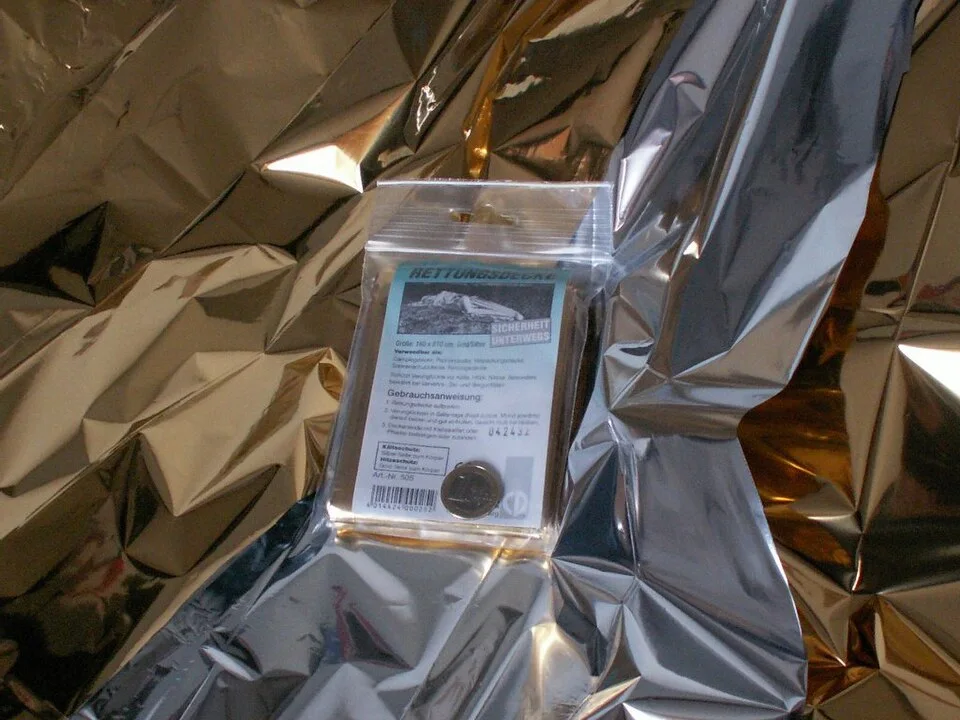
The silver blanket handed to a runner after a race and the insulation of a future building on the Moon have one material in common. Researchers at the University of Pennsylvania have been examining Mylar, a familiar polymer film, as the starting point for a more durable kind of insulation. On 23 October the university reported laboratory results on stacks made from thin sheets of the material. The innovation lies in how the sheets work together when they are pressed or bent.
Insulation in a vacuum has a different job from a thick coat worn outdoors. In the absence of air, heat can still be transferred by radiation and along physical connections between materials. Reflective layers can help limit radiation. The difficulty is keeping a useful arrangement of layers while allowing an object to be packed, transported, touched and used. A system that works well when left alone in a laboratory may lose much of its advantage after being squeezed into a smaller space.
Keeping the layers useful under pressure
The Penn team tested films of different thicknesses. Some received a very thin coating of aluminium oxide, which stiffened them. The researchers assembled the sheets into stacks and subjected samples to mechanical stresses as well as thermal tests. That sequence matters. Measuring only the initial insulation would reveal relatively little about how a material might perform after repeated handling, while testing its strength alone would say little about its ability to limit heat transfer.
In vacuum tests under compression relevant to a pressurised habitat, the best stacks reached levels of thermal conductivity comparable with other high-performing vacuum insulation technologies while retaining flexibility. A lower thermal conductivity indicates that heat moves less readily through the material under the test conditions. The reported result relates to the samples and conditions used. It is not a measure of how warm an entire occupied building would remain through a lunar night.
There is a considerable difference between making one successful specimen and supplying enough material for a structure. The samples covered about a square centimetre. Assembling the delicate sheets by hand took hours, with small weights and tweezers needed to keep them in position. A process for making larger sections would have to preserve the spacing and physical properties responsible for the small samples’ performance.
The full temperature range the material might encounter on the Moon also remains to be established in testing. That leaves the research with two distinct next questions. Can the performance of the hand-built stack be reproduced at a useful size? And can it survive the range of conditions a habitat would impose? A film already familiar on Earth makes a plausible place to start answering them.