- NASA issued the final request for commercial low Earth orbit station proposals on 9 October.
- The proposed contracts cover development, testing, certification and services, including transport.
- Proposals are due on 8 December. NASA expects awards in spring 2027.
Inside this story 2 perspectives
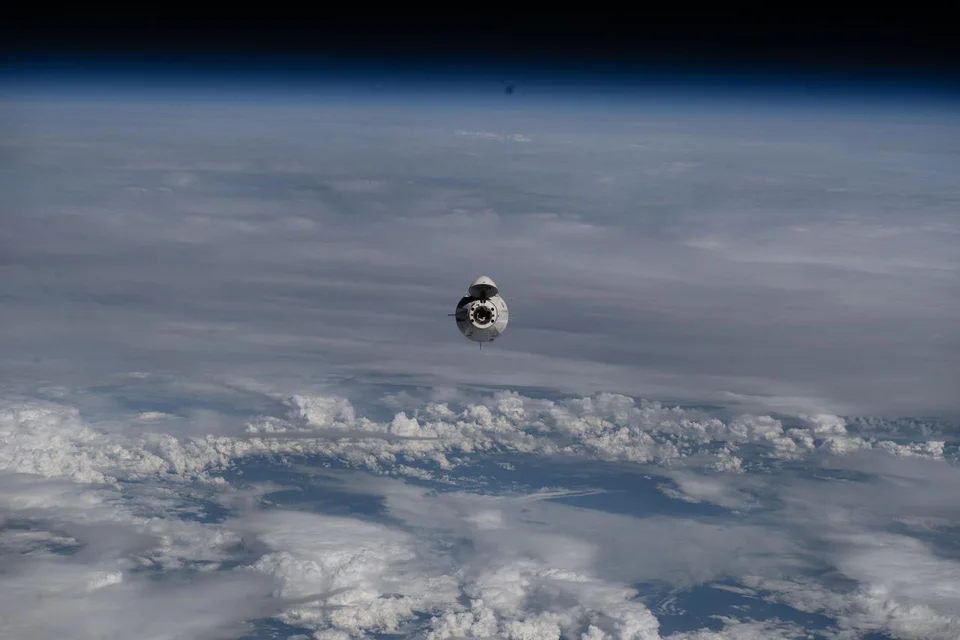
A rendering of a space station usually shows the destination, a bright structure against the darkness. The less photogenic part of the proposition is how a crew gets there, carries out its work and returns. NASA made that part explicit on 9 October in its final request for proposals for commercial stations in low Earth orbit. The agency wants companies to describe a destination and the transportation services needed to use it.
The International Space Station supports research, technology development and astronaut training. NASA intends to retain access to low Earth orbit after the station retires, while putting more of its resources towards exploration farther away. Paying for services from commercial providers is one possible way to do both. The agency’s request opens a competition. It does not establish that a replacement is already available or that any particular company will supply it.
Keep more than one design in the running
The acquisition plan envisages two or more contractors in early development. Later there would be a competition for final design, testing, evaluation, certification and services, with one or more contractors potentially proceeding. The agency intends to use firm-fixed-price contracts under which specific amounts of work can be ordered over time. These stages give an early development award a different significance from an order for an operating service.
For somebody hoping to conduct research in orbit, that distinction is concrete. A design can allocate room for equipment and power. A usable service has to provide a way to send equipment up, support the people working with it and get results or samples back where necessary. A small experiment can therefore depend on decisions about transport, crew schedules and the destination itself. NASA is asking bidders to account for how those parts fit together.
What changed between a question and a competition
In March the agency sought information from industry. In July it released a draft request, then held an industry day and individual meetings for prospective providers to comment on the acquisition approach. The final document sets the terms on which companies can now submit proposals. NASA has set 8 December as the deadline and expects contract awards in spring 2027.
Even a successful competition would leave significant work ahead. The design must perform as required, the station and transport have to be tested and services for people must meet certification requirements. Separate companies may ultimately handle different pieces of that work. For a laboratory trying to plan several years of experiments, the critical promise is consequently more demanding than the delivery of hardware. It is the prospect of a dependable way to get people and equipment into a working lab, use it and come home.