- The Cape Town machine recorded 77.79 petaflops on the TOP500 test.
- The ranking measures performance on a standard calculation. It does not measure the computing time available to researchers.
- South Africa’s public computing centre is preparing to replace its Lengau system, with a service interruption planned from December.
Inside this story 2 perspectives
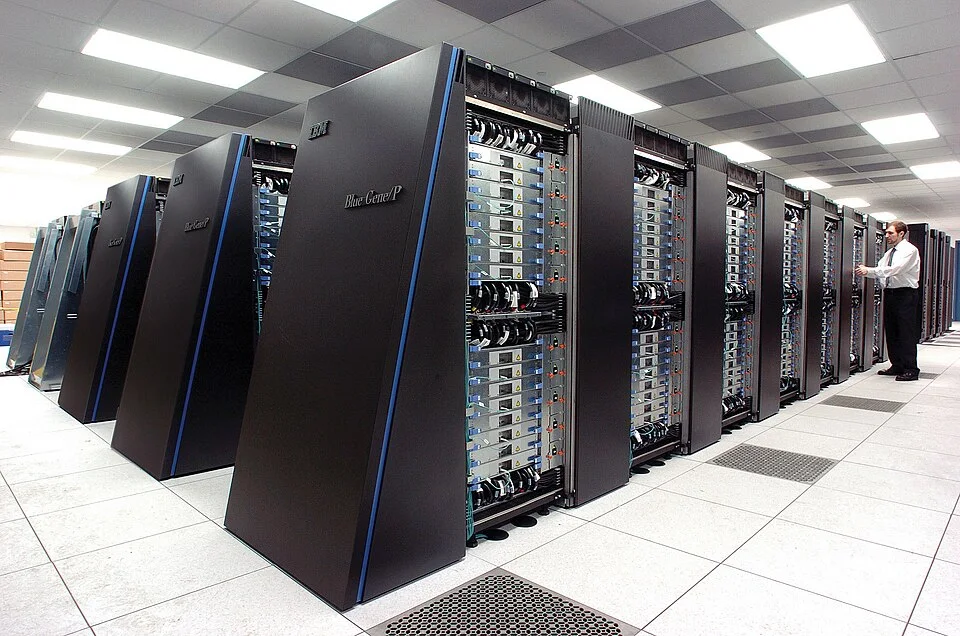
A machine in Cape Town sits 39th on the new list of the world’s 500 fastest supercomputers. Cassava’s AI Factory turned in a result of 77.79 petaflops on the standard test, placing a South African installation just behind a system in the United Kingdom and ahead of one in Brazil. For anyone who has waited for a university computing job to finish, there is another number worth knowing. How many hours can a researcher actually book?
The November TOP500, released in Chicago on 16 November, produced little movement at the summit. China’s LineShine retained first place, and the same ten machines occupied the top ten positions as in June. Only 27 systems joined the list, a record low according to its organisers. Even so, a new entrant had to clear a higher performance threshold to make the lower ranks.
What the stopwatch measures
To compare machines built by different teams for different purposes, the ranking asks them to solve the same kind of numerical problem. A petaflop represents a quadrillion floating-point operations per second. That makes it possible to compare a measured result in Cape Town with one in Shenzhen. It also leaves a fair amount of real life outside the frame.
Consider two research teams given the same machine. One comes with code already adapted to its processors and data ready to load. The other needs to move years of records, rewrite parts of its software and find someone who knows why a calculation keeps stalling. The machine posts the same score for both. The time it takes each group to answer its question could differ by months.
The December deadline
A separate South African system illustrates that difference. The national Centre for High Performance Computing plans to shut down Lengau on 1 December for replacement. The centre expects the interruption to last about three months. March 2027 is the target for the new service, subject to refurbishment, installation and testing. The transition notice directs users to plan for the interruption.
A project due in February therefore faces a practical choice now. A team might bring forward its longest runs, arrange access elsewhere or change its research schedule. The listing in Chicago establishes that formidable equipment exists in the country. A researcher seeking to move a job to that equipment would still have to establish availability, software compatibility and the terms on which the operator offers access.
That is a useful second measure of South Africa’s computing ambitions. Alongside every published speed record, it is worth asking how long a scientist with a sound proposal must wait to turn a calculation into a result.