- The team identified type I collagen from common eland in sediment associated with ochre.
- The archived samples came from the Klipdrift Complex in the De Hoop Nature Reserve.
- An ochre-treated hide and the deliberate mixing of animal material with ochre are among the explanations considered.
Inside this story 2 perspectives
An eland can leave a recognisable mark on an archaeological site without leaving a horn, a bone or an identifiable piece of hide. Researchers studying archived sediment from a shelter in South Africa’s De Hoop Nature Reserve have identified traces of the animal’s collagen in an ochre-rich surface dating to around 60,000 years ago.
The finding, reported in Proceedings of the Royal Society B and covered by Archaeology magazine on 26 October, concerns the Klipdrift Complex on the southern Cape coast. A team involving Kyushu University and universities in Bergen and Copenhagen examined an accumulation of ochre to see whether organic material had survived alongside the mineral. The animal identification narrows the possibilities for what people were doing there while leaving more than one plausible explanation.
What survives on a floor
Ochre can remain visible long after the things it touched have disappeared. Its colour is an obvious starting point for an excavation. The animal matter that might have been worked nearby presents a different problem. By the time archaeologists encounter the surface, they may have a distinct concentration of mineral grains and no object that looks recognisably like skin or another animal product.
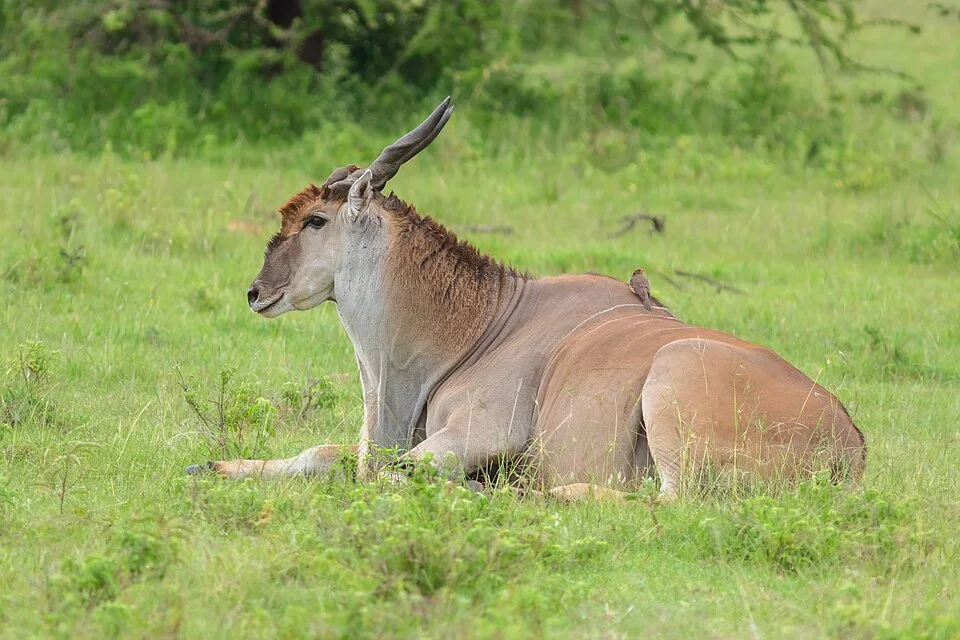
The team examined ancient proteins in the sediment and identified type I collagen from common eland, a large African antelope. It is an example of evidence that was present in a collected sample but invisible to the unaided eye. Returning to archived material allowed researchers to ask a question that was quite different from recognising and describing the colour of the layer in the field.
Two histories can leave a similar trace
One possibility is that people deliberately brought material derived from the antelope into contact with ochre as part of making a mixture. Another is that an eland hide already treated with ochre was present at the shelter and left traces behind. The common ingredient in both accounts is a close association between the animal and the mineral. The sequence of actions and the object involved would have been different.
A picture of people painting a hide or preparing a particular substance is therefore more specific than the evidence warrants. So is the assumption that the presence of ochre establishes a decorative or symbolic use. Several everyday activities could leave material on the same surface, and an archaeologist generally sees what survived them all together.
The value of naming the eland is that it replaces a broad category, possible organic residue, with a much narrower question about how people used material from one kind of animal. Further finds in other contexts might help distinguish an isolated occurrence from a recurring practice. For now, an archived piece of shelter floor preserves an association that even a very careful observer could never have seen by colour alone.