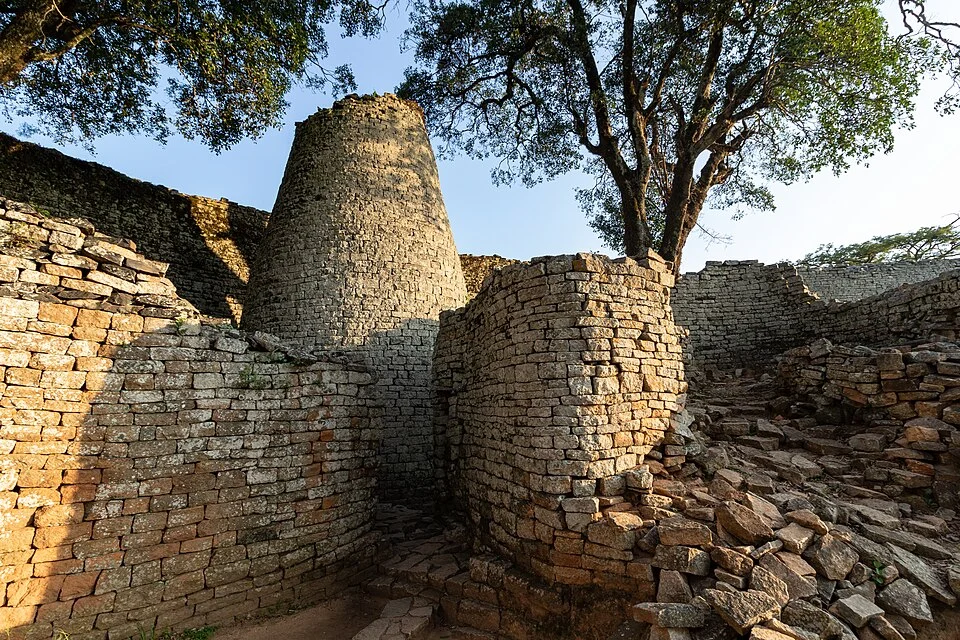
A Paris exhibition beginning on 17 September takes up UNESCO’s General History of Africa. Its maps, photographs and archival materials carry an argument about who gets to tell history.
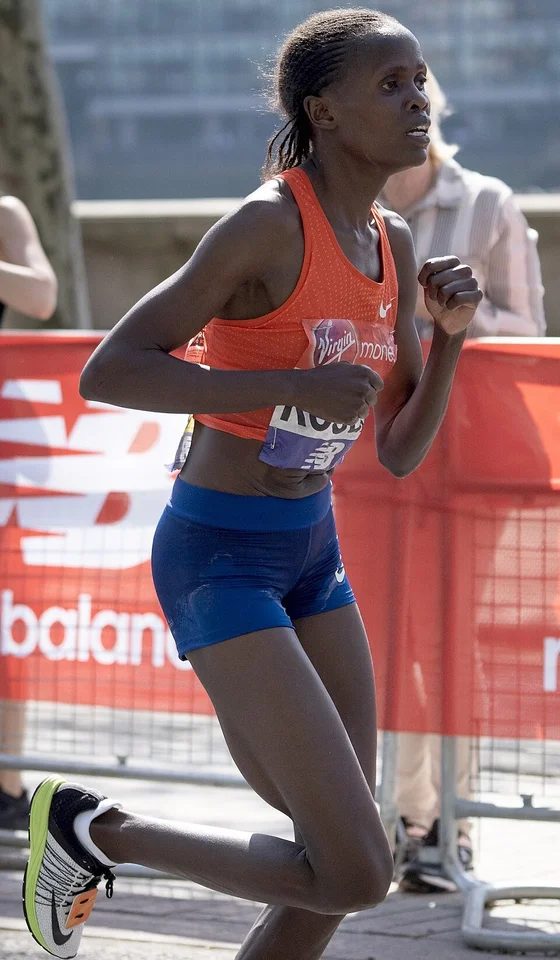
The Kenyan runner took her second title from Newcastle to South Shields. The men’s running race came down to fourteen seconds, and David Weir claimed a tenth men’s wheelchair victory.
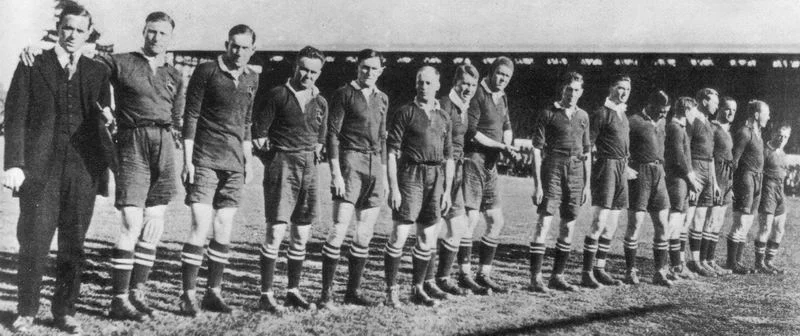
Morné van den Berg spent three months recovering from surgery. In Baltimore, he scored a try, kicked a conversion and helped South Africa claim Rugby’s Greatest Rivalry.
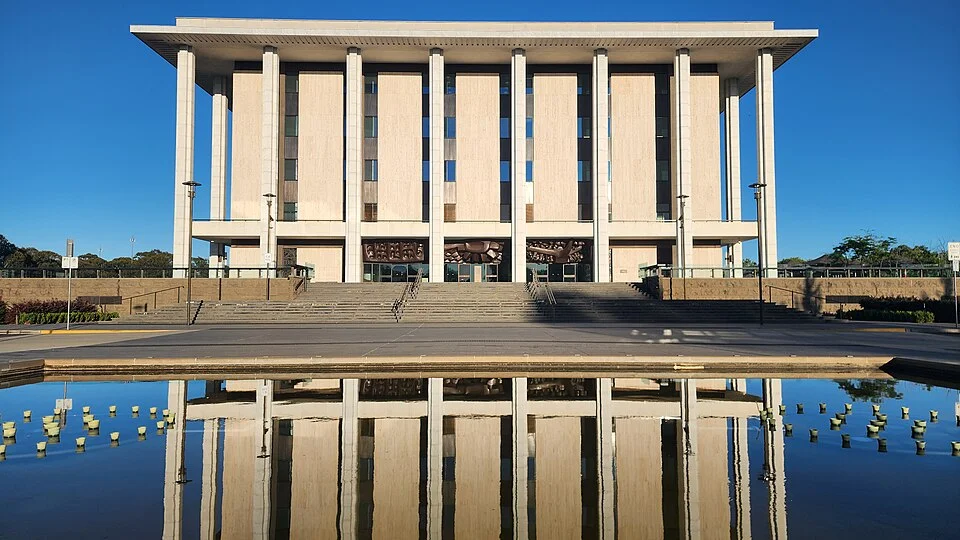
A novel grounded in Yolŋu oral history has won Australia’s Prime Minister’s Literary Award for fiction. Its credit page gives readers their first clue to how the story reached print.
Vincho Nchogu’s One Woman One Bra arranged a Loita homecoming before its Nairobi cinema run. The Kenyan-Nigerian production asks what becomes of a woman whose name cannot easily be fitted onto a land deed.
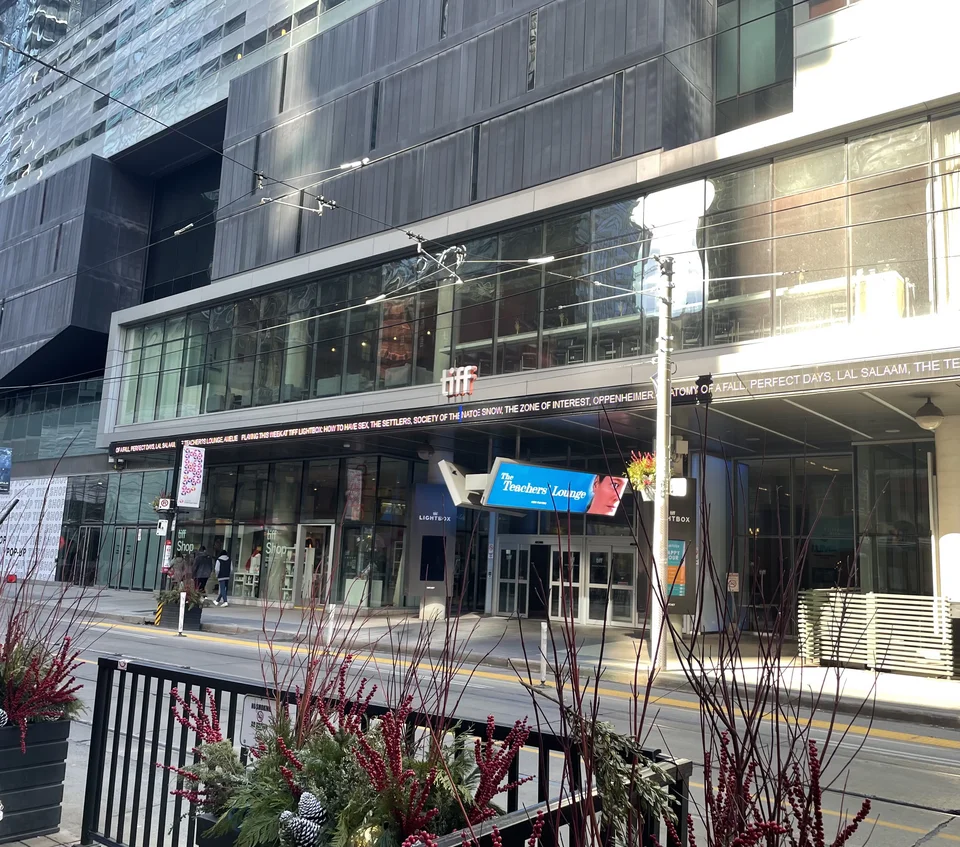
Eight films backed by the office are in TIFF’s programme. On opening day, Canadian and Australian producers also have a place to talk about the projects that might follow them.
The Nigerian artist’s first extensive German solo exhibition brings queer companionship into view. A shared corridor in Lagos offers one way to understand how much a photograph can reveal and how much its subjects can keep.
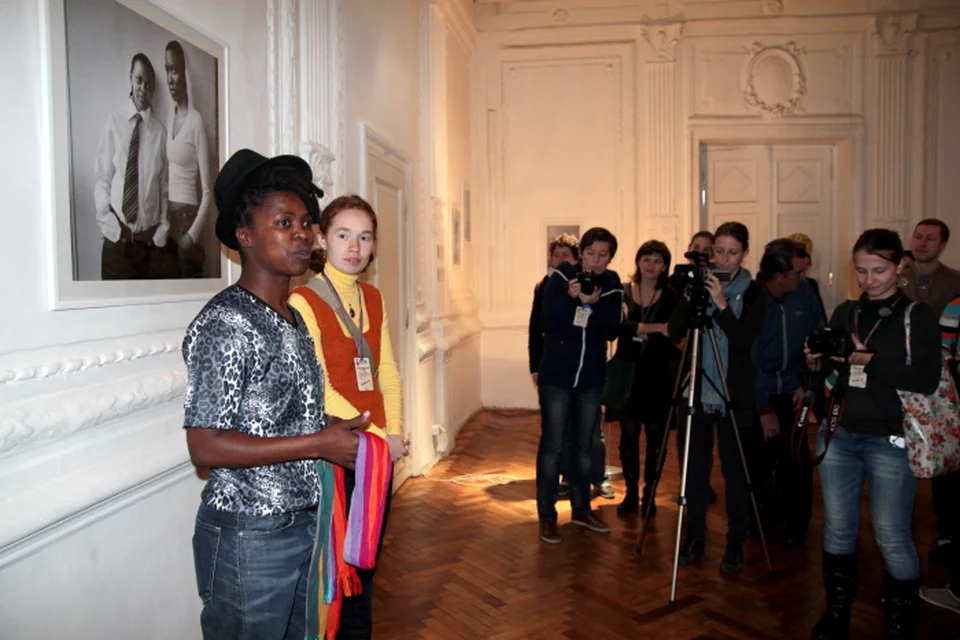
Khululekani, opening at Wits in Johannesburg, marks twenty years of Faces and Phases. Repeat portraits let participants occupy more than one moment in a growing visual archive.
Six works in progress from African and Middle Eastern filmmakers are being shown to people who could help finish them. At Final Cut, a meeting with a sound studio can matter as much as a cash prize.
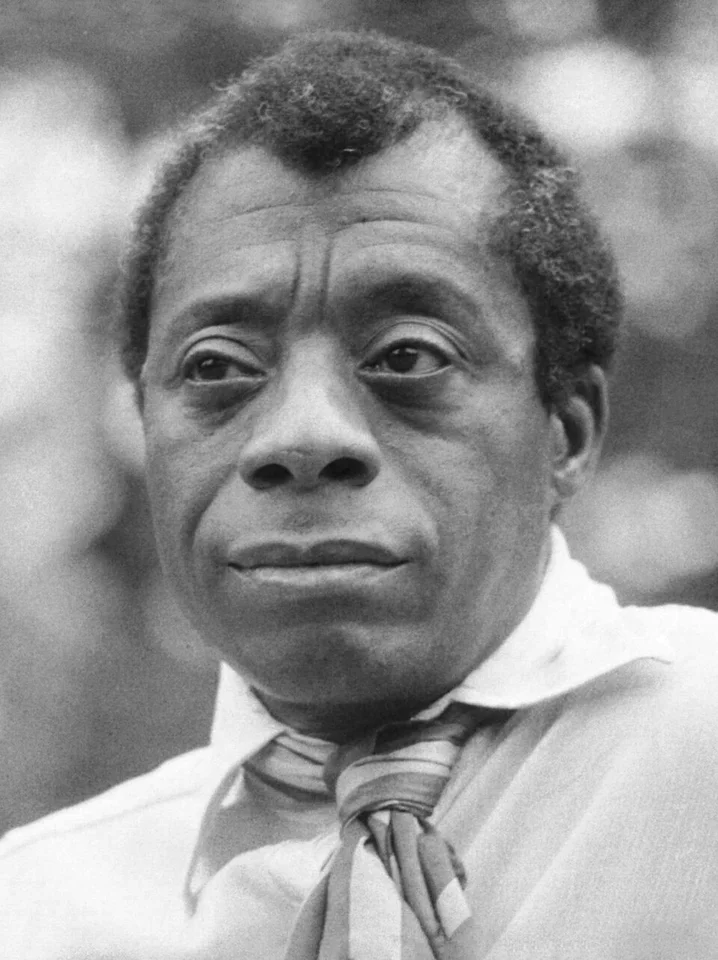
Nicholas Boggs’s place on the Baillie Gifford longlist draws attention to a biography built around four relationships. A painter, an actor and collaborators become part of the account of how Baldwin wrote.
Gladwell Pamba’s shortlisted story grew out of a Kenyan publishing workshop. The other four selections also carry a trail of journals, anthologies and editorial decisions worth following.
As guest director of the Colorado festival, Hall selected six films she could bring back to a cinema. A Peter Bogdanovich comedy and a Joseph Losey drama have changed with her own experience as a viewer.
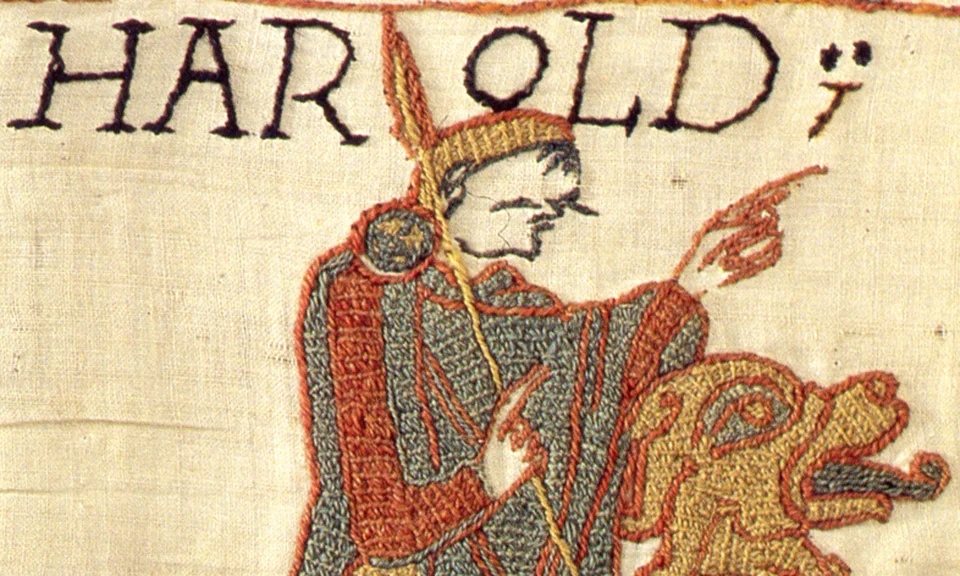
France’s loan of the medieval embroidery has been unveiled at the British Museum. The march towards Hastings occupies its middle, with an altogether different cast of characters along the borders.
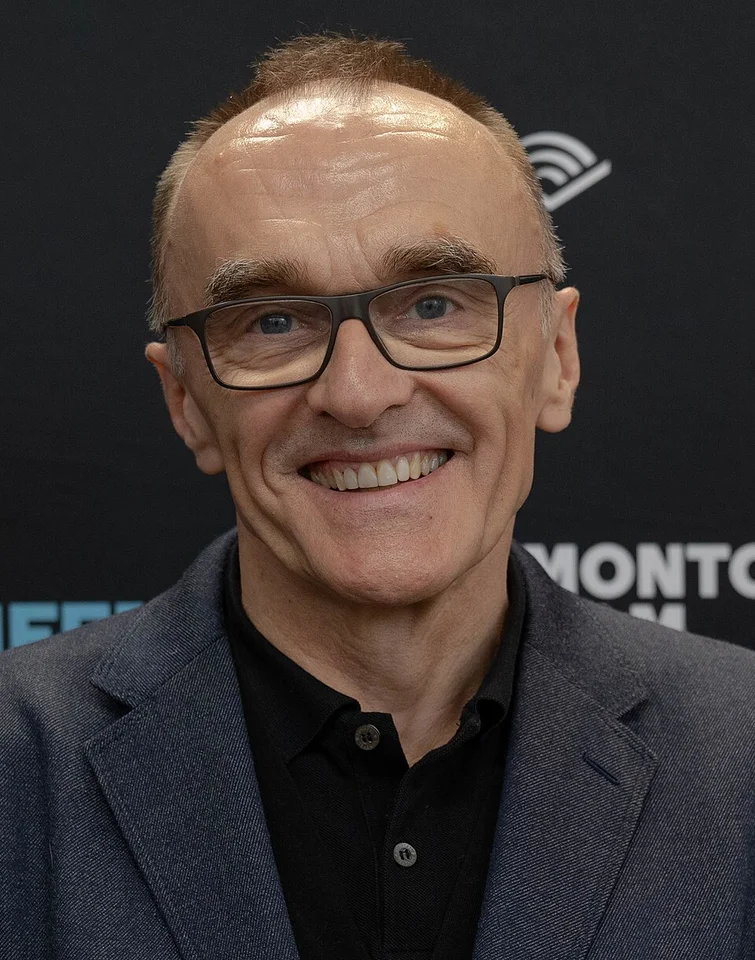
Danny Boyle’s Ink takes James Graham’s play about the relaunch of The Sun from stage to screen. Behind the press-room rivalry sits a question about who gets to define what readers want.
Final programme changes for the September festival put the practical details of a literary weekend in focus, from free readings to the sessions already running waiting lists.
Johannesburg’s Cradle of Creativity opens a week of performances for young audiences. One play begins with a family argument about a smartphone, and gives both generations something to defend.
From Whose Waters Do We Drink? puts artists, musicians and the people who transmit knowledge into the same conversation, across a Parktown North venue and the forthcoming Sandton art fair.
At its first online literary festival, the African literary magazine puts poetry and fiction readings ahead of the keynote and makes room for questions about a first book deal.
Euljiro’s workshops and exhibition spaces share an address. Seoul is making the district the opening-night centre of a citywide art week, giving visitors a reason to walk beyond the fair booths.
Saturday’s Panorama brings junior and adult orchestras onto the same London stage. The order of the performances gives the younger musicians their own competition and audience.
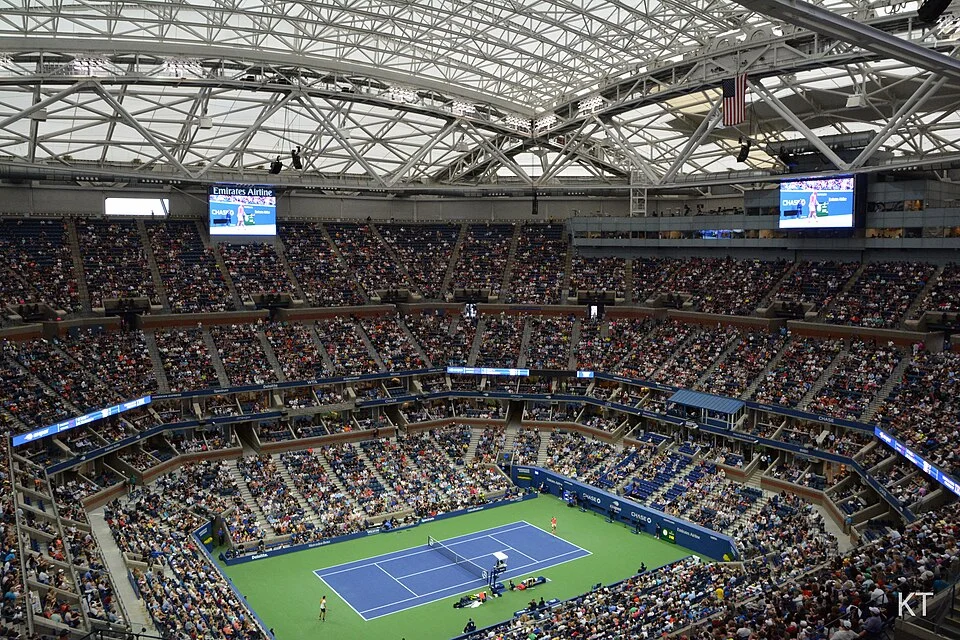
The mixed doubles event uses a shorter format in its early rounds, then lengthens the sets for the final. A few scoring decisions change the rhythm for players and spectators.
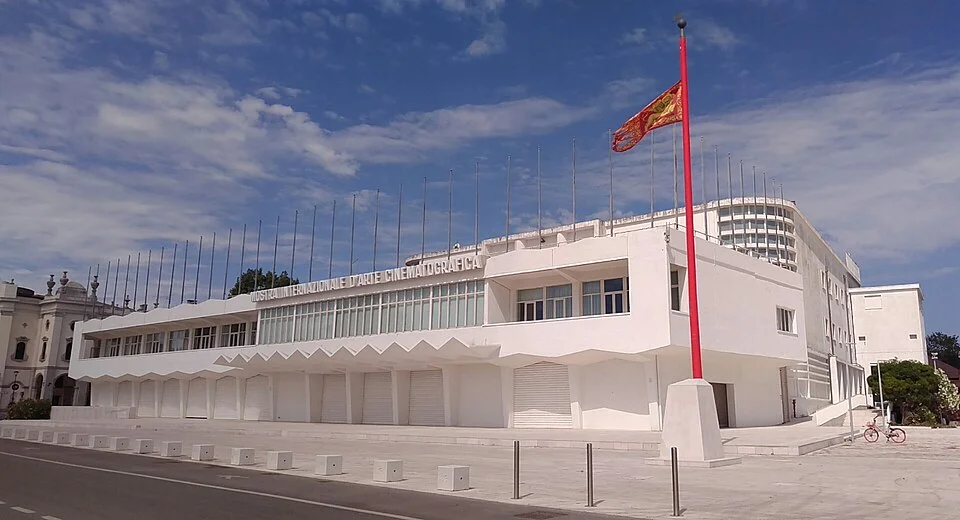
New York has added NAZA to its main slate, a day after Venice announced the documentary in competition. The film grows out of reporting first published across three news outlets.
Kutlwano Masote’s memoir won a National Arts and Culture Award. The conductor’s route through orchestras, radio and publishing gives readers several ways into a South African musical life.