- Imperfect Harmony won the nonfiction book award at the 2026 National Arts and Culture Awards.
- Masote grew up in a musical family in Soweto and went on to work as a cellist, conductor and broadcaster.
- Xarra Books published the memoir, which includes family life and recovery along with his professional story.
Inside this story 2 perspectives
Kutlwano Masote has spent much of his working life helping people listen. On the podium, the task is to bring musicians into agreement about how a piece should sound. On radio, it is to find words that give somebody at home a reason to keep listening. His latest national award comes from another encounter with an audience he cannot see: the first person who opens his memoir.
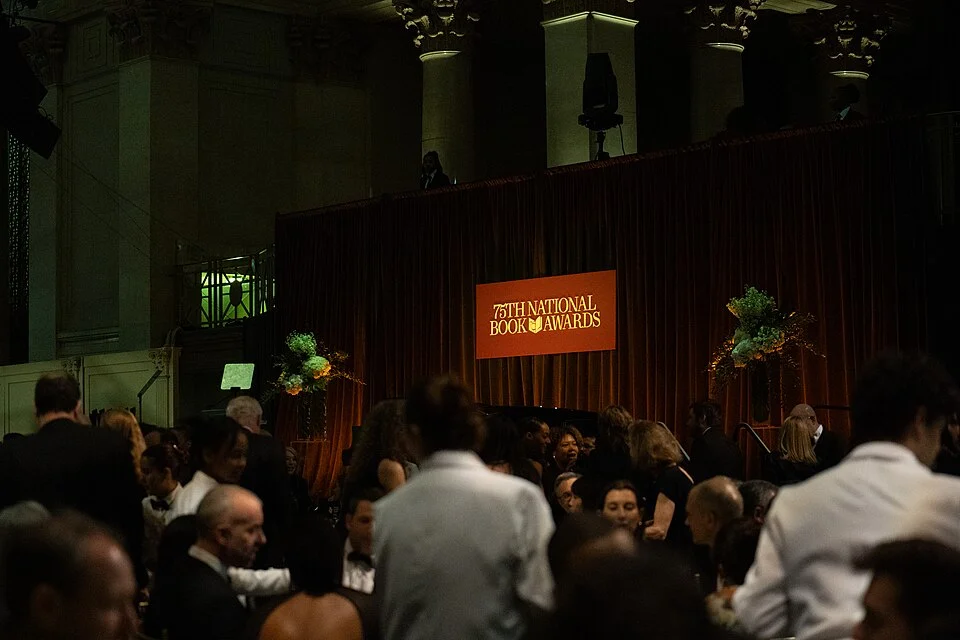
Imperfect Harmony received the outstanding nonfiction book award at South Africa’s National Arts and Culture Awards. The ceremony took place at Sun City on Friday 21 August and was broadcast the following Saturday. Reporting the winners on Monday, the Mail & Guardian listed Masote alongside fiction and children’s authors, a publisher and artists working across other disciplines. For someone who knows him chiefly as a conductor or radio voice, the category itself is an introduction.
An orchestra begins before the concert
Masote grew up in Soweto in a family deeply involved in classical music. His father, Michael, helped make orchestral music available to young Black South Africans under apartheid. In April, Wits Review described the elder Masote’s work as a response to assumptions about who could play music by European composers. For a child in that household, the question of access to the concert hall was bound up with the ordinary business of getting enough people together to play.
The younger Masote studied at Wits and went on to train in Switzerland. He has performed as a cellist, led ensembles and introduced repertoire on air. Those are distinct vantage points on the same musical world. A cellist can describe what it feels like to enter a passage with the rest of a section. A conductor is listening across the sections. A broadcaster has to think about somebody encountering the music without the visual clues of a live performance.
Finding the publisher
Masote told IOL that approaching his fiftieth birthday encouraged him to start writing. Finding a publisher took much longer than making the decision to begin. Xarra Books eventually took on the manuscript. The result addresses marriage, fatherhood, friendship and his recovery from alcohol addiction as well as the professional route that took him from Soweto to international study and back.
Such details give the memoir another audience besides regular concertgoers. People who know a performer by an assured public voice often know little about the family arrangements, setbacks or opportunities behind it. Masote’s choice of a literary form lets those parts of a life occupy the same page. This award recognises that act of authorship, and the published book offers something a concert programme rarely can: room for the person who takes the stage to explain what it took to get there.