- Baldwin: A Love Story is among thirteen titles on the 2026 Baillie Gifford Prize longlist.
- Nicholas Boggs draws on archival material and interviews to follow four sustaining relationships.
- The people in the book’s frame include artists who helped make particular works possible.
Inside this story 2 perspectives
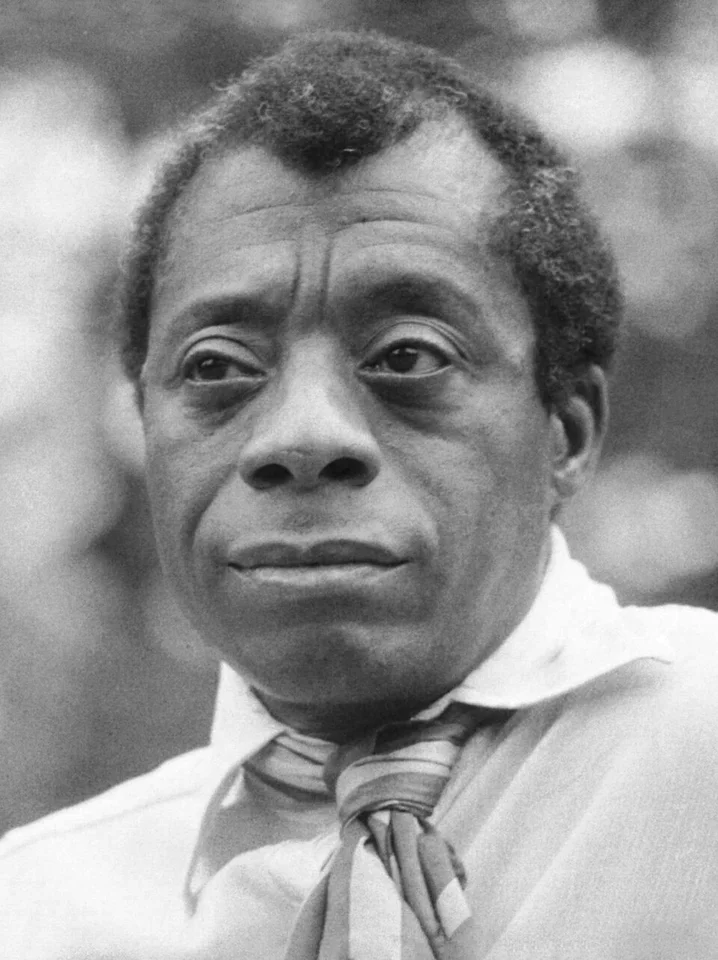
A biography of James Baldwin might begin with a famous speech, a novel or a confrontation. Nicholas Boggs builds his account around four people. Their friendships, love affairs and artistic partnerships with Baldwin give the book a different way of locating a writer usually recognised in public. On 3 September, Baldwin: A Love Story joined the thirteen books on the Baillie Gifford Prize for Non-Fiction longlist.
Boggs places painter Beauford Delaney, Swiss painter Lucien Happersberger, Turkish actor Engin Cezzar and French artist Yoran Cazac at the centre of his account. Each knew Baldwin differently. Putting them in one frame raises a question that a straightforward chronology can miss. What parts of a writer’s working life become visible when the reader follows the person who made a space available, an image possible or a performance worth imagining?
Two kinds of studio
In Publishers Weekly’s account of the biography, Delaney encouraged the young Baldwin and supported his decision to go to Paris in 1948. In Paris Baldwin met Happersberger, who later made his family home in Switzerland available to him. A house in which a writer can work is a material contribution. It changes where the writer can spend time and what kind of sustained attention a book can receive.
The relationships also cross the conventional boundaries between art forms. Baldwin met Cezzar while working on a stage adaptation of Giovanni’s Room. With Cazac he collaborated on Little Man, Little Man, a book for children. A literary biography organised solely around the publication dates of major novels might place the latter project at the edge of the story. Follow the relationship with an artist, and the children’s book becomes a natural place to look for the exchange between words and pictures.
Who can testify to a life?
Boggs draws on archival material, original research and interviews, including conversations with Cazac. Different sources give him different access. A published book records choices Baldwin allowed into print. A collaborator can remember a choice being tried and discarded. A letter brings a particular moment close while leaving the reader to ask what the writer assumed the recipient already knew.
The award’s longlist this year includes biographies of figures as different as romance novelist Barbara Cartland and eighteenth-century traveller George Forster. The shortlist is due on 1 October. For now, the recognition puts a particular biographical choice before a wider audience. Readers can begin Baldwin’s story in the company of the people who helped create the circumstances for his writing. It is an invitation to notice the unfamiliar names beside a familiar one, and to keep them in mind when returning to the books.