- Ink opened the 83rd Venice International Film Festival in competition on 2 September.
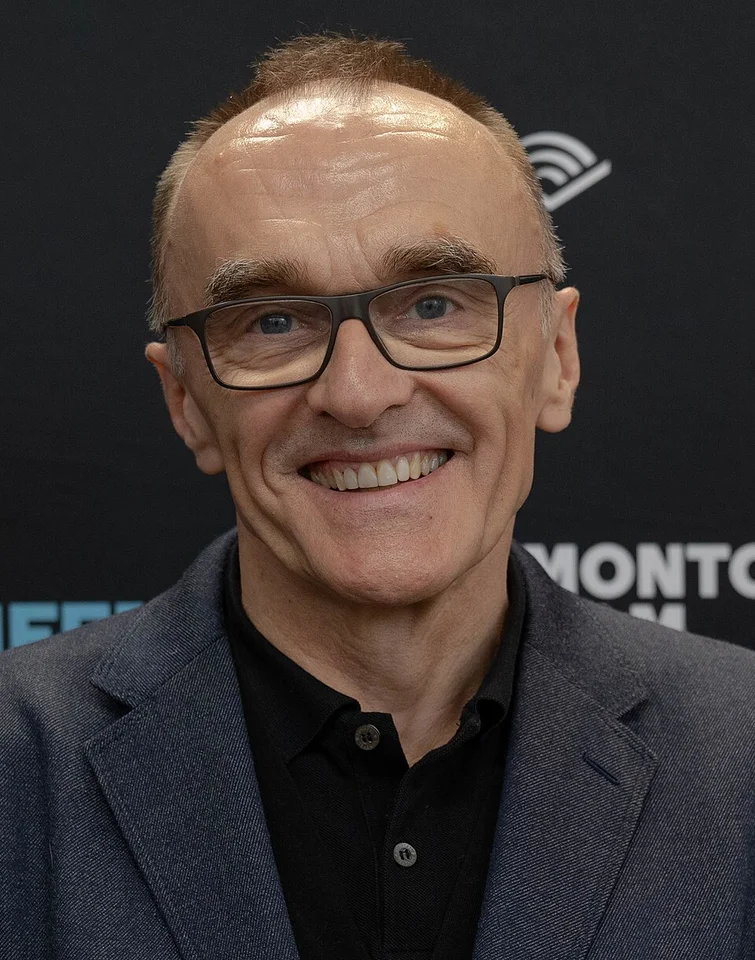
- James Graham adapted his own play and Danny Boyle directed.
- Guy Pearce plays Rupert Murdoch and Jack O’Connell plays editor Larry Lamb.
Inside this story 2 perspectives
A daily newspaper can count how many people buy it. It has a harder time deciding what the purchase means. That gap between a sale and an endorsement runs through the story chosen to open the Venice International Film Festival on Wednesday. Danny Boyle’s Ink revisits the relaunch of The Sun under owner Rupert Murdoch and editor Larry Lamb in 1969, when Britain’s popular press still sold its verdict on the world one printed copy at a time.
The film premiered in competition at the Sala Grande on the Lido on 2 September. Playwright James Graham adapted his own stage work. Guy Pearce plays Murdoch and Jack O’Connell plays Lamb. The challenge for the two men is easy to express in circulation figures. The publisher wants the struggling paper to overtake its rival, the Mirror. How an editor goes about producing that number is a rather messier subject.
The reader imagined in the newsroom
A newsroom can declare that its audience has been underestimated and promise to take popular interests seriously. It also has the power to decide which interests make the front page tomorrow. The two propositions are easy to confuse. Give readers more space for the television they watch and an editor may be recognising a part of ordinary life the press had previously dismissed. Choose which scandals deserve another day of attention and the editor is also helping make the appetite the sales figures appear to measure.
Graham’s setup lets the ambition to challenge an established hierarchy sit alongside the commercial incentive to go further than yesterday. Contemporary reviews describe O’Connell’s Lamb assembling a staff able to turn the publisher’s wager into a daily newspaper. The speed of that work matters. There will be another edition to sell long before the longer consequences of this one can be assessed.
What changes when a play becomes a film
The Irish Times describes an opening sequence whose images echo the halftone texture of printed photographs, and a soundtrack that ranges beyond the period. These are choices about how to approach an audience looking back from the present. A spectator can recognise the texture of a newspaper and also hear music that keeps the film from settling into a comfortable reconstruction of 1969.
There is another reason to keep the form in view. Claire Foy’s Jules is a composite character, as the Guardian points out. The dramatisation compresses individual experience to make an argument about an institution. It gives the audience a way to ask who gets heard in the newsroom without treating every conversation as a surviving piece of historical evidence.
It is a fitting question for an opening-night film. Festival audiences, like newspaper readers, can be counted at the door. Finding out what they made of the thing they came to see takes a different sort of attention.