- Cradle of Creativity’s Johannesburg programme runs from 31 August to 6 September.
- The festival announced 21 productions from ten countries across theatre, dance, circus and related forms.
- Dimpho and the Catfish puts an eleven-year-old and her mother at the centre of a story about digital life.
Inside this story 2 perspectives
Dimpho is eleven when she gets her first smartphone. Her idea of what the device opens up and her mother Madimpho’s view of what it might expose her to are unlikely to fit on the same screen. That disagreement gives Dimpho and the Catfish its starting point at Cradle of Creativity, the festival for young audiences whose Johannesburg programme opens on 31 August.
The play has an unusual opportunity in a theatre. Children and adults can hear the same line and recognise different parts of the argument. A rule that sounds arbitrary to one person can sound like the minimum precaution to another. There is also an important third party in the room. A child watching the fictional family can think through Dimpho’s choices without having to disclose a personal argument about a phone to the adults sitting nearby.
The audience in front of the stage
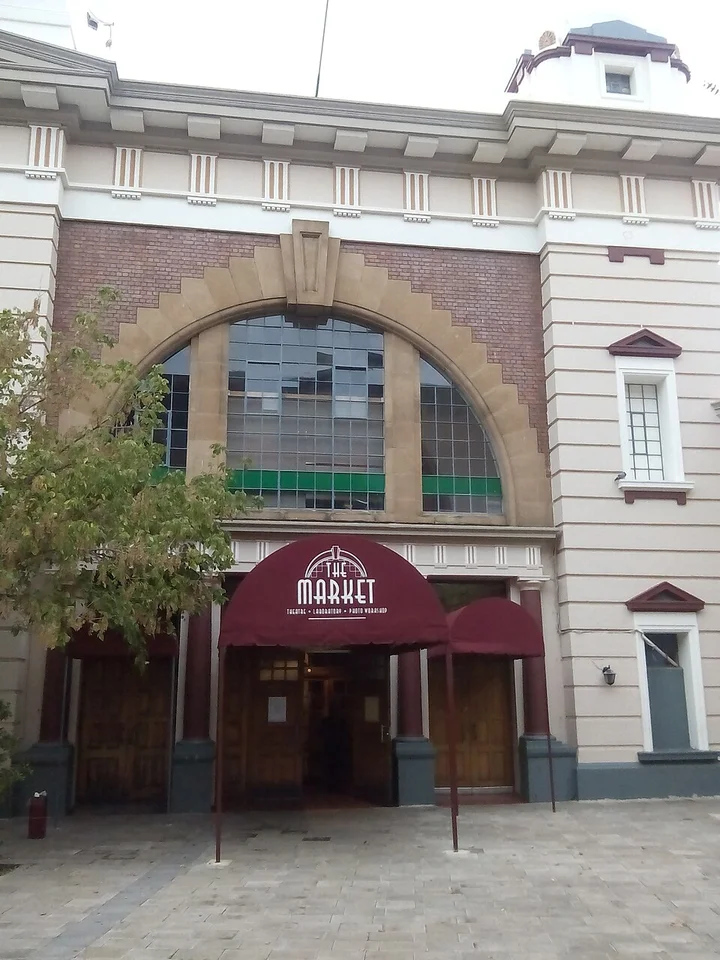
ASSITEJ South Africa has programmed 21 productions from ten countries at the Market Theatre, with the Johannesburg run continuing through 6 September. The programme brings together dance, circus and other performance forms alongside plays. It is a reminder of the range concealed by the convenient label “children’s theatre”. A dance work can ask a young audience to interpret movement before it has words for the idea. A family drama can build on a disagreement that even very young spectators already understand.
The producers have placed the festival in the fiftieth anniversary year of the Soweto uprising. Their stated interest is in the courage and imagination of young people. That history gives a particular weight to the way a theatre addresses its spectators. Children and teenagers in South Africa have shaped public events and questioned adult authority. A play made for them can afford to let a question remain difficult after the performance ends.
Who gets to be in the room?
The festival’s reach also depends on how the work travels. This year the organisers brought a touring programme to Kimberley for the first time, with work by companies including De Stilte and SboNdaba Dance and workshops for local artists. A Johannesburg run and a Northern Cape visit ask different things of performers and organisers. What can fit in the venue, what must travel with the company and which artists have time to meet all affect what an audience ultimately sees.
ASSITEJ has also announced an arts programme for schools with support from the Department of Basic Education. One promising question for teachers and families after Dimpho’s story is which character had information the other needed. It asks children to think about the mother’s responsibilities and adults to take the daughter’s curiosity seriously. That exchange, possible in the same room immediately after the curtain, is something no phone setting can arrange.