- Umngqungqo makes its Artscape debut on 31 October.
- The production has already appeared in Gqeberha, East London, Makhanda and Johannesburg.
- Earlier credits show how arrangement, choir and orchestra contribute to Maswana’s music.
Inside this story 1 perspectives
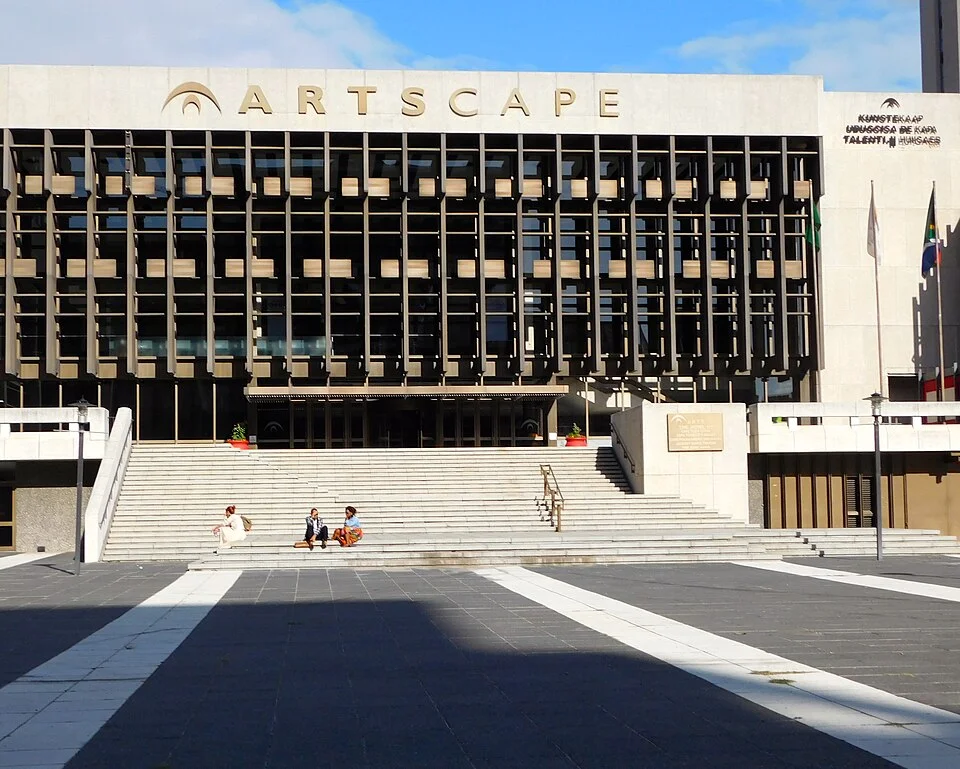
The singer’s name is the most visible one on the programme, but the history of Dumza Maswana’s Umngqungqo is full of people making musical decisions together. The production makes its Artscape debut at Cape Town’s Opera House on 31 October. It brings indigenous isiXhosa music, jazz, storytelling and orchestral arrangement into a single performance. Someone familiar with Maswana’s baritone has a good reason to listen beyond the lead line.
Artscape traces the production to 2023 and to performances in Gqeberha, East London and Makhanda, including the National Arts Festival, followed by a sold-out appearance at Johannesburg’s Market Theatre. The movement between cities is part of the story. By the time a work reaches a prominent Cape Town stage, arrangements have already been developed and presented to audiences elsewhere. The Opera House marks a new address for Umngqungqo, rather than the place where the idea began.
The people between a song and an orchestra
The National Arts Festival’s account of its presentation gives an unusually clear picture of the labour involved. It credited Sakhile Simani as conductor and Mthokozisi Mabuza as musical director, with both responsible for arrangements. In that version, a twenty-piece orchestra was joined by Makhanda’s forty-member Kwantu Choir under Kutloano Kepadisa. Those figures describe the earlier festival presentation. They give a sense of the scale of the collaboration without assuming that every tour stop fields exactly the same ensemble.
An arrangement changes what listeners can attend to inside a familiar song. A line once carried by the singer may be answered by a choir or picked out by instruments. A pause that belongs to a single performer in a small setting becomes a shared decision when a conductor and many musicians must hold it together. These are practical differences between hearing a composition on a recording and hearing it reimagined for a stage with room for a large ensemble.
The earlier festival programme also highlighted Maswana’s use of the uhadi, a Xhosa musical bow, alongside orchestral and choral elements. The combination is relevant to the work’s direction of travel. A musical tradition can provide the organising ideas for a large contemporary production as well as the sound of one of its instruments. Radio 786’s conversation with Maswana, published on 30 October ahead of Artscape, likewise puts storytelling and identity alongside the question of musical style.
A family listening at the Artscape show can therefore follow several threads at once. There is the recognisable lead voice, the contribution of the people who arrange and direct, and the journey the production has already made across South Africa. Hearing one thread need not mean losing the other two.