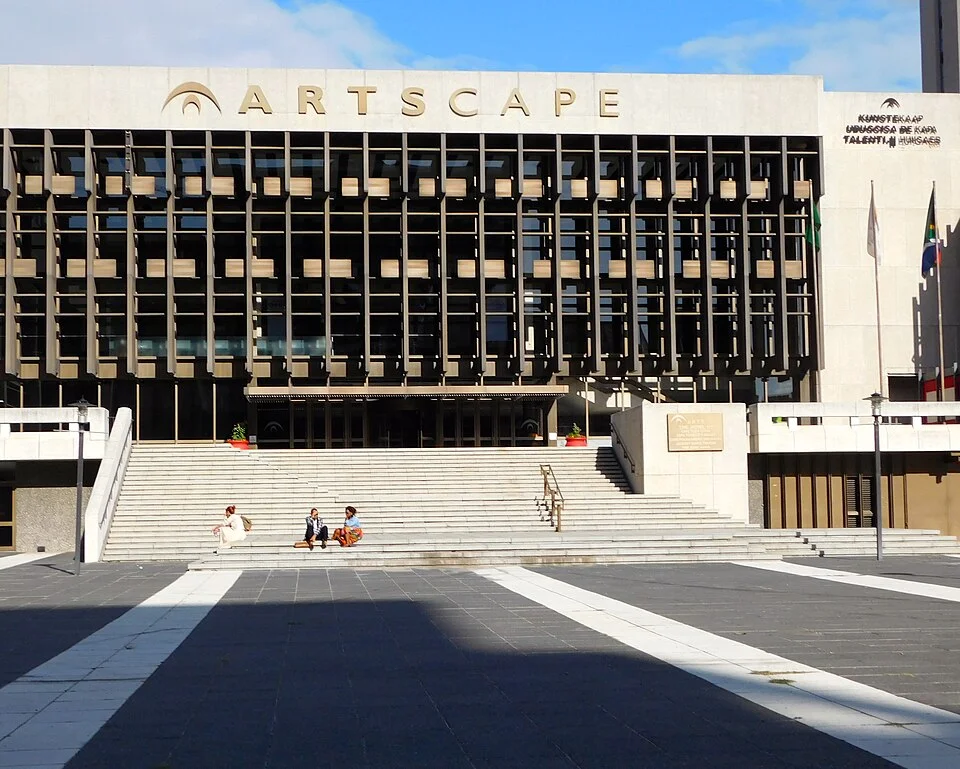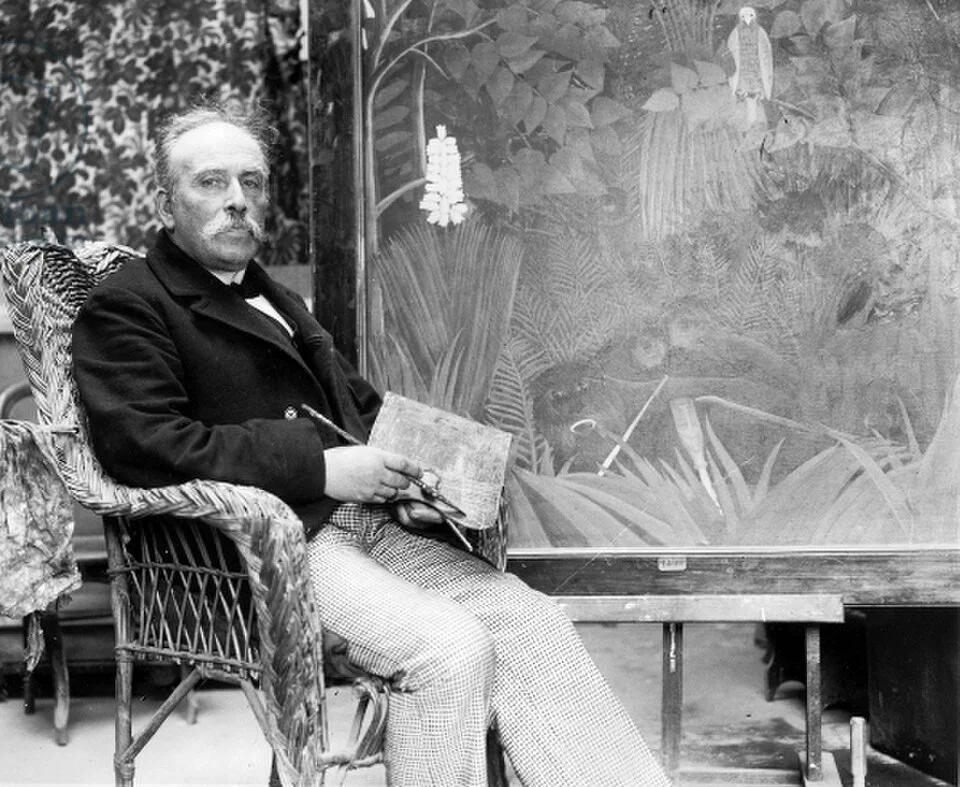
- Lady Skollie, Erin Chaplin, Teresa Kutala Firmino and Sanell Aggenbach share the exhibition.
- The artists engage with visual conventions associated with Picasso, Rousseau, Monet and Braque.
- The final day is 28 October after a three-week run at Everard Read.
Inside this story 2 perspectives
A viewer can recognise a broken-up Cubist figure or a dense painted jungle without remembering a single museum label. That instant familiarity is the material four artists have chosen to work on in Cape Town. Come Again, which reaches the final day of its run at Everard Read on 28 October, brings together Lady Skollie, Erin Chaplin, Teresa Kutala Firmino and Sanell Aggenbach.
The exhibition opened on 7 October. The gallery names Picasso, Henri Rousseau, Monet and Georges Braque among the sources the artists revisit. The invitation in the show's title sounds courteous enough on first hearing. On the second, it can sound like a request to repeat an assertion that has begun to seem rather less convincing.
Take the usual account of an artist inventing a new way of seeing. It tends to put a named maker at the centre and send everyone else towards the edges of the picture. The model, the person whose collection provided access, the person whose visual culture supplied a reference and the painter whose work never entered the museum can all move out of view. Using a recognisable artistic convention gives another artist a chance to test that arrangement from inside it.
Four ways of borrowing
The artists bring different habits to the encounter. Erin Chaplin moves between still life, portraiture and abstraction, often returning to flowers and fruit. In an exhibition about inheritance, the modest subject of a still life can ask a pointed question. When do we look at the artist’s choice of objects, and when do we let our recognition of a genre do all the looking for us?
Teresa Kutala Firmino works across painting, photography and performance, drawing on archival materials as well as memory and imagined scenes. Lady Skollie uses drawing, printmaking and performance, with humour an important part of her work. Sanell Aggenbach has repeatedly returned to recognisable images from art history through painting, sculpture and print. A group exhibition allows those approaches to sit in proximity without assigning a single method or subject to four artists.
What recognition leaves out
The gallery describes a deliberate engagement with the authority accorded to Modernism and the positions women were assigned in its histories. Recognition can be a surprisingly effective way into that subject. The moment a visitor thinks of Picasso, for example, is also a moment to ask which visual cue produced that association and why another name did not come to mind as readily.
For someone following the exhibition from elsewhere, the installation record offers another way to approach it. Look first for a form that seems familiar, then read the name of the person who actually made the work in front of you. The distance between those two acts of recognition is part of what these four artists have brought into the room.