- Six selected working copies are being shown on 6 and 7 September.
- Industry meetings are scheduled for 8 September.
- In-kind offers specify hours, facilities and which professionals are included.
Inside this story 2 perspectives
Six films at Venice have come to the festival before their makers are ready to call them finished. Final Cut in Venice scheduled rough-cut screenings for 6 and 7 September and one-to-one meetings for 8 September. Its audience includes distributors, producers, festival programmers and post-production companies. They have been invited to consider what each film could become with the time, money or facilities still missing.
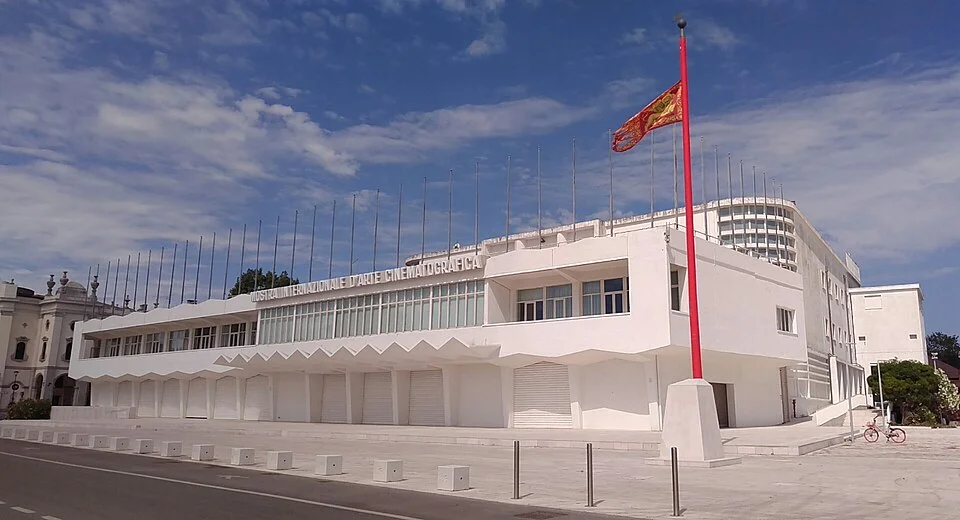
The fourteenth edition is part of the Venice Production Bridge, the festival's industry programme. Since 2013 the initiative has supported filmmakers from across Africa as well as Iraq, Jordan, Lebanon, Palestine, Syria and Yemen. A selection here gives a working copy a room of potential partners. It does not turn that copy into a commercial release or tell the director which international audience will ultimately see it.
What a working copy can show
The first day's programme included Machérie Ekwa Bahango's Madi Makambu, a collaboration involving the Democratic Republic of Congo, France and Belgium. Its story follows a couple whose relationship changes when Madi gives birth to a child her partner did not father. Abraham Gezahagne's Mehal Sefari follows an ambulance driver in Addis Ababa in 1977 who finds his own son among the dead. The two premises show how little a shared financing programme says about a filmmaker's choice of subject.
The selection also includes work by Sofia Djama, Alaa Eddine Aljem, Bassel Ghandour and Youssef Chebbi. Presenting a rough cut lets professionals consider a performance, a sequence or the rhythm of a scene that no synopsis can fully convey. It also asks them to imagine the same scene once editing, sound and colour work are complete. That second task makes the occupation of the person in the audience unusually important.
A day in a studio has a price
The Biennale lists a €10,000 prize for a film in post-production. Partners offer other forms of support with quite different terms. The published list includes colour correction from a Rome studio, with a cap on hours and a technician included. A sound-mixing offer in Ajaccio specifies a maximum number of days and excludes the sound mixer. A producer comparing those offers would want to know which specialist must still be hired and how much work can realistically fit inside the allotted time.
For a film with editing nearly complete, that distinction might decide whether a project can use the award at all. A cash figure is easier to compare than access to a particular studio, yet an available room and the right professional can settle a very specific production problem. Venice's meetings are designed to give each team a chance to identify those missing pieces. As the screenings continue, the awards and any eventual release dates remain ahead of the six films.