- Liverpool’s public walk is scheduled to start at noon in Williamson Square.
- The 23 August commemoration recalls the 1791 uprising in Saint-Domingue, now Haiti.
- Young people developed a performance for the route during a week of workshops.
Inside this story 2 perspectives
Liverpool's public Walk of Remembrance has a meeting point any resident can find without a museum ticket. The route is scheduled to begin at noon today in Williamson Square, pause at city landmarks and end with a masquerade and libation at the waterfront. The walk closes a week of events organised around Slavery Remembrance Day while the city's International Slavery Museum is closed for redevelopment.
The choice of date gives the procession a different starting point on the other side of the Atlantic. On the night of 22 to 23 August 1791, enslaved people rose up in Saint-Domingue, in what is now Haiti. UNESCO chose the date to remember the transatlantic slave trade and its abolition. Beginning with that uprising places people who fought for freedom at the centre of a history often told through acts passed by European legislatures.
A performance made by young people
A new part of Liverpool's programme this year gave participants aged 12 to 19 a role in shaping what the public would see. In partnership with The Black-E, a summer school devoted five days to movement and performance. It invited young people to work with their own experiences of identity, inheritance and growing up. The resulting performance was written into the plan for Sunday's walk.
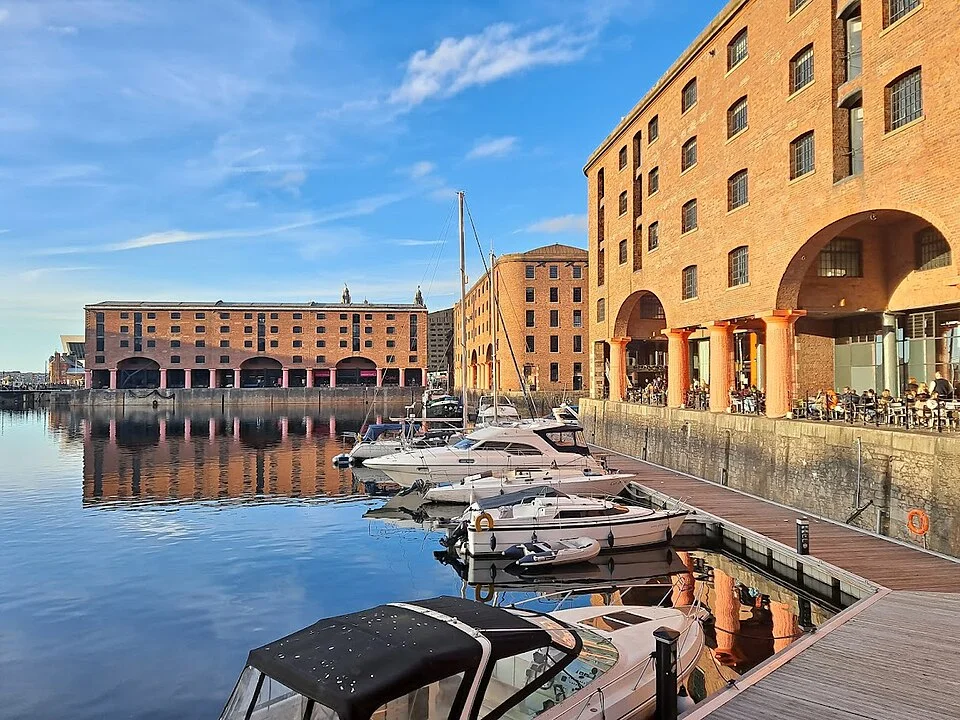
A street procession asks something unusual of its audience. People can follow it from one stop to the next, arrive for a particular performance, or encounter it during an ordinary trip through the city. The waterfront finish gives the gathering a direct relationship to the port through which Liverpool built its involvement in the slave trade. The libation there honours ancestors. It also leaves room for forms of remembrance that a collection label or lecture cannot convey.
Research with a public address
The programme extends from performance into the work of recovering records. Its Sunday afternoon schedule includes the launch of a community research pilot called Overwriting – Underwriting. The larger Connector Project, funded by Lloyd's Register Foundation, supports communities researching the history and consequences of transatlantic slavery. Its £1 million allocation is for the wider initiative.
The annual memorial lecture, meanwhile, carries the name of Dorothy Kuya, the Liverpool educator and anti-racism campaigner. Cultural historian Anita Gonzalez was invited to explore how performance and memory work across African diasporic communities. Those strands of the programme have different lives after the walk. A public performance ends, a research group can follow a document for months, and the name attached to an annual lecture brings a local educator back into the conversation each year.