
Money & Wealth
The Price of Rice
Indian export prices rose. How quickly does a shopkeeper in West Africa feel it?
Indian export prices rose. How quickly does a shopkeeper in West Africa feel it?

The Reserve Bank’s narrow vote to hold at 7.25% offers breathing room, without promising that the next move will be down.
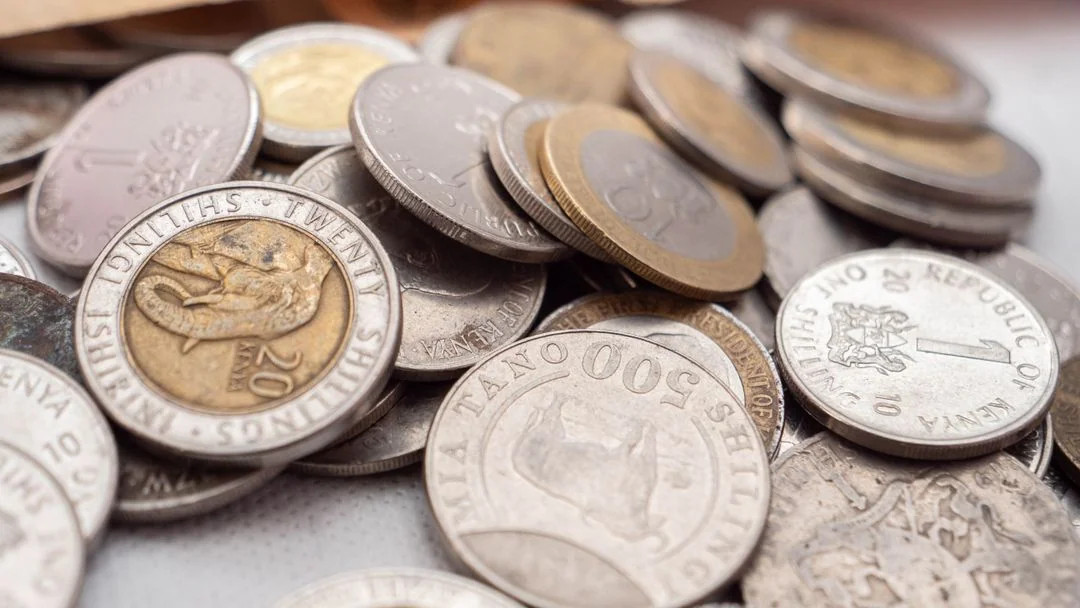
Kenya’s latest auction attracted KSh 44.1 billion in bids. For a saver looking at the 91-day bill, the price per KSh 100 tells a clearer story than the annual interest rate alone.

Investec’s adjusted operating profit rose 5.6% in sterling and just 0.3% at constant exchange rates. Its interim results give South African shareholders two ways to read the same business.

Canada and China are preparing a rehearsal for their central banks. It reveals the practical work behind efforts to give businesses more ways to settle a cross-border bill.

Home Depot’s sales rose 4.9% in its third quarter. Behind that figure, larger receipts, professional customers and a handful of expensive purchases tell a more revealing story.
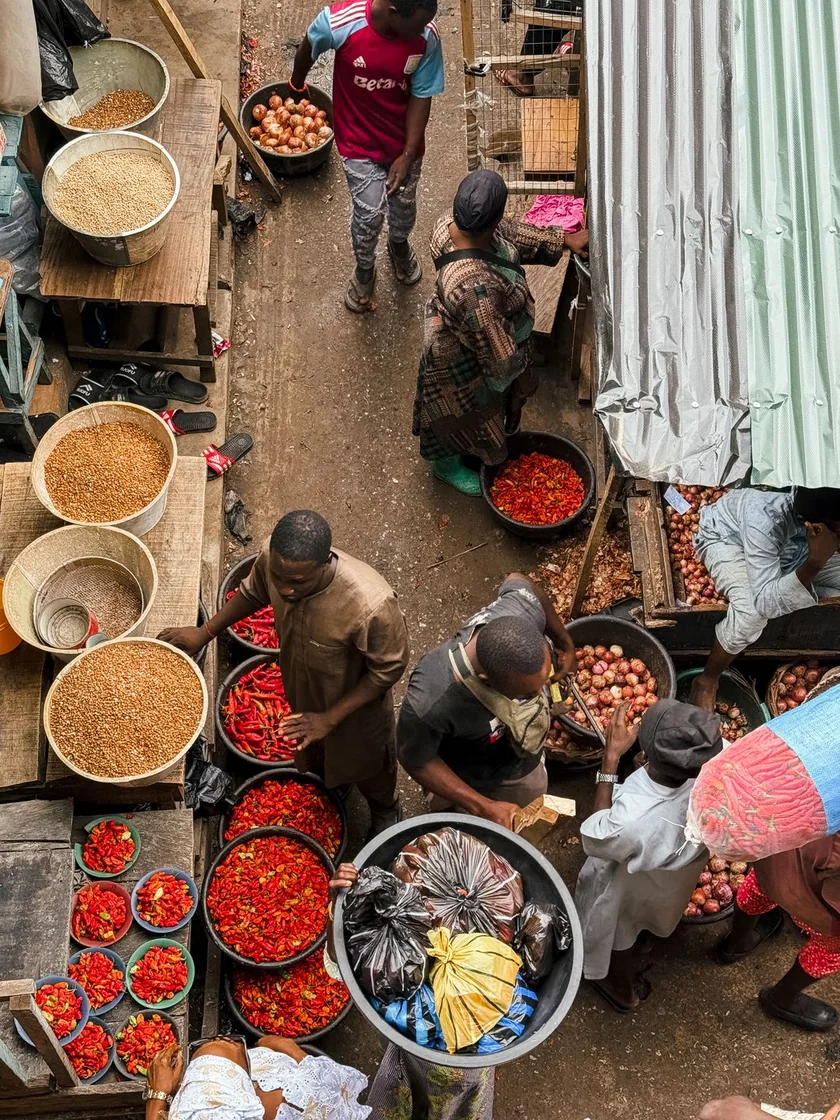
Nigeria’s food basket got cheaper for a second month, even as it cost 19.13% more than a year earlier. The difference matters for families sharing a grocery bill across borders.

The IEA sees the global oil balance moving back towards surplus. Tight diesel supplies and vulnerable shipping routes explain why the benefits may reach businesses and households at different speeds.

The first estimate of summer output shows stronger growth, especially in services. A household sending money abroad has a different set of numbers to follow.

Eurostat’s flash estimate puts quarterly growth at 0.4% and employment flat. To say what happened to productivity or wages, a reader needs more than those two numbers.
A quarter-point move to 6% reflects concern that energy costs will reach prices well beyond the petrol pump. The household inflation basket offers a second view.

The Reserve Bank of India is asking people in 19 cities what they expect prices to do. Two neighbours with different shopping lists can give different and equally informative answers.
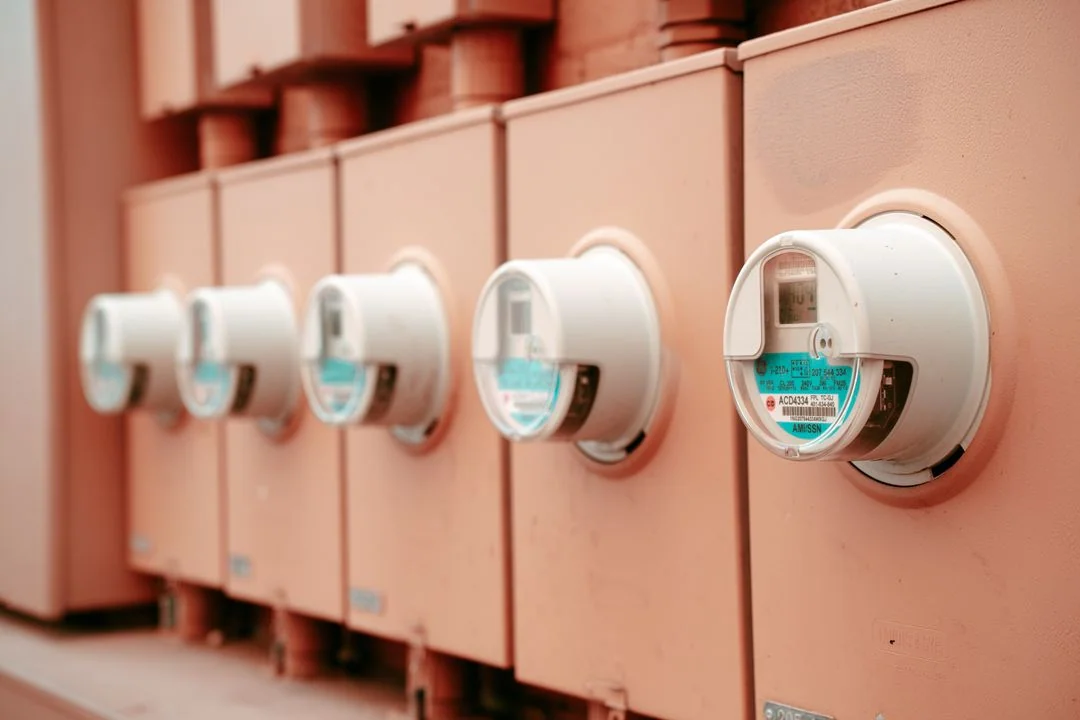
Mexico’s October consumer prices rose 0.65% in a month. Households can trace part of that number to a change in the price of electricity.
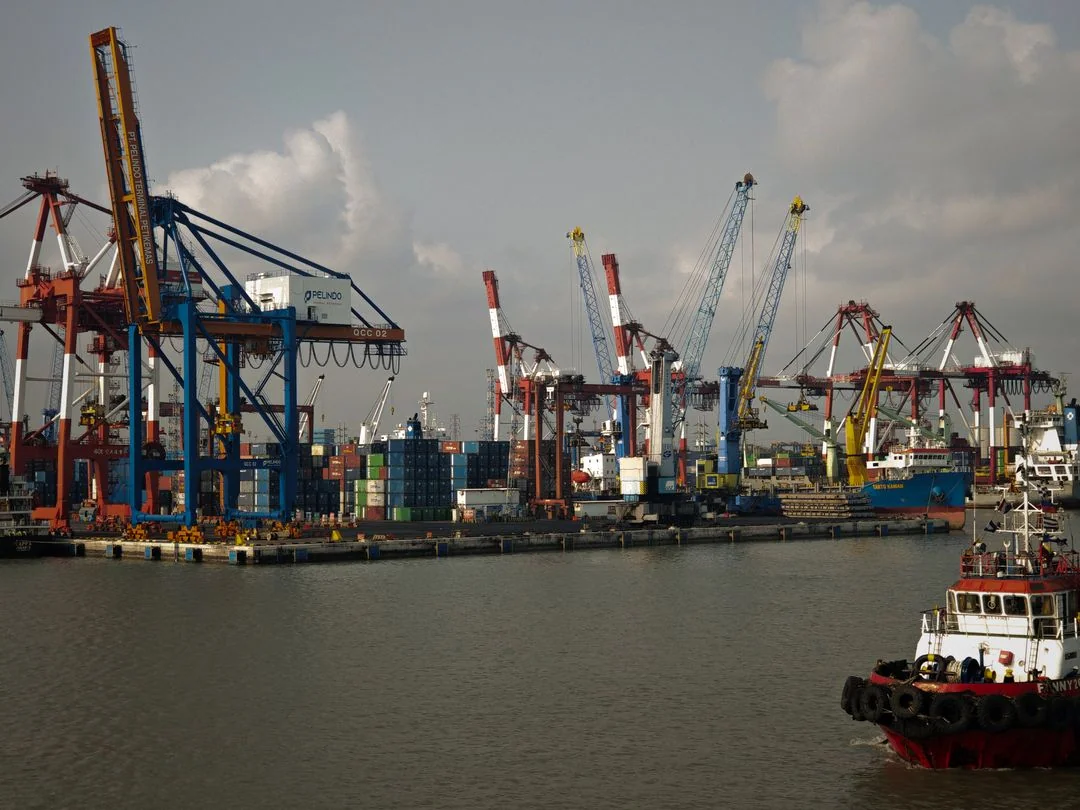
The October total of US$146.8 billion becomes easier to interpret when it is expressed in months. The central bank reports two versions of the answer.
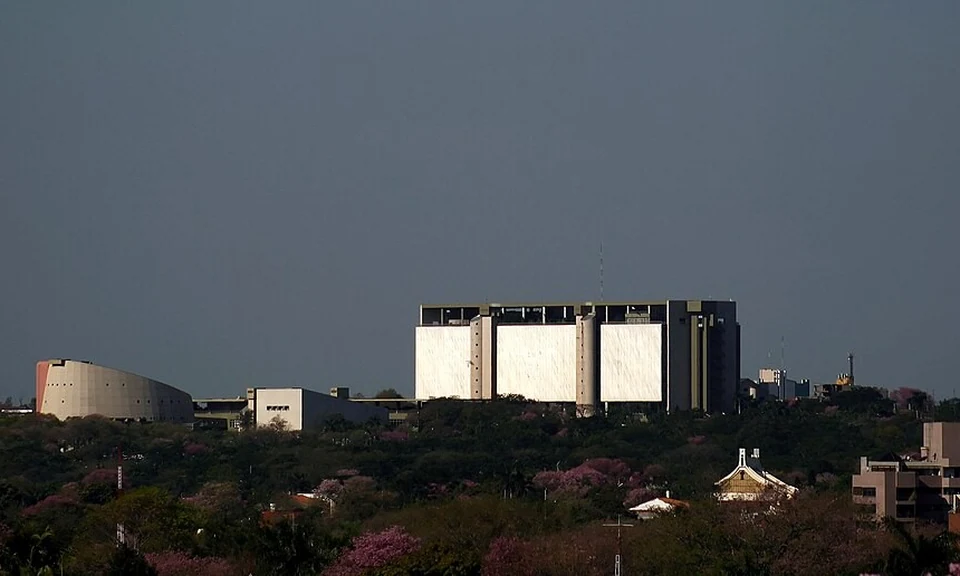
A 100,000-guaraní note with two musicians on it joined the old design after demand for cash rose. For a Saturday till, recognising both is the job.

Clothing prices rose 11.14% in a month while electricity fell 18.17%. The price of the average consumer basket barely moved.

The Treasury’s November rate for Series I bonds combines a lifetime fixed component with a changing inflation component. Two different six-month periods help explain what a buyer actually gets.
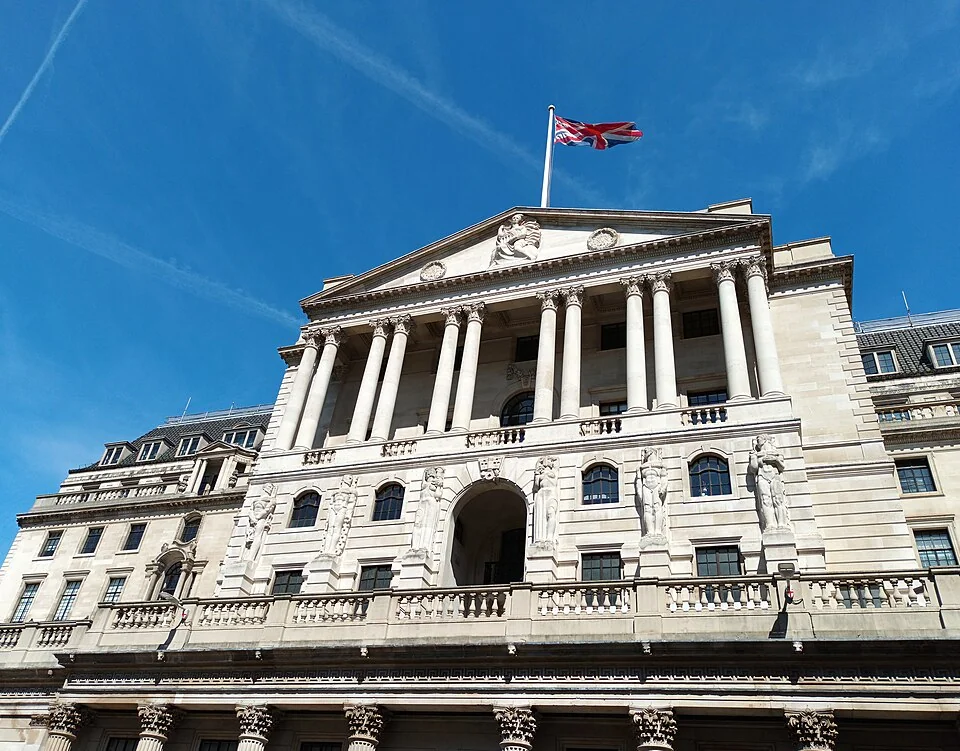
All nine committee members favoured a rise. Their disagreement concerned how much insurance to take against persistent inflation.

The Reserve Bank lifted its target to 4.85%. For a household with part of its loan fixed and part variable, the balance on each portion matters to the immediate calculation.

The 12-month average in Türkiye’s latest price release was 31.23%. That is the figure relevant to an ordinary annual lira lease renewal.

Central banks, funds and jewellery customers do not buy for the same reasons. The latest quarterly data makes that distinction hard to ignore.
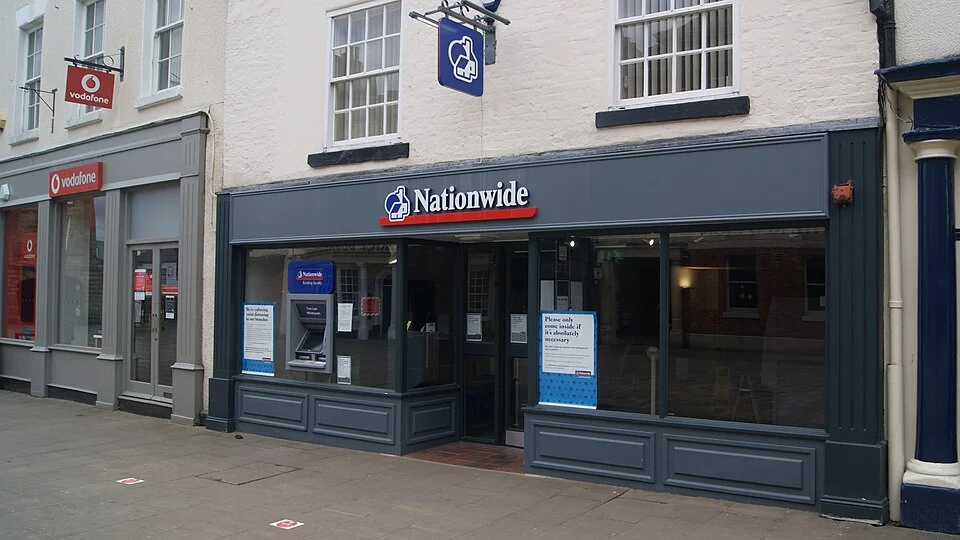
Nationwide’s October report shows no monthly price change after seasonal adjustment. Its published average moved from £274,251 to £273,566. The two rows answer different questions.

The November Savings Bond was undersubscribed. Its allotment shows how a ceiling on one person’s total holdings continues to apply even when there is plenty of room in the issue.

The Bank of Namibia has raised its repo rate to 7% and puts the resulting prime rate at 10.5%. The impact of the decision depends on the words in a borrower’s agreement.