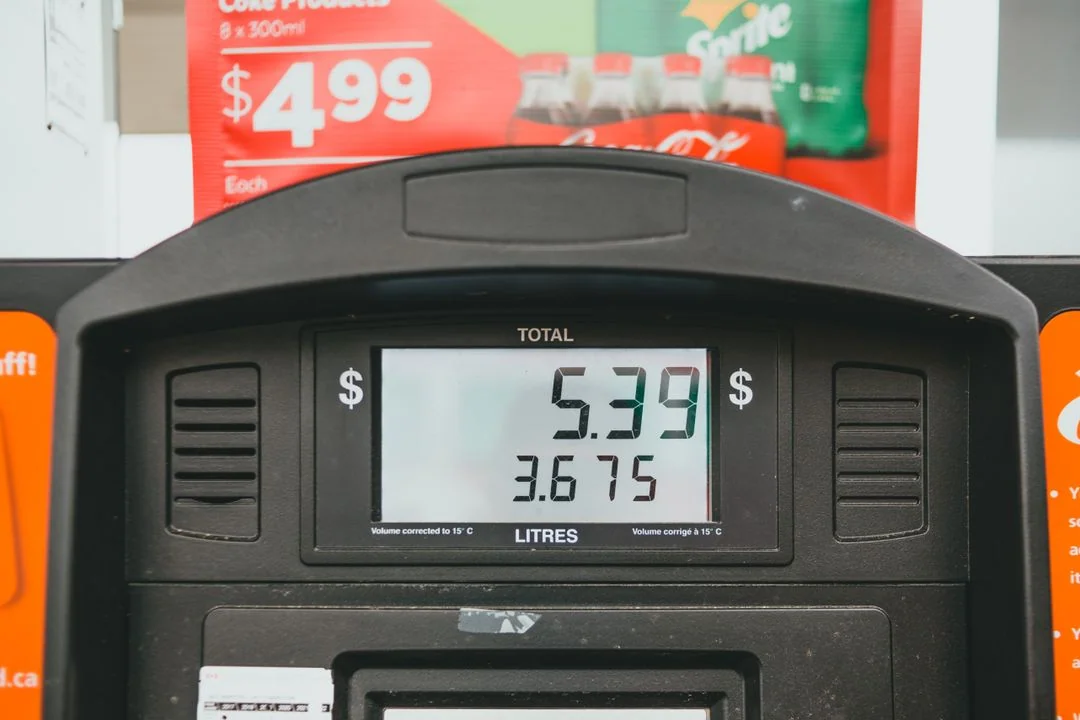
- The IEA’s projected fourth-quarter oil surplus is an outlook, not a promise of immediate retail fuel-price reductions.
- Its November report identifies continuing diesel tightness and shipping risks despite the recovery in Gulf exports.
- The implications for African firms differ according to their actual energy purchases, sales and operating exposure.
Inside this story 2 perspectives
The global oil story has acquired a more encouraging supply signal, although it offers no simple promise about the next fuel bill. In its November report, published on 13 November, the International Energy Agency projected that the market would return to surplus in the final quarter of 2026 as Gulf exports recovered.
Reuters reported the agency’s estimate of a fourth-quarter surplus of around 1.7 million barrels a day. That is a forecast of the balance between supply and demand, not a guarantee that every market will have readily available fuel at lower prices. The IEA also warned that attacks on shipping threaten the recovery.
The composition of inventories helps explain the distinction. The agency recorded a 52-million-barrel increase in observed global oil stocks during October, while oil held on water rose by 86 million barrels and on-land stocks continued to decline. At the same time, it identified tight supplies of refined products, particularly diesel, as a continuing concern. Dpa’s reporting, published by Die Welt, also emphasised this uneven recovery.
Follow the cost to its destination
Beyond Business’s interpretation is that the useful financial question is how a change in the international oil balance travels through a particular business or household. A headline about crude supply describes an important input. It does not, by itself, describe the full delivered cost of transport, electricity generation or a finished product.
Consider a logistics company discussing next quarter’s rates with a customer. The relevant number is the fuel it can obtain for its fleet under the terms it actually faces. A favourable global forecast may improve the conversation, but it does not settle the invoice. That gap can become especially visible when the price of a refined product behaves differently from crude.
The same distinction matters when a company explains its costs to customers. Treating all energy movements as interchangeable makes the explanation less useful. A clear account separates the market assumption from the expense being charged, the period covered and any adjustment mechanism. It gives both sides something concrete to assess.
Africa has more than one exposure
There is no single African business response to an oil-market shift. The implications depend on whether a company produces energy, buys fuel, transports goods or sells into an economy whose public finances are sensitive to energy revenues. Even within one market, a transport operator and an energy supplier may read the same headline differently.
This is a framework for interpreting the news, rather than a prediction about a currency, a listed company or a household’s next purchase. It also explains why a global surplus can coexist with pressure in individual supply chains: the broad balance and the local experience answer different questions.
The report provides a reason to revisit the assumptions behind cost discussions. It does not establish that the disruption is over. The evidence to watch is whether recovering exports translate into accessible refined products and steadier deliveries. That is where an improving global balance begins to acquire a practical meaning for the people paying the bills.