Money & Wealth
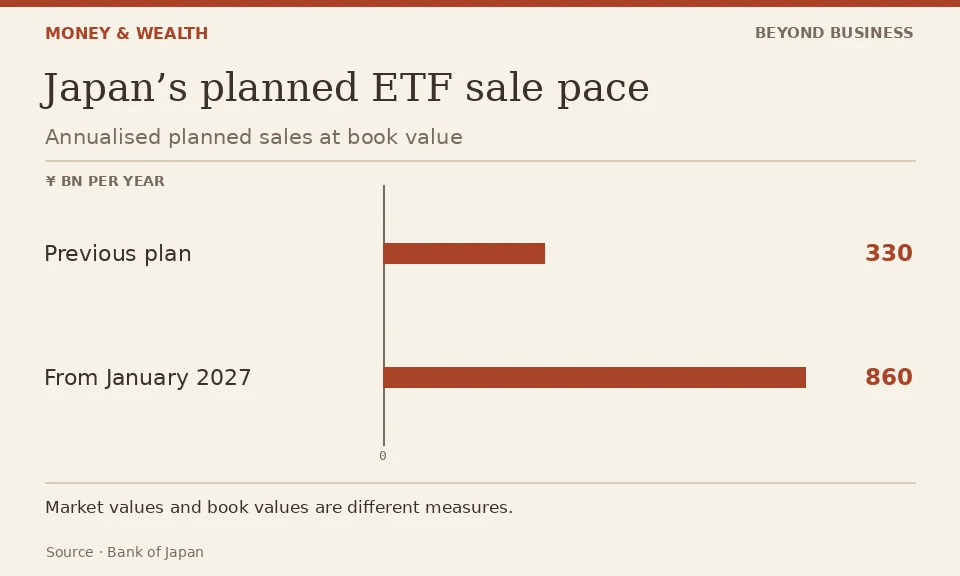
Japan held its overnight rate and increased the pace of a different kind of tightening
Alongside its 1.25% rate decision, the Bank of Japan set a faster future pace for sales of the exchange-traded funds it owns.
Alongside its 1.25% rate decision, the Bank of Japan set a faster future pace for sales of the exchange-traded funds it owns.
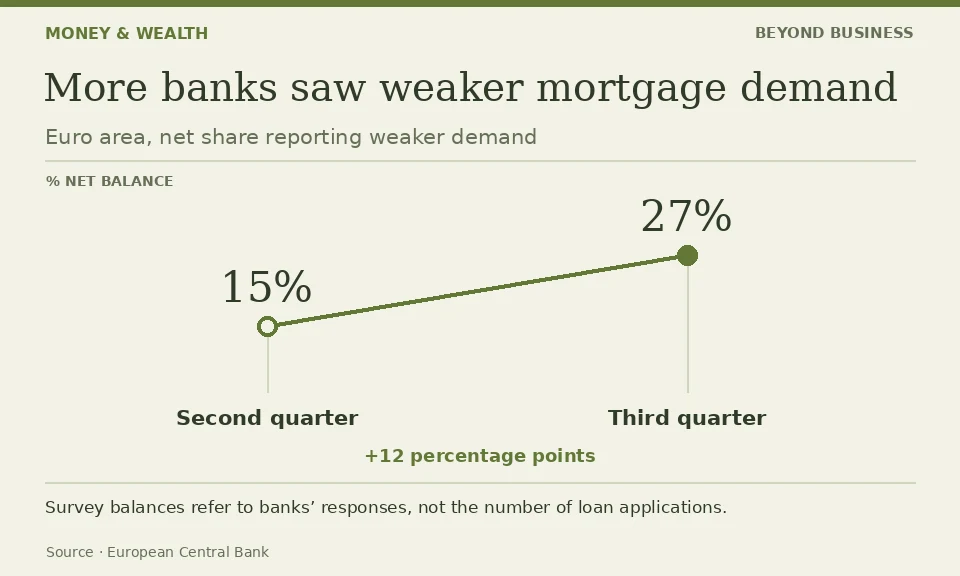
An ECB survey finds a sharp fall in housing-loan demand. The figures distinguish what households wanted from the rules lenders used and the terms borrowers were actually offered.
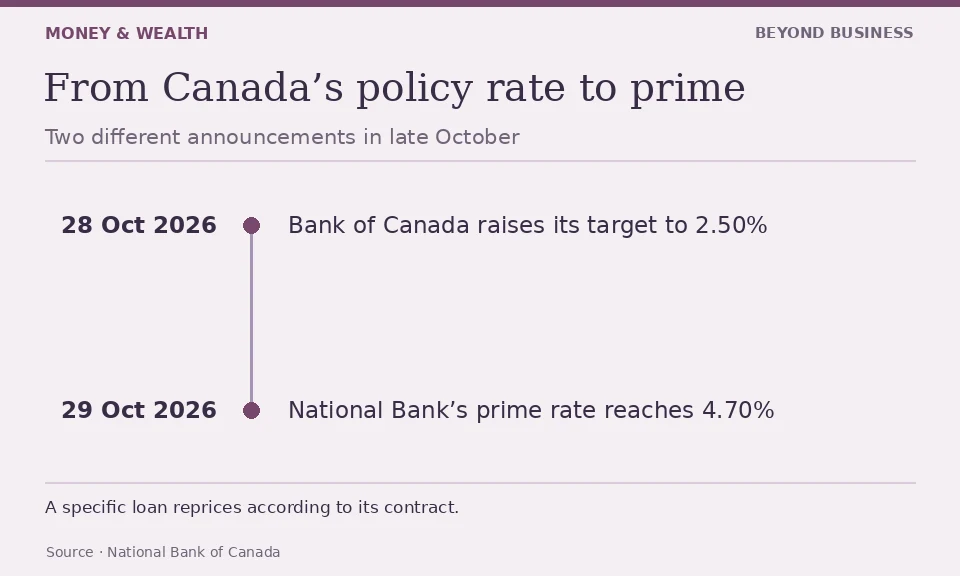
The Bank of Canada raised its policy rate to 2.5%. National Bank’s separate announcement shows how a central-bank decision can reach a variable-rate borrower.
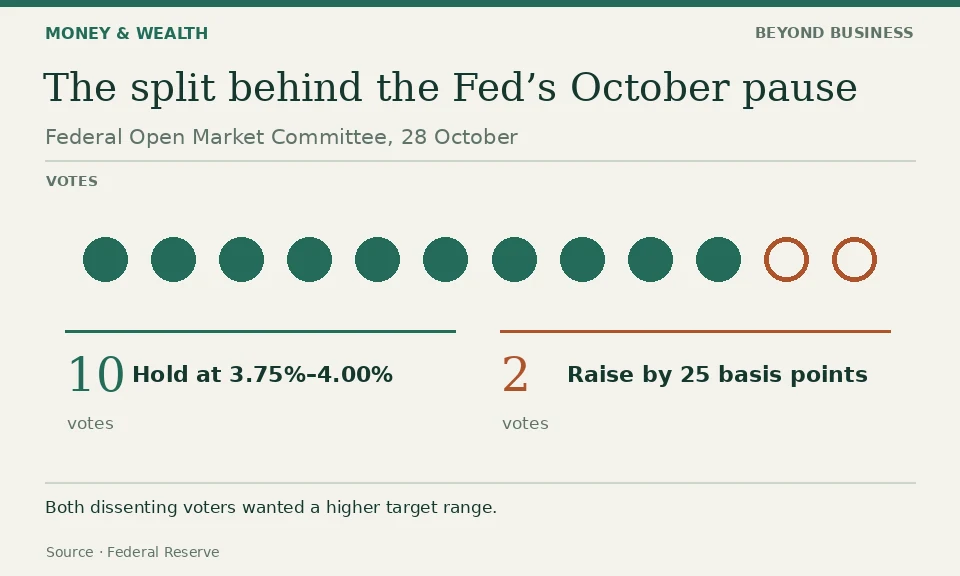
An unchanged US interest rate offers a moment to reassess financing assumptions. It is not a promise that cheaper money is on the way.
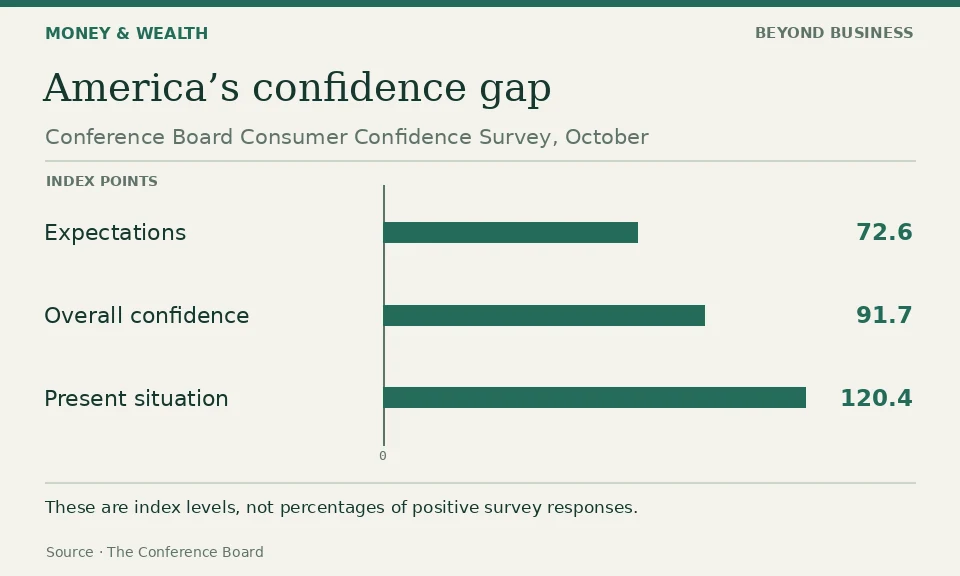
The Conference Board’s October survey shows how a brighter view of current conditions can coexist with weaker spending intentions and continued concern about grocery bills.

AIB’s timetable for 26 October gives different answers for standard and instant transfers. The type of instruction, the sending bank and even the time of day can change the outcome.
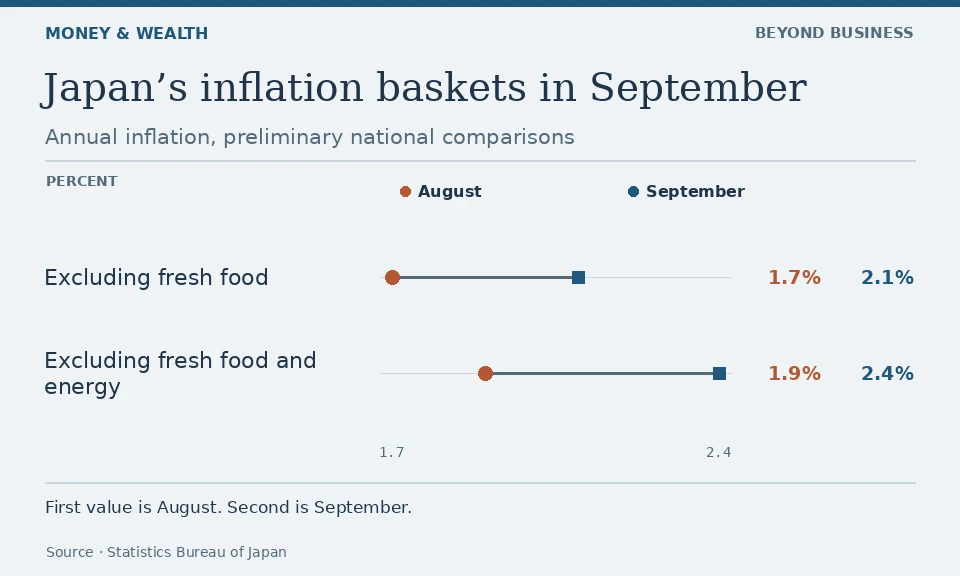
September’s figures put two measures at 2.1% and a third at 2.4%. The distinction comes from what each measure leaves inside the shopping basket.
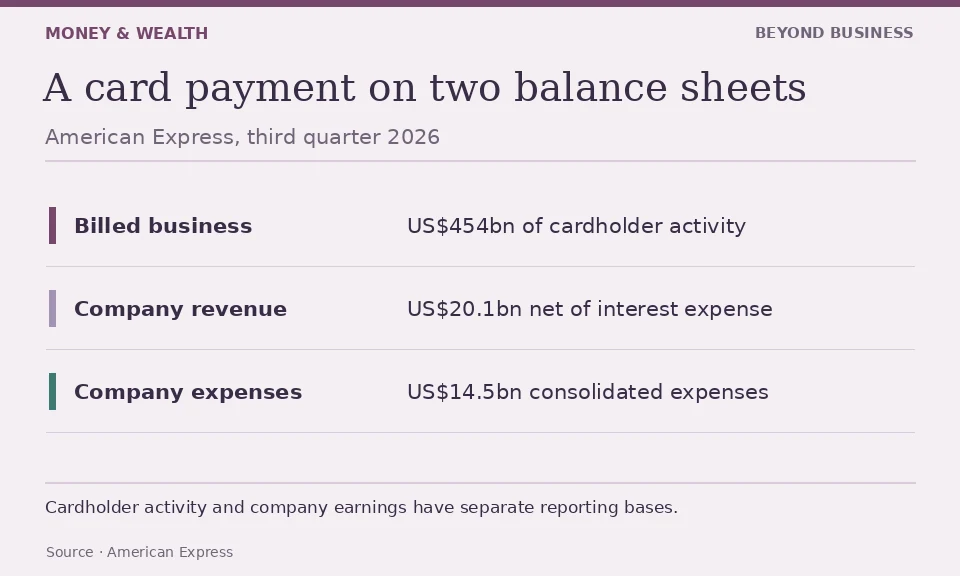
The quarter’s card spending, company revenue and credit provision measure three different sides of the same business.
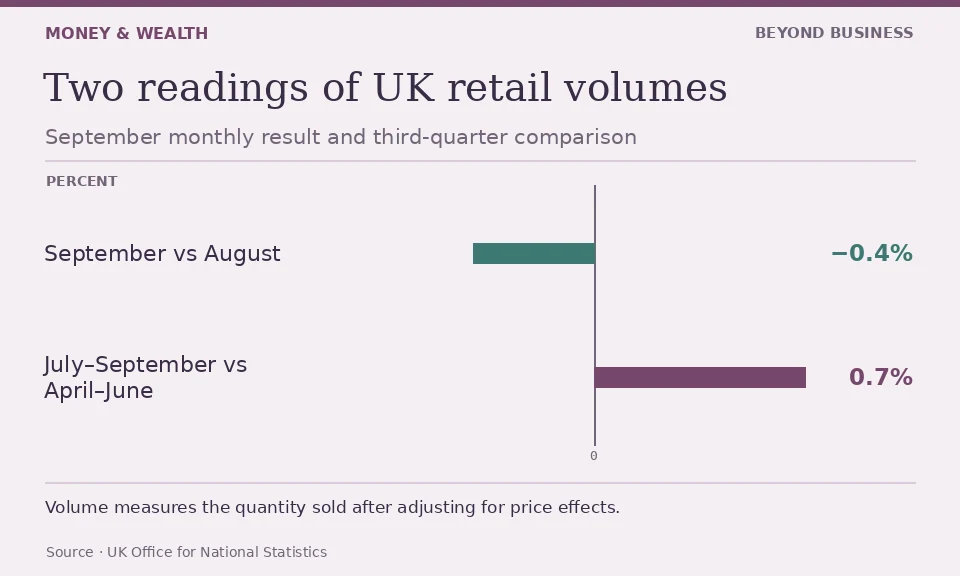
Warm weather helped food and drink sellers over the summer and worked against autumn clothing in September. Two different comparisons explain the apparent contradiction.
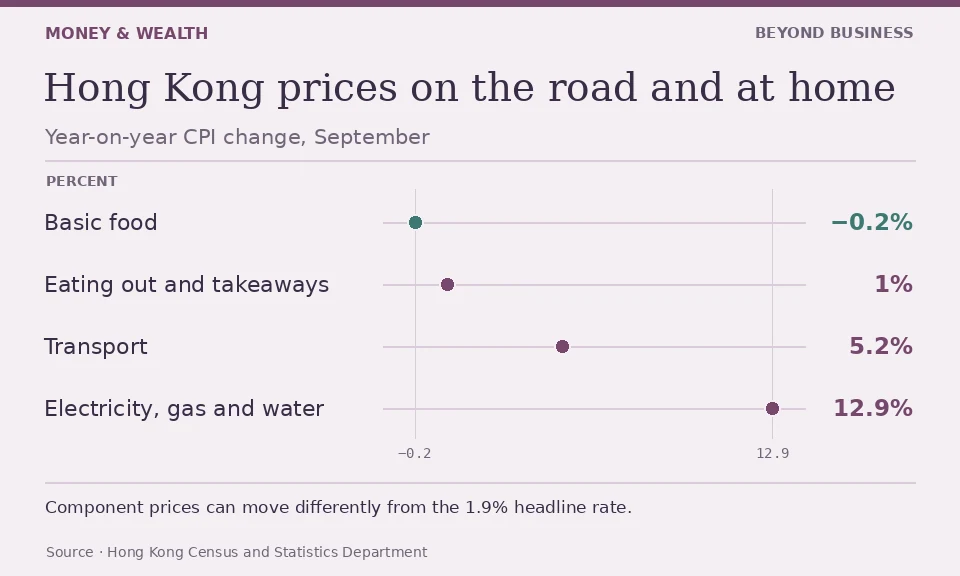
Consumer prices rose 1.9% over a year. The household experience depended in part on how much of the budget went to travel, utilities and meals.
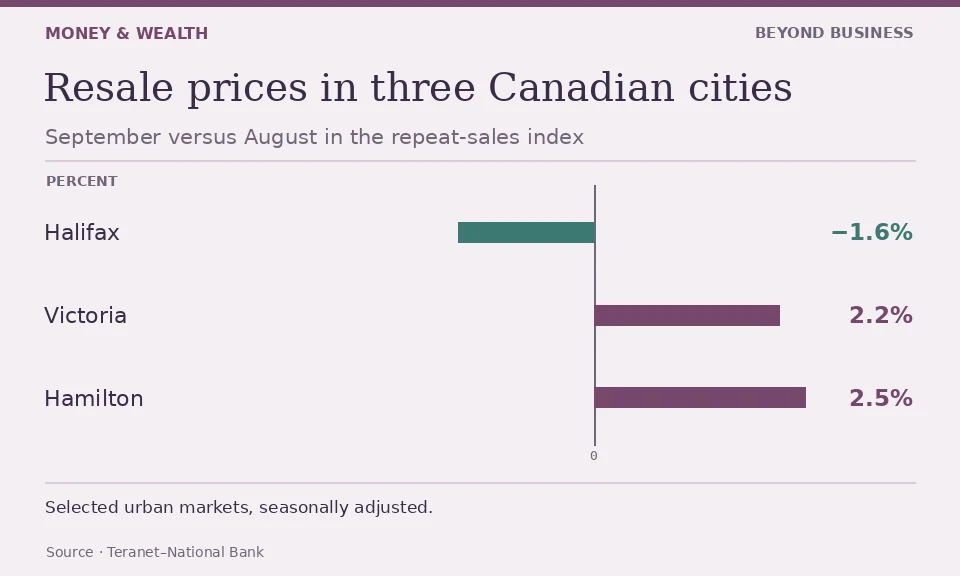
A repeat-sales index compares the same properties when they change hands again. September’s small composite rise hides a drop in Halifax and gains in Hamilton and Victoria.
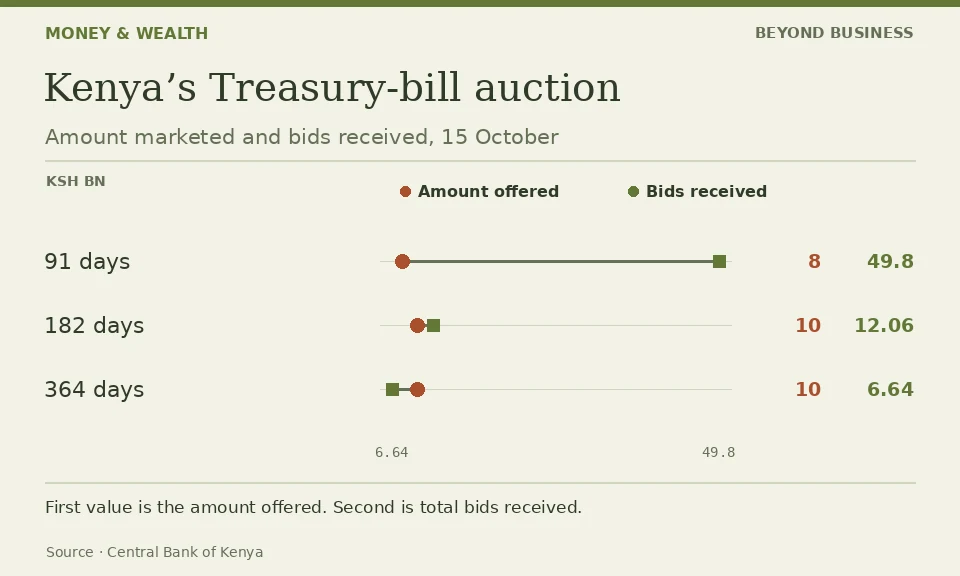
The central bank’s 19 October issue placed far more short-dated paper than initially offered. The same auction drew a smaller response for bills maturing in a year.
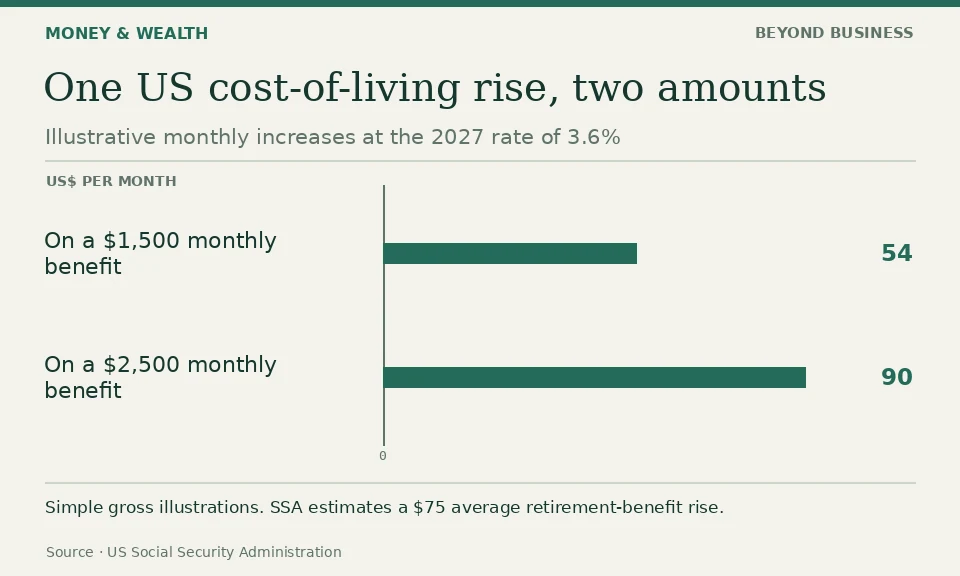
The US Social Security Administration has announced a 3.6% adjustment for 2027. The dollar figure on an individual notice depends on the starting benefit and any deductions.
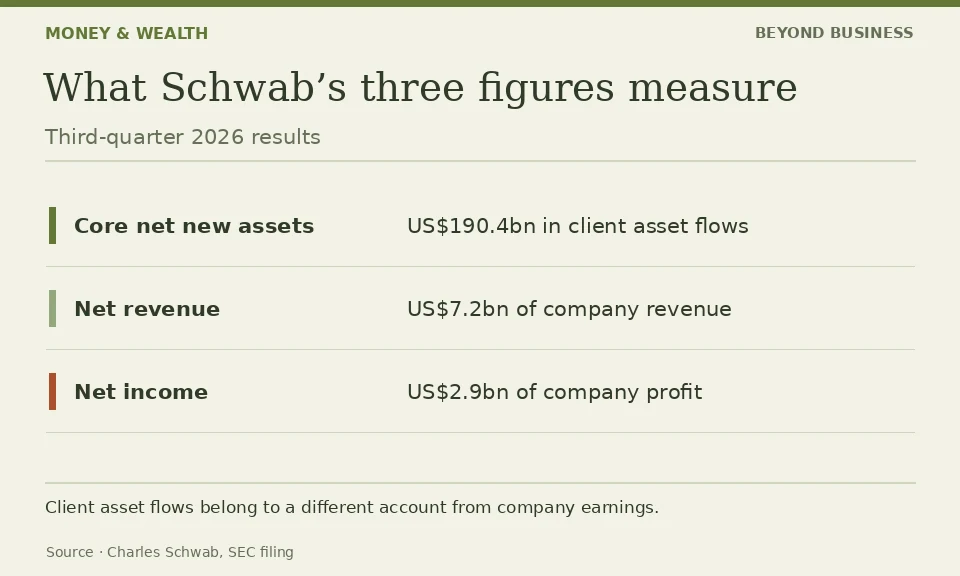
The brokerage reported record flows and earnings together. One figure belongs to clients, and the other appears on the company’s income statement.
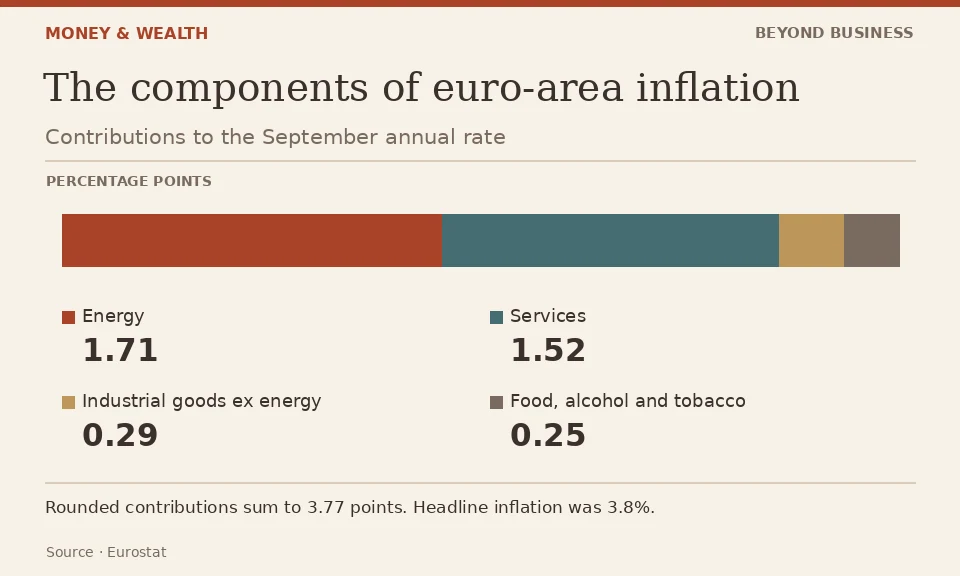
Energy prices rose 18.9% over the year while services rose 3.2%. Their contributions to the euro area’s September headline were much closer than those price changes suggest.
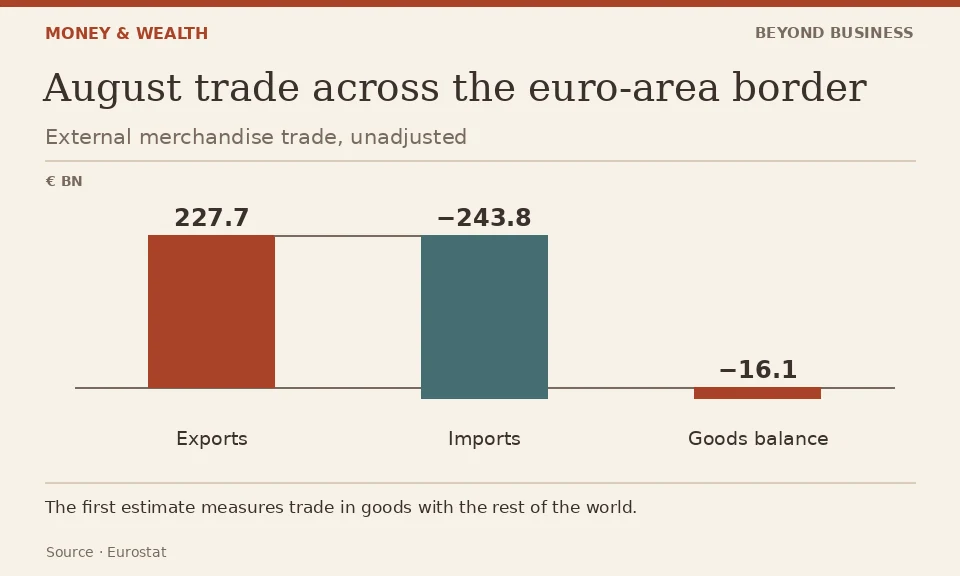
Eurostat’s first August estimate put the goods shortfall at €16.1 billion. Faster growth in imports and weaker balances for machinery and energy explain how exports could rise at the same time.
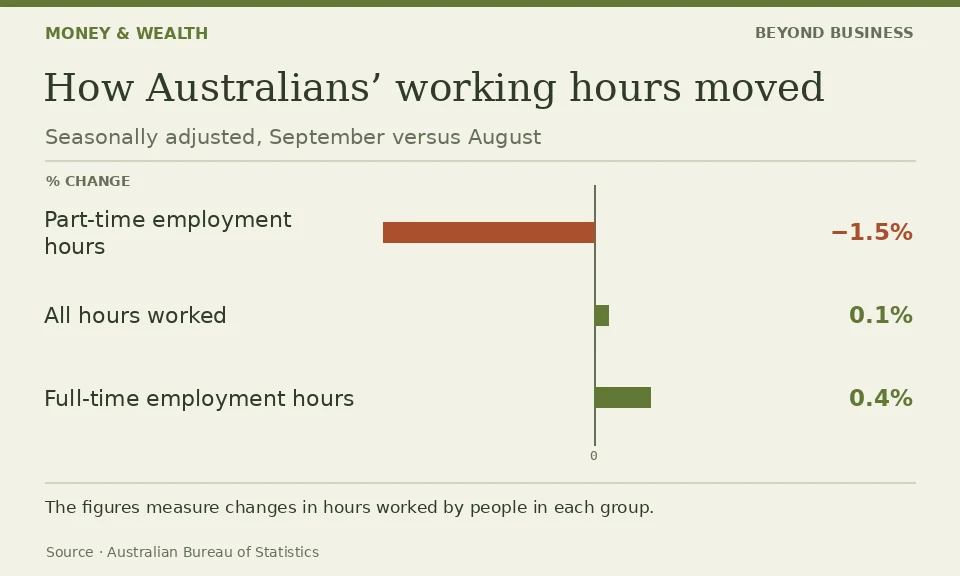
Employment fell by 39,300 while total hours edged up. The labour survey shows why a headcount can conceal a sharp difference between full-time and part-time work.
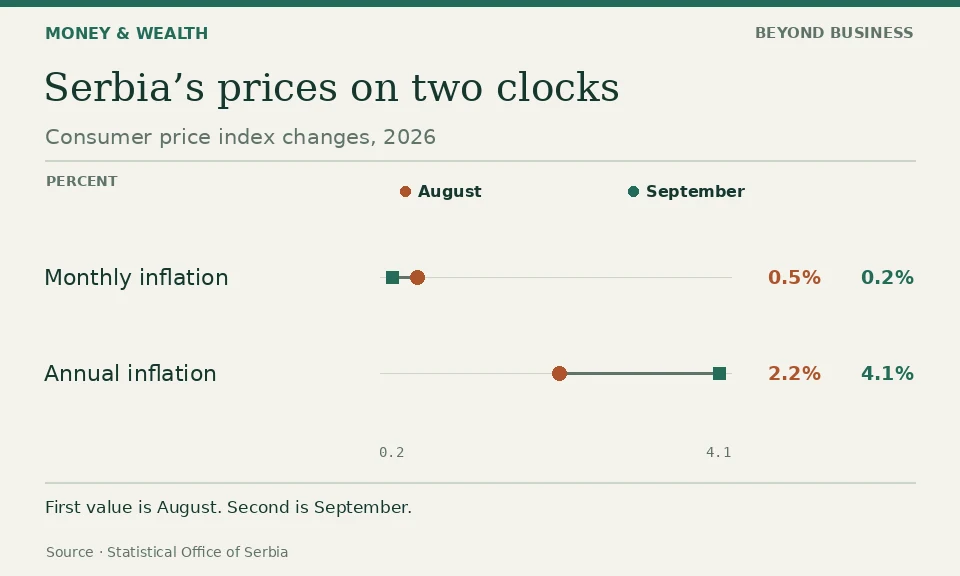
September’s 4.1% annual reading includes the effect of a fall in prices a year ago. Serbian households also faced fresh increases in the cost of food and fuel.
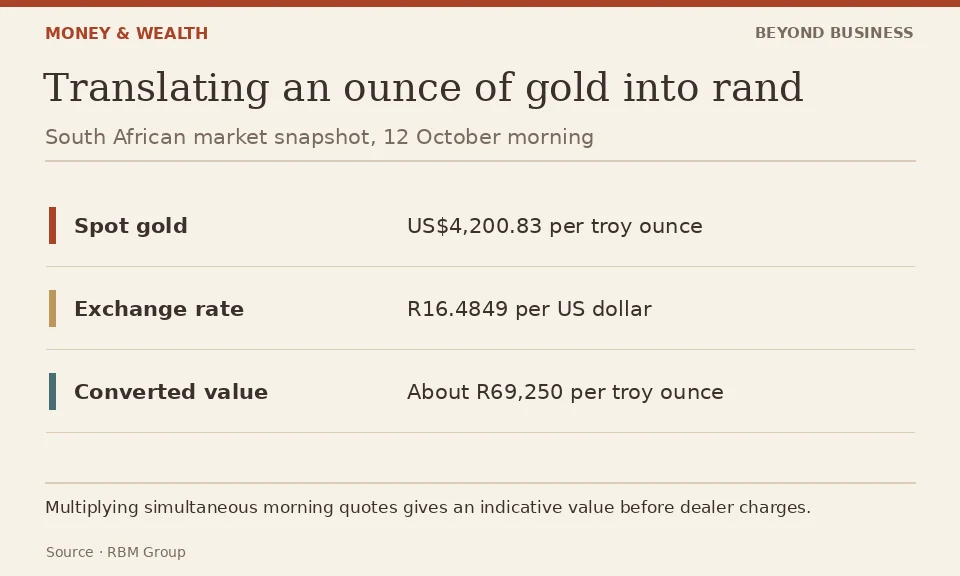
Bullion gave up an early rise on 12 October. For a South African following the market, the exchange rate added a second moving part.
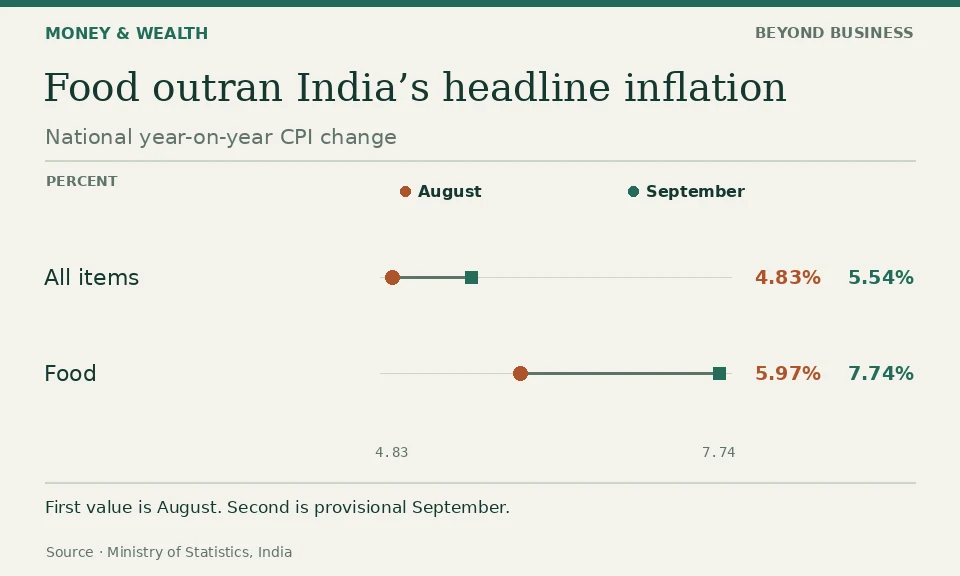
The same market basket included sharp annual increases for some ingredients and falling prices for others. The weight attached to an item helps explain the headline.
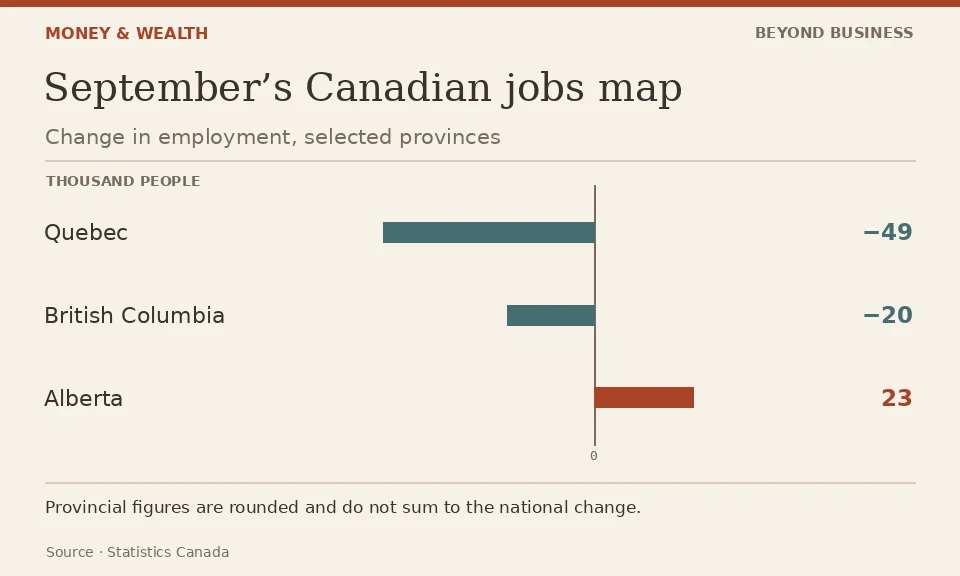
September’s labour survey shows why a national wage number can rise even as some households lose paid work. The figures use different time periods and measure different people.
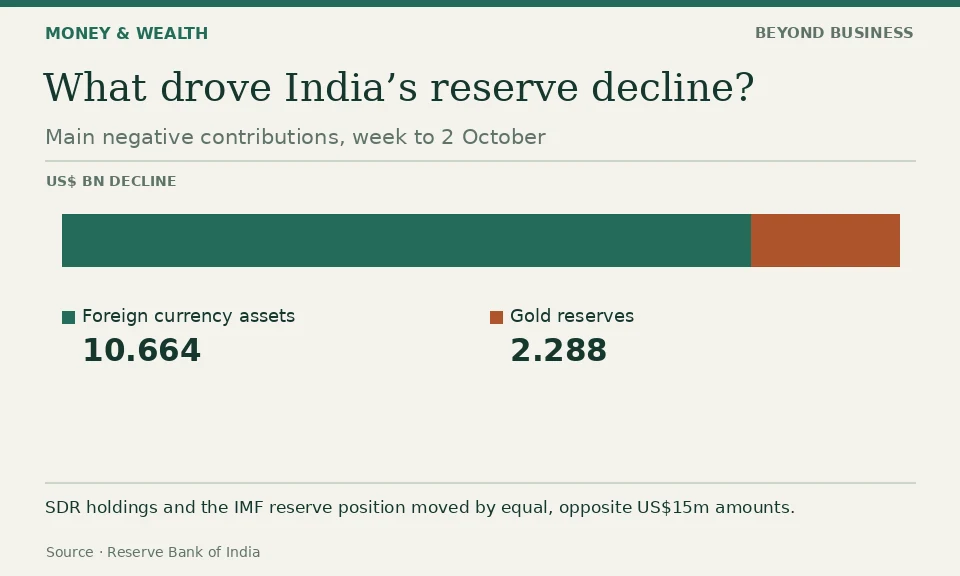
Foreign currency assets and the dollar value of gold both fell in the week to 2 October. The Reserve Bank of India’s release measures changes in a balance, including valuation effects.
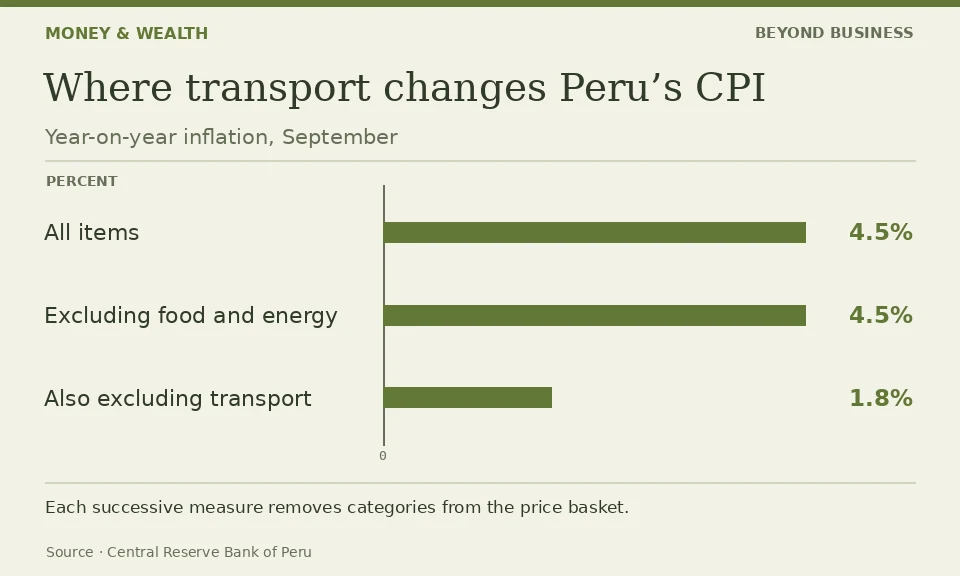
Peru has held its reference rate at 4.25%. Removing food and energy from the inflation measure still leaves the effects of earlier fuel increases in transport fares.
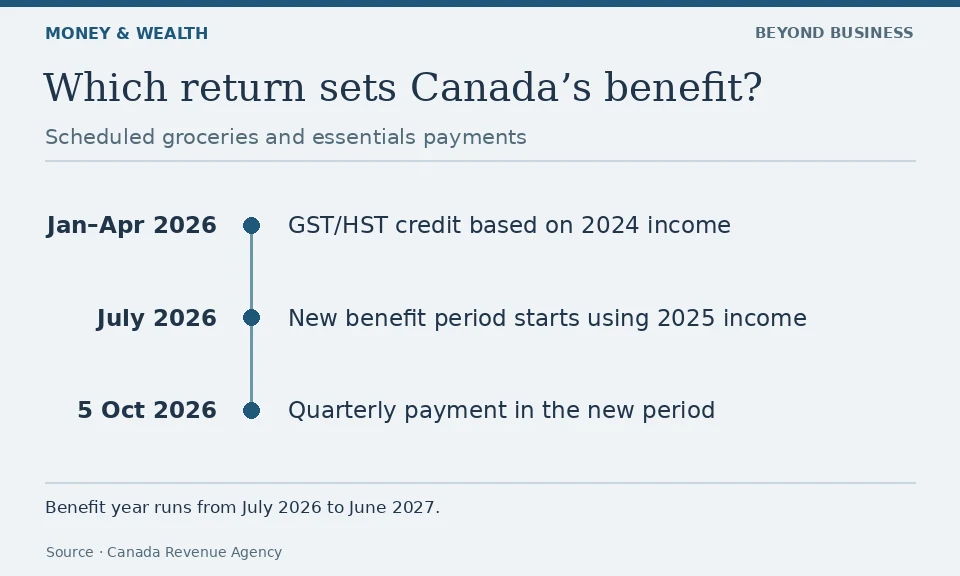
The October instalment of Canada’s Groceries and Essentials Benefit belongs to a July-to-June payment period. It can differ between households even when those households spend similar amounts on food.