- The headline consumer confidence index rose 7.5 points to 91.7.
- The present situation index reached 120.4 and the expectations index rose to 72.6.
- Respondents indicated less planned spending on services and durable goods over the coming six months.
Inside this story 2 perspectives
A person can think the local economy looks healthier than it did last month and still decide the washing machine must last another year. That pair of answers helps explain the October US consumer confidence report. The Conference Board’s headline index climbed to 91.7 from a revised 84.2 in September. Yet respondents indicated less planned spending on services and durable goods over the next six months.
The apparent contradiction arises from the questions. The headline number reflects how people assess business and employment conditions and what they expect in the near future, including for their income. A purchase plan asks something more immediate of the family budget. Expectations of a steadier paycheque can improve before there is enough room to spend it on something costly.
A balance with two sides
The measure of current conditions gained 8.6 points to 120.4. One of its components can be read without knowing how an index is constructed. The survey asks people whether jobs are plentiful or hard to get. Subtract the share giving the second answer from the share giving the first and October’s difference was positive by 5.3 percentage points. That balance had widened by 2.4 points since September.
Positive here has a specific meaning. More people chose the favourable of those two responses. It does not tell us how many jobs employers created, how many hours were offered or how much someone would earn by switching employers. Someone answering the question may be judging what they see around them. An employer reporting a payroll is counting a different thing.
What the next six months look like
The expectations measure rose 6.9 points to 72.6, recovering part of the ground lost across three months of declines. Its details again point in different directions. The balance expecting household income to improve was positive by 6.7 percentage points. The balance expecting better labour market conditions was still negative by 11.1 points. A family can feel fairly secure in its own circumstances while worrying about a relative trying to find work.
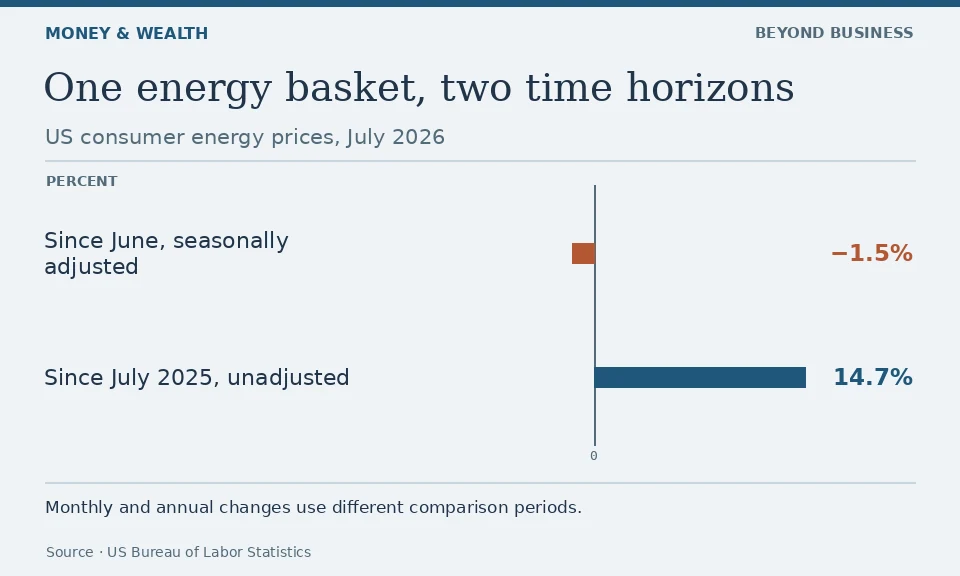
Grocery prices and fuel costs also featured in respondents’ written comments. The Conference Board noted that the confidence recovery coincided with easing retail gasoline prices. A fall in one frequent expense can improve the feeling of a week’s budget while accumulated increases in other bills continue to constrain it.
The preliminary survey covers responses gathered from 1 to 21 October. For anyone following American demand, its most informative detail may be that distance between the answers. Respondents saw improvement around them. Their willingness to commit cash to longer-lived purchases still had some catching up to do.