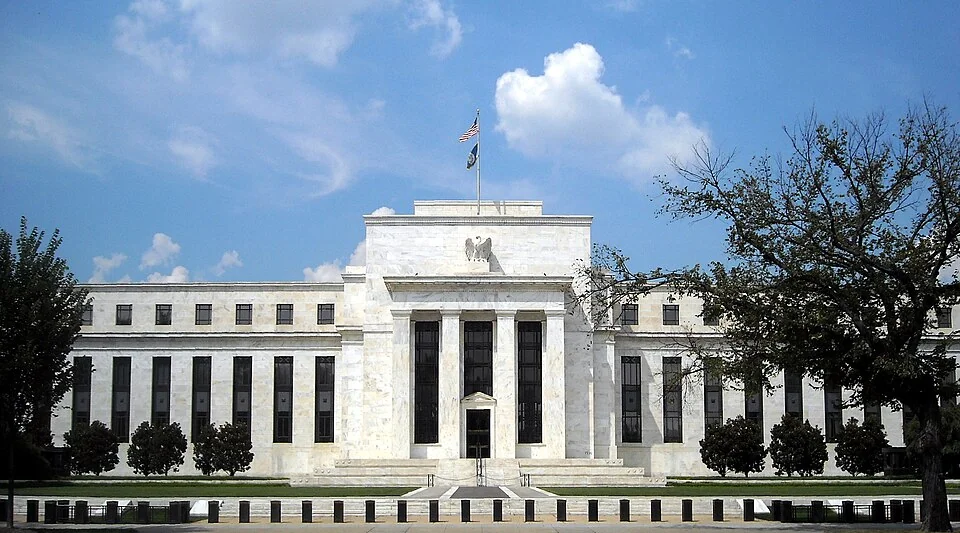
- The Federal Reserve held its target range at 3.75%–4% on 28 October.
- The decision passed 10–2; both dissenters preferred a quarter-point increase.
- Businesses should distinguish the policy rate from their own borrowing terms.
Inside this story 2 perspectives
An unchanged interest rate can look like a quiet decision. For a business preparing its next budget, the reasoning behind it deserves attention.
On 28 October, the Federal Reserve kept its federal funds target range at 3.75%–4%. Its statement described inflation as elevated and said further information would inform subsequent decisions. The vote was 10–2, with both dissenting members preferring a quarter-point increase.
That combination does not amount to a pledge of imminent easing. Reuters described a mixed market response to the announcement, underlining the limits of treating one trading session as a verdict on the financing outlook.
Start with the terms that actually apply
For readers running businesses, our interpretation is practical: revisit the assumptions in the cash-flow plan before rewriting the growth plan. A policy rate is not the same thing as a lender’s offer. Fees, repayment schedules, collateral and the borrower’s circumstances all belong in the comparison.
A company with dollar obligations should be clear about when payments fall due and which revenues will meet them. A company borrowing in another currency should avoid assuming that the US decision automatically changes its local policy rate or exchange rate.
Give a decision room to survive
Consider how a project would perform if financing stayed expensive for longer than expected. Which expenditure is essential now? Which commitment depends on a more favourable refinancing outcome? What happens if customer payments arrive late?
These are planning questions, not a prediction of the next Fed move. The value of the pause is the opportunity to review the numbers with less wishful thinking. A sound decision should be understandable under more than one rate scenario.