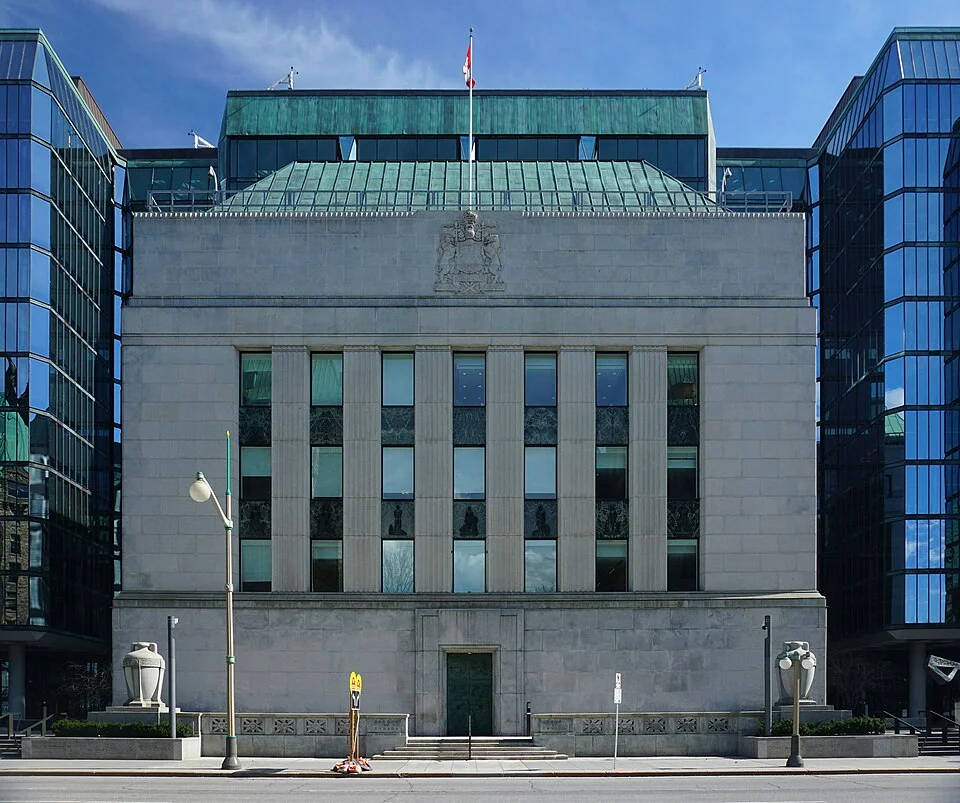
- China’s central bank confirmed that officials had signed terms for a joint financial working group.
- A desk exercise is planned before year-end, with a test drawing under the currency swap planned for 2027.
- The arrangement connects central banks. A trading company still depends on the services and prices its commercial bank offers.
Inside this story 2 perspectives
The least glamorous item in Canada and China’s latest financial plans may be the most revealing. Before the end of the year, officials intend to sit down and rehearse how to use a currency swap between their central banks. A test drawing is planned for 2027. For now, the rehearsal is on the calendar and the test money has yet to move.
On 18 November, China said its central bank had signed terms of reference for a financial working group with Canada’s finance department and central bank. The group had already met in Beijing in April. The new terms identify who participates, what they will work on and how they will communicate. They give officials a place to resolve the practical details that can get lost between a diplomatic announcement and a payment clearing.
What happens between two central banks?
A bilateral currency swap gives central banks a means to exchange their currencies under agreed terms, with a corresponding transaction to reverse the exchange. Having an agreement and being ready to operate it are different milestones. A desk exercise lets officials work through the sequence on paper. A subsequent test drawing gives them a chance to try the actual arrangements.
Prime Minister Mark Carney, speaking in Shenzhen on Wednesday, argued that depending on too few currencies or payment channels can leave businesses exposed to disruption. The two governments have identified wider use of local currencies in trade and investment as a subject for discussion. Their agenda also covers cross-border payments and foreign institutions issuing bonds denominated in renminbi in China.
Follow a single invoice
Consider a business in Nairobi buying equipment from a Chinese manufacturer. The supplier may be willing to quote in renminbi, but that alone tells the buyer little about the bill it will ultimately settle in shillings. Can its commercial bank deliver the currency on the due date? Which exchange rate and fees will apply? If the machine is delivered in stages, who carries the cost of an exchange-rate move between the deposit and the final instalment?
The Canadian agreement gives that Kenyan business no direct access to central-bank funds. Its relevance lies in showing how many parties have to make a currency option usable. The seller must accept it, commercial banks must be able to settle the payment, and the buyer must be able to compare the full cost with another quote. The contract still determines who bears the currency risk.
For anyone assessing promises of cheaper trade payments, the next milestones are unusually concrete. First comes the planned rehearsal. Then comes evidence that the central banks can complete a drawing. Whether importers subsequently receive better terms will be a separate question, answerable in the price, timing and currency choices on an actual invoice.