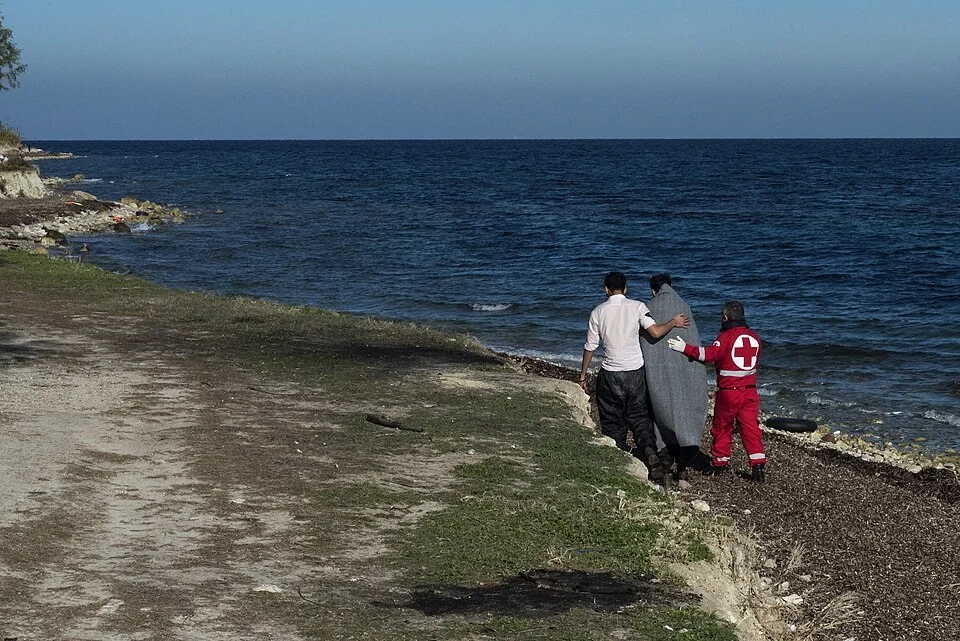
For World First Aid Day, Red Cross and Red Crescent volunteers described how interpretable advice, continuity and a trusted route to further care can change what assistance means for a person on the move.
Australia’s R U OK? Day brought peer supporters and staff together at Northern Health. The step that happens quietly afterwards is often the easiest one to miss.
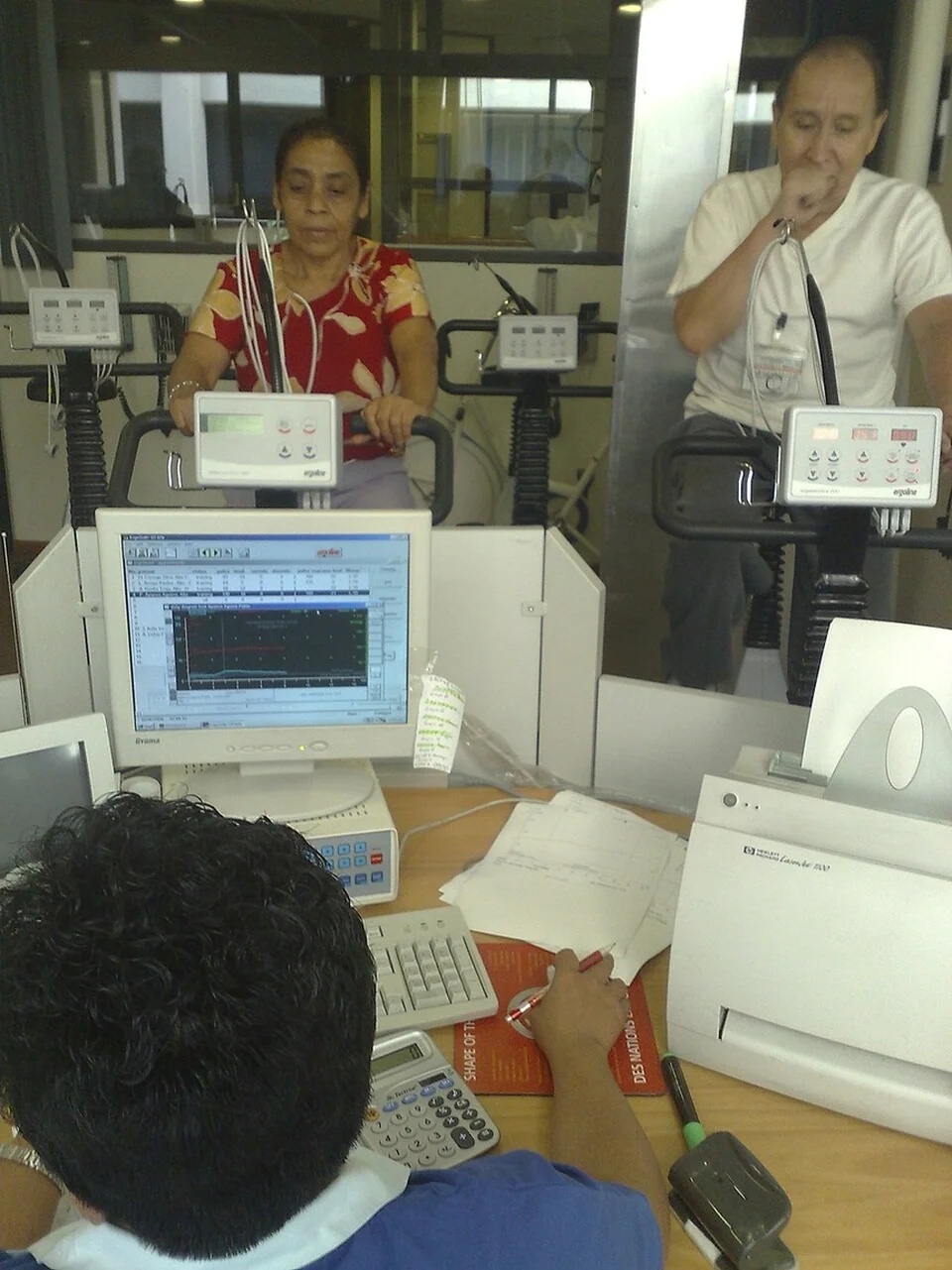
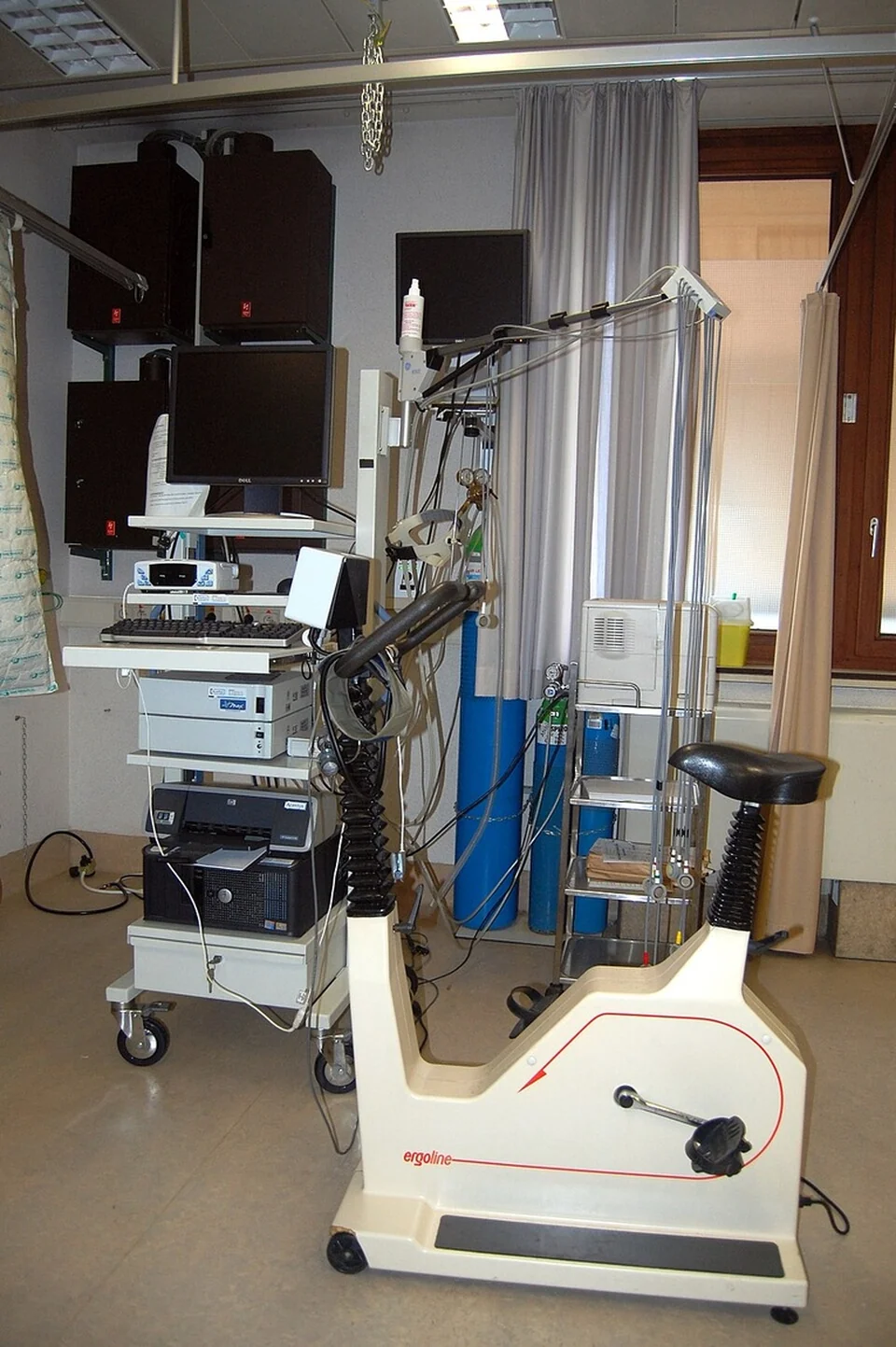
World Physiotherapy’s September campaign highlights recovery after cardiovascular illness. Cardiac rehabilitation brings supervised exercise, practical education and emotional support together around the life a person is trying to resume.
A parliamentary report published on 10 September brings a familiar problem into view. An employee can agree a change with one manager and still have to explain it all again to the next.
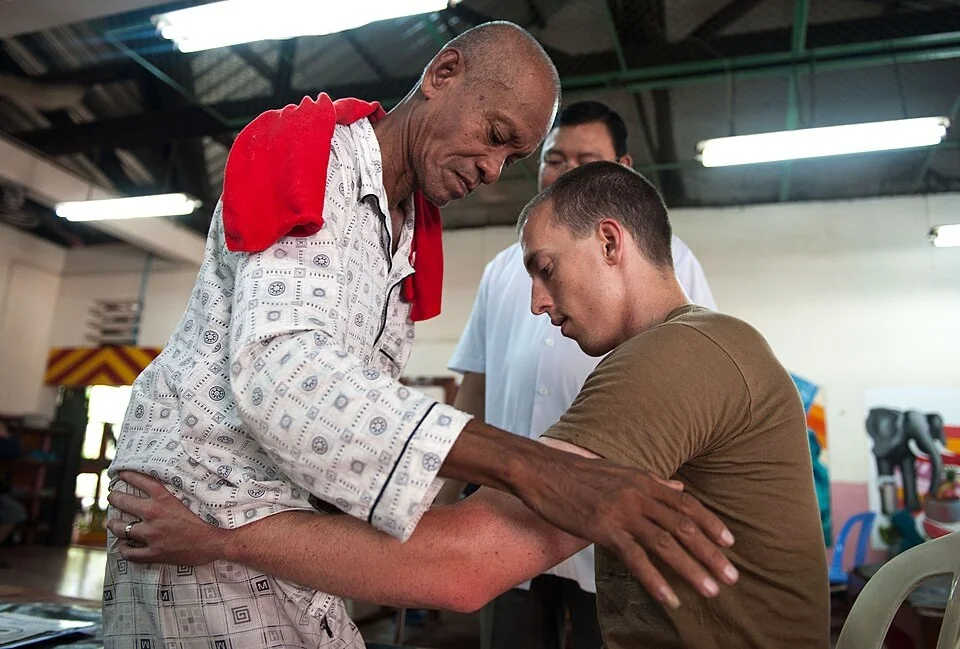
World Physiotherapy’s 8 September campaign put stroke recovery in focus. Naming a part of daily life that matters can help a person and their rehabilitation team decide what progress would mean.
The city’s BibloRed network has won a UNESCO King Sejong Literacy Prize for Escuelas LEO. Its public libraries bring spoken, signed and written expression into the same conversation.
A Tshwane community dialogue paired discussion of smoke exposure with a collection point for unwanted electronics. What happens after a household gives up a device is part of the health question.
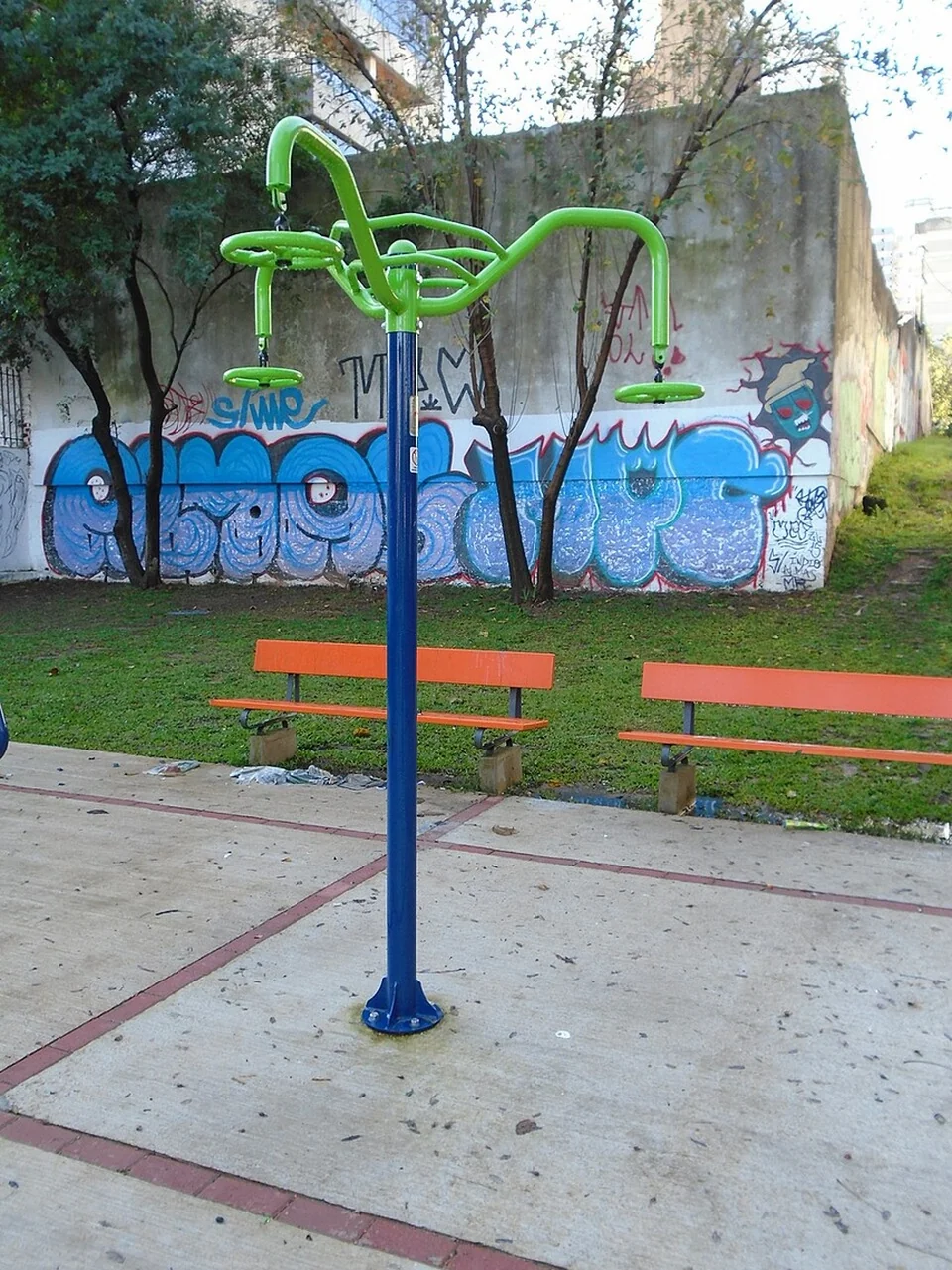
A small trial in Porto Alegre gave both groups the same outdoor training. Adding group nutrition sessions produced a difference in fasting blood glucose, the result the researchers set out to test.
World Sexual Health Day asks who can obtain information and speak for themselves. Privacy, access and the way a clinician addresses a patient can change the conversation before it begins.
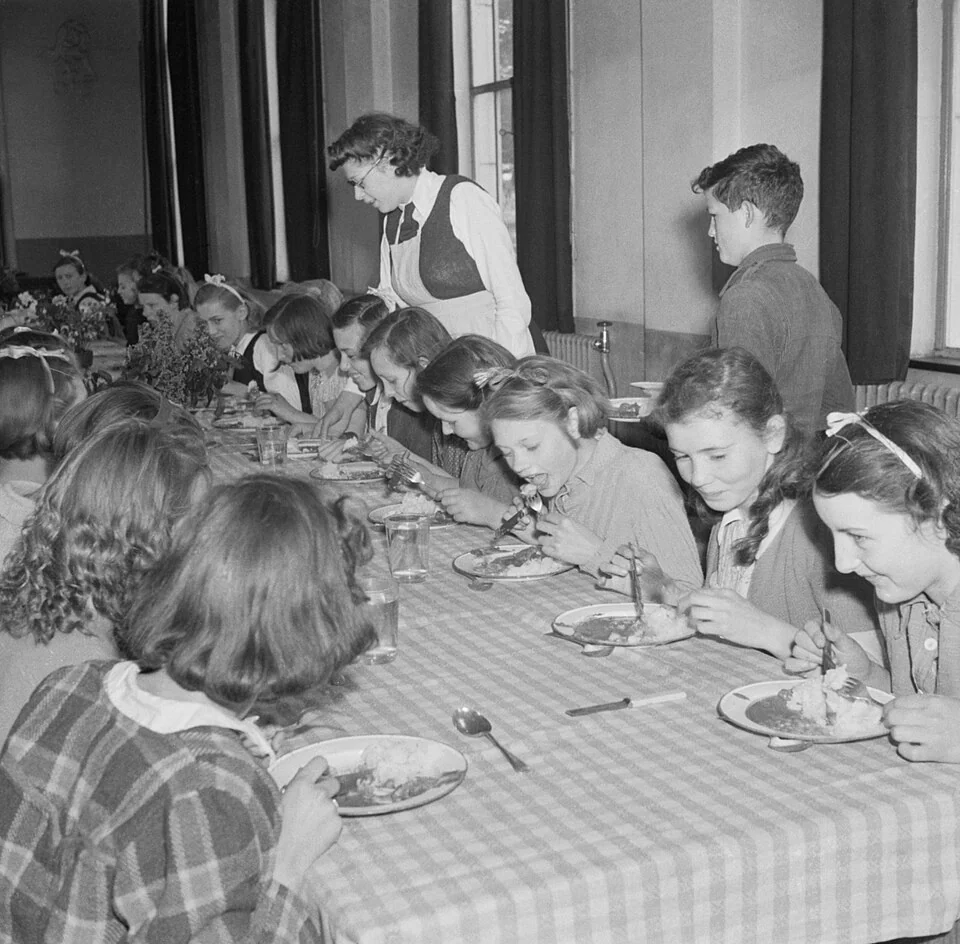
The old Universal Credit earnings threshold has gone for school lunches. A family working out its first week of term has a separate question about breakfast, which depends on the school’s programme.
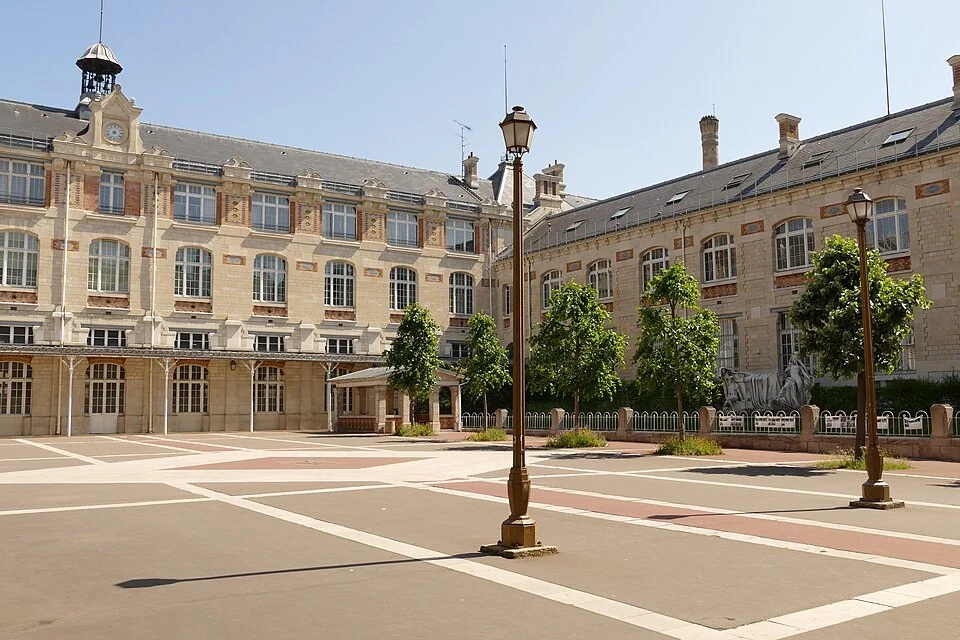
French upper-secondary pupils returned on 1 September under new limits on phone use. The national law sets a common rule while giving schools a role in explaining exceptions and enforcement.
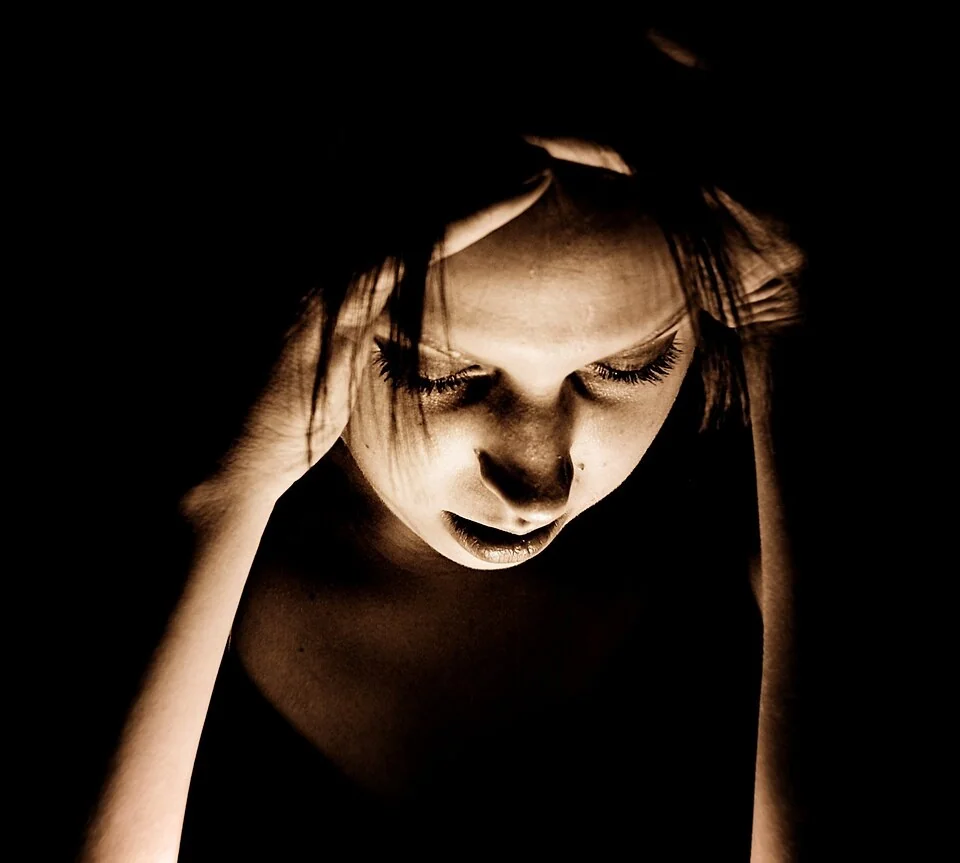
Updated guidance for adults gives lost function a place beside the monthly headache count. A useful account of an attack includes what a person had to abandon as well as how long it lasted.
African Traditional Medicine Day puts a practical question before practitioners, researchers and clinics. How can a patient explain all the care they use and have that account taken seriously?
An experiment compared a nap opportunity, guided rest and a control group. The clearest difference appeared in self-reported fatigue and readiness, while reaction-time scores told another story.
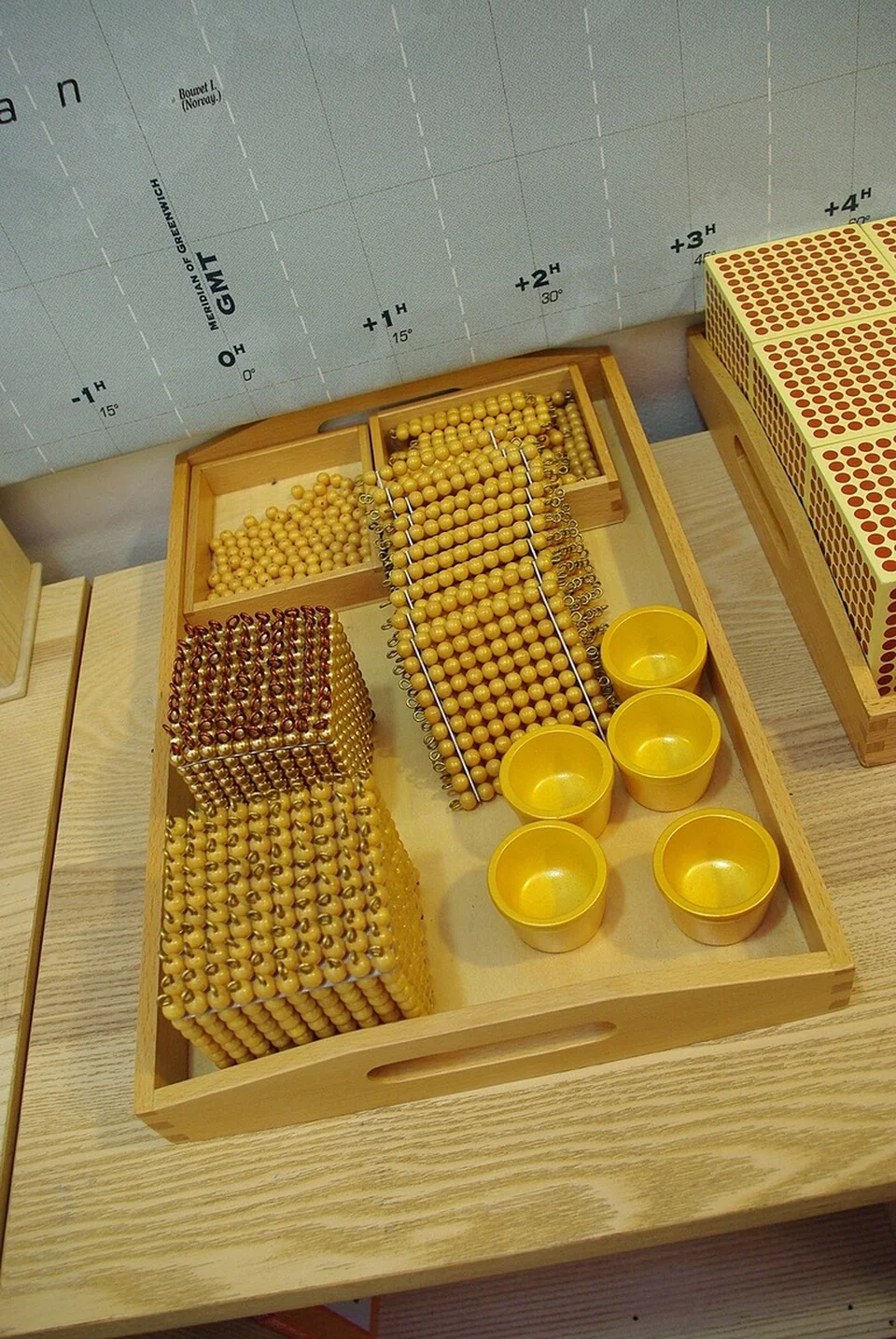
A new research review argues for linking early maths training with teachers’ existing work on attention and self-regulation. Sorting a set of objects shows what that might look like.
Four Australians have shared the personal cost of fraud during Scams Awareness Week. A friend’s first response can give someone enough breathing room to contact their bank and report what happened.
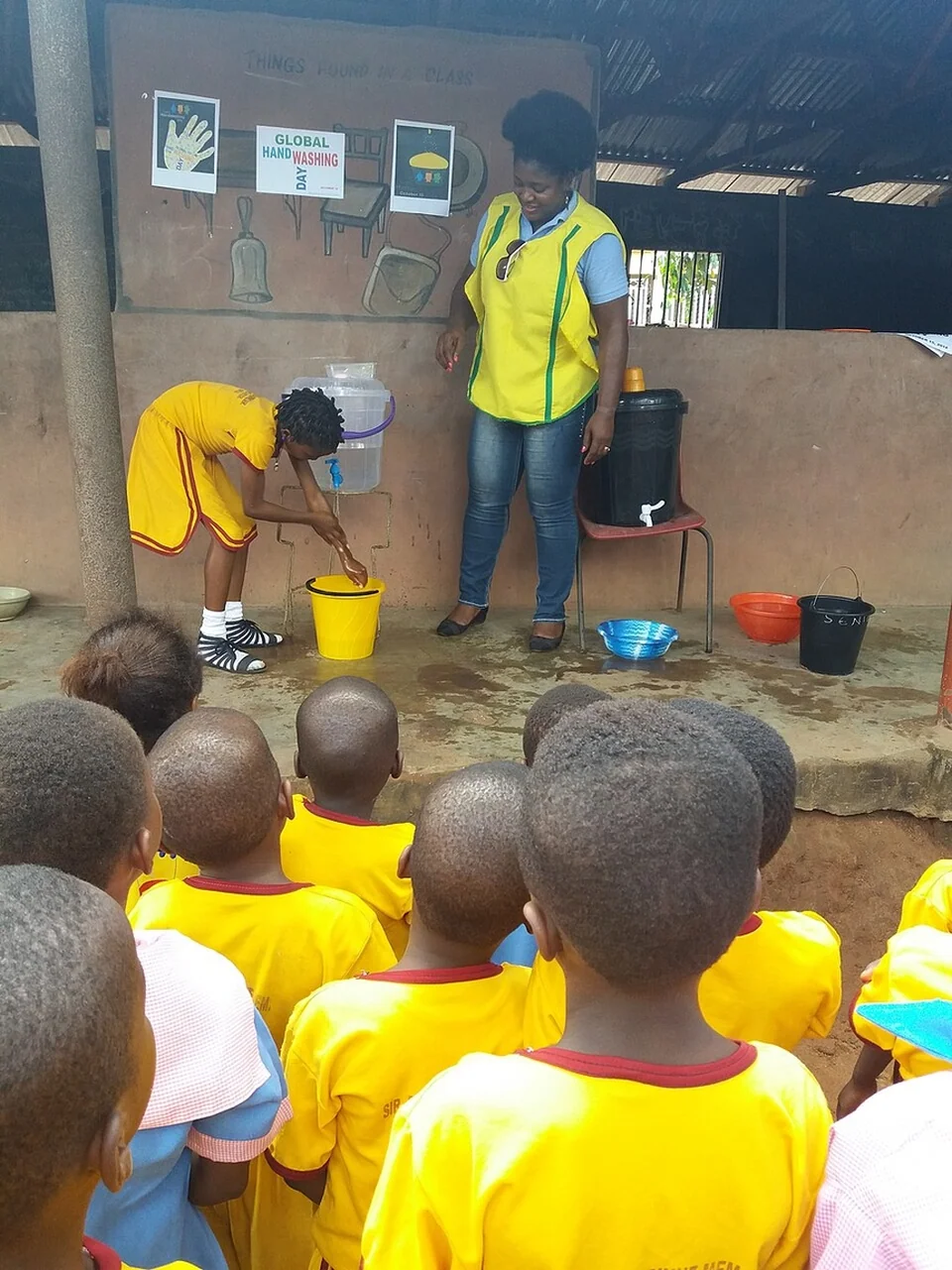
As World Water Week closes in Stockholm, a practical measure from WHO and UNICEF shows why a working tap and a supply of soap belong in the same conversation.
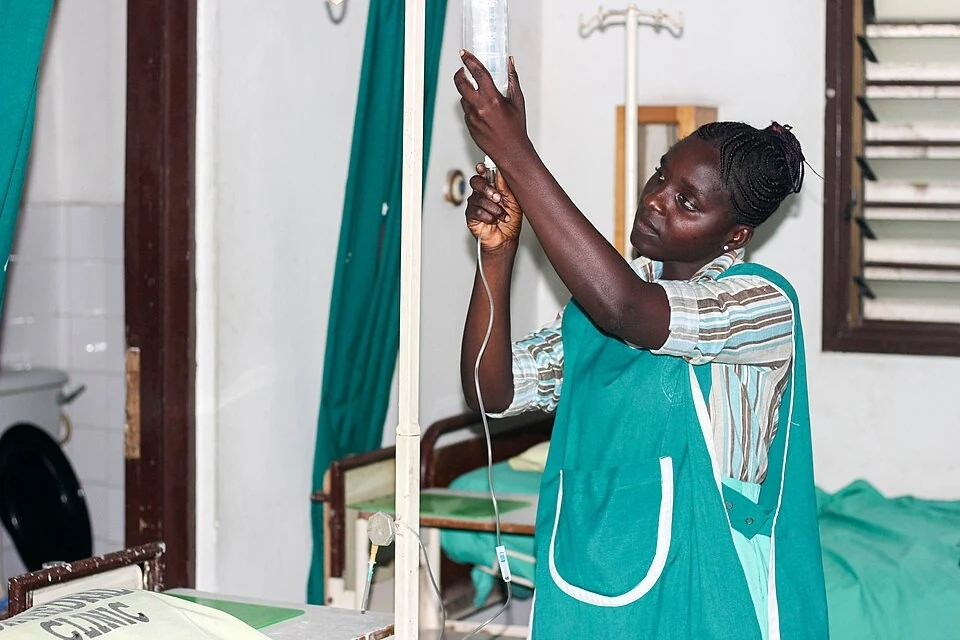
Health ministers have endorsed a plan for three million more health workers by 2035. Training places, funded posts and the ability to stay in a job each need different decisions.
A Montreal-led experiment put a 20-minute ride and a 90-minute nap to the same memory test. Its result applies to pictures recognised three days later.
A study of more than 3.6 million US patient message threads found that writing style was associated with differences in who replied. The evidence points to questions about how clinics sort messages.
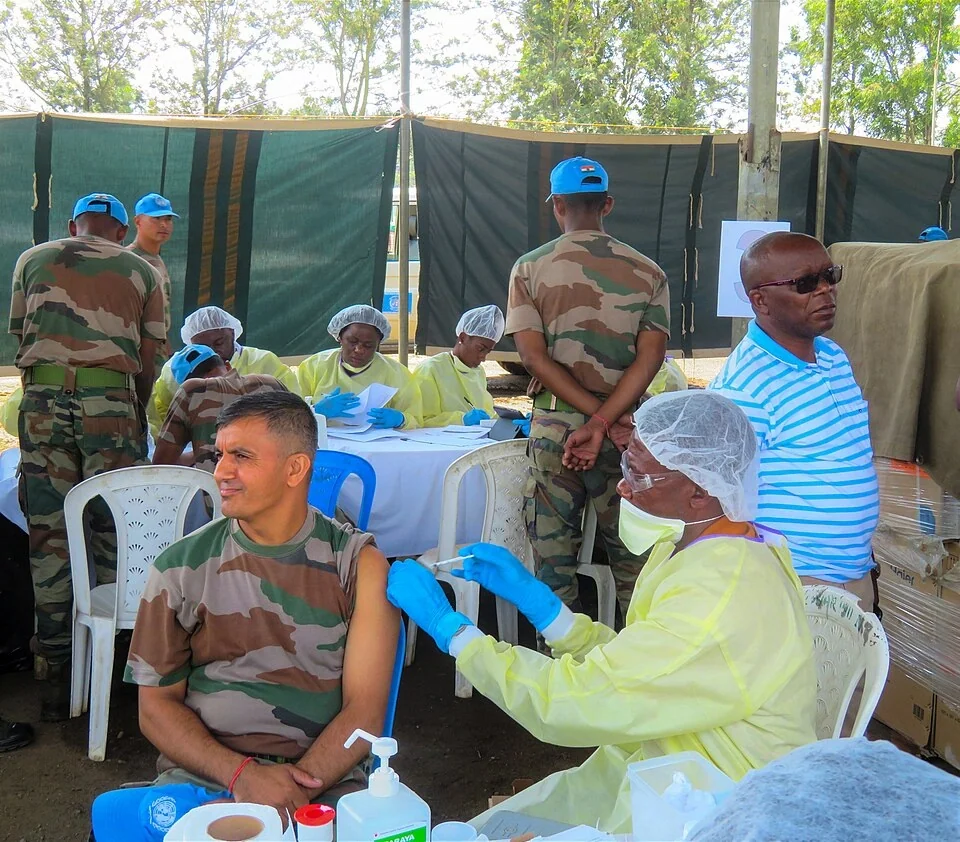
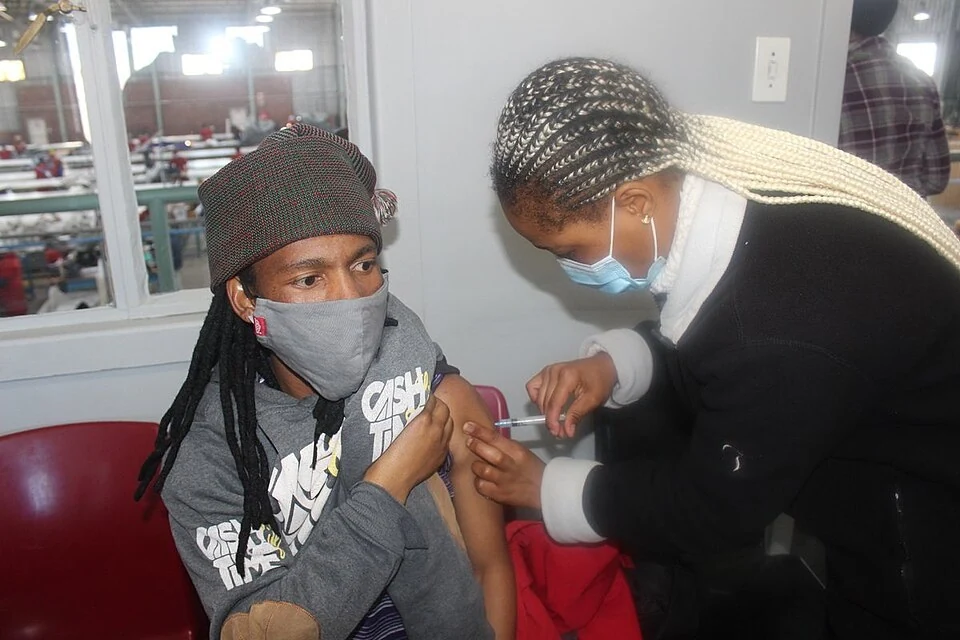
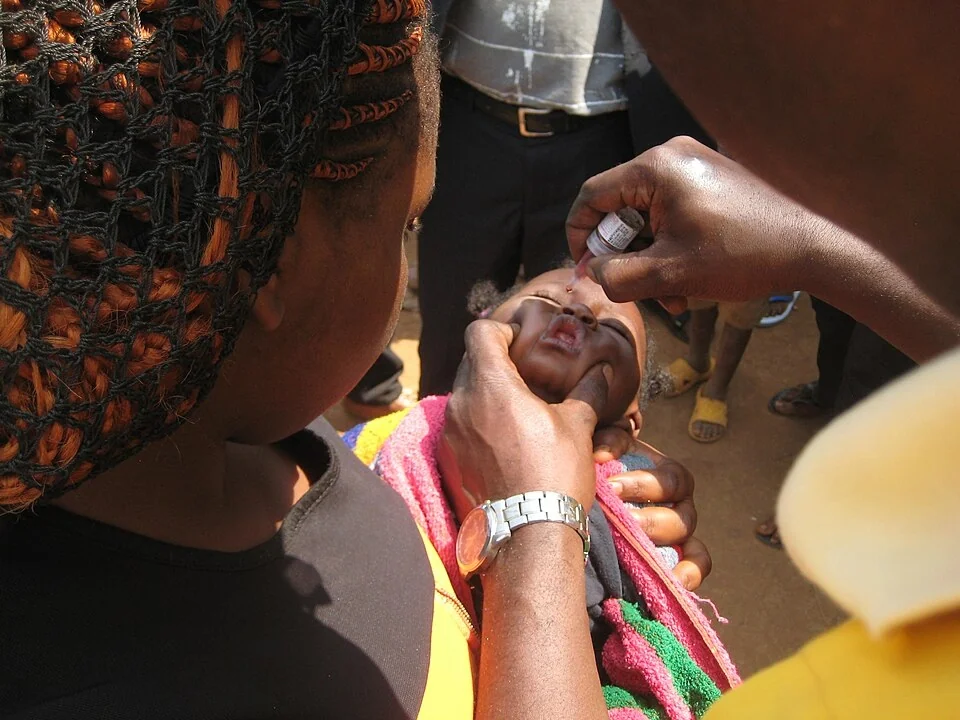
An initial release of 70,000 doses comes with uncertainty about protection against the virus behind the current outbreak. Health agencies also set out support for children’s routine immunisation.
A four-day workshop in Maseru opened a national review of vaccine priorities. For parents reading the announcement, the important detail is where a proposal sits on the path to a change in routine care.
In May, assessors recommended closing a polio outbreak in Guinea-Bissau. This week WHO confirmed closure there and in four other countries. Keeping a careful watch was part of the evidence.