- The experiment involved 54 healthy young adults after 30 hours without sleep.
- Participants saw images after cycling, napping or sitting quietly, and took a recognition test three days later.
- The study addressed one memory task and did not measure performance in real workplaces.
Inside this story 2 perspectives
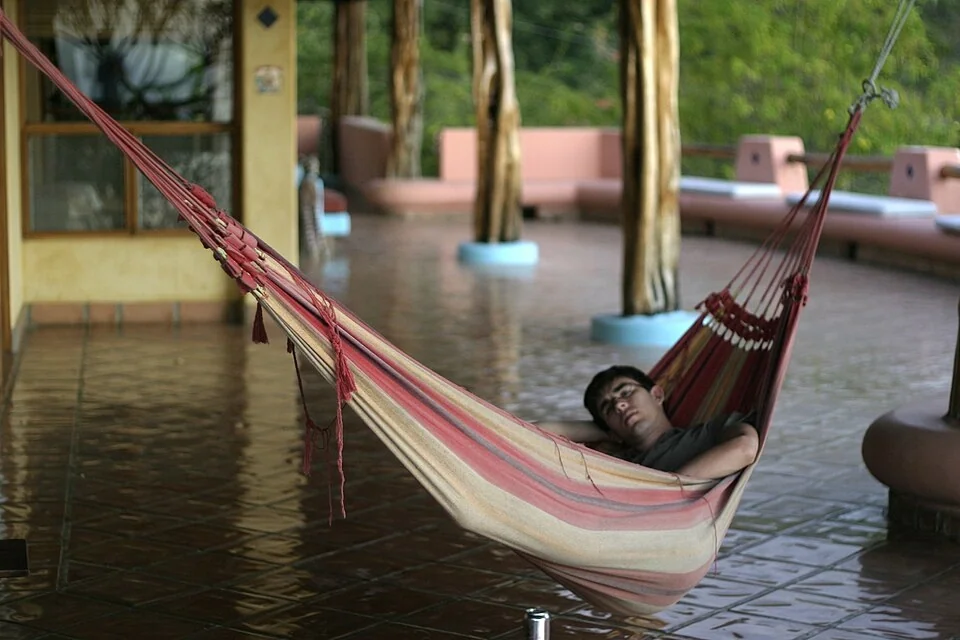
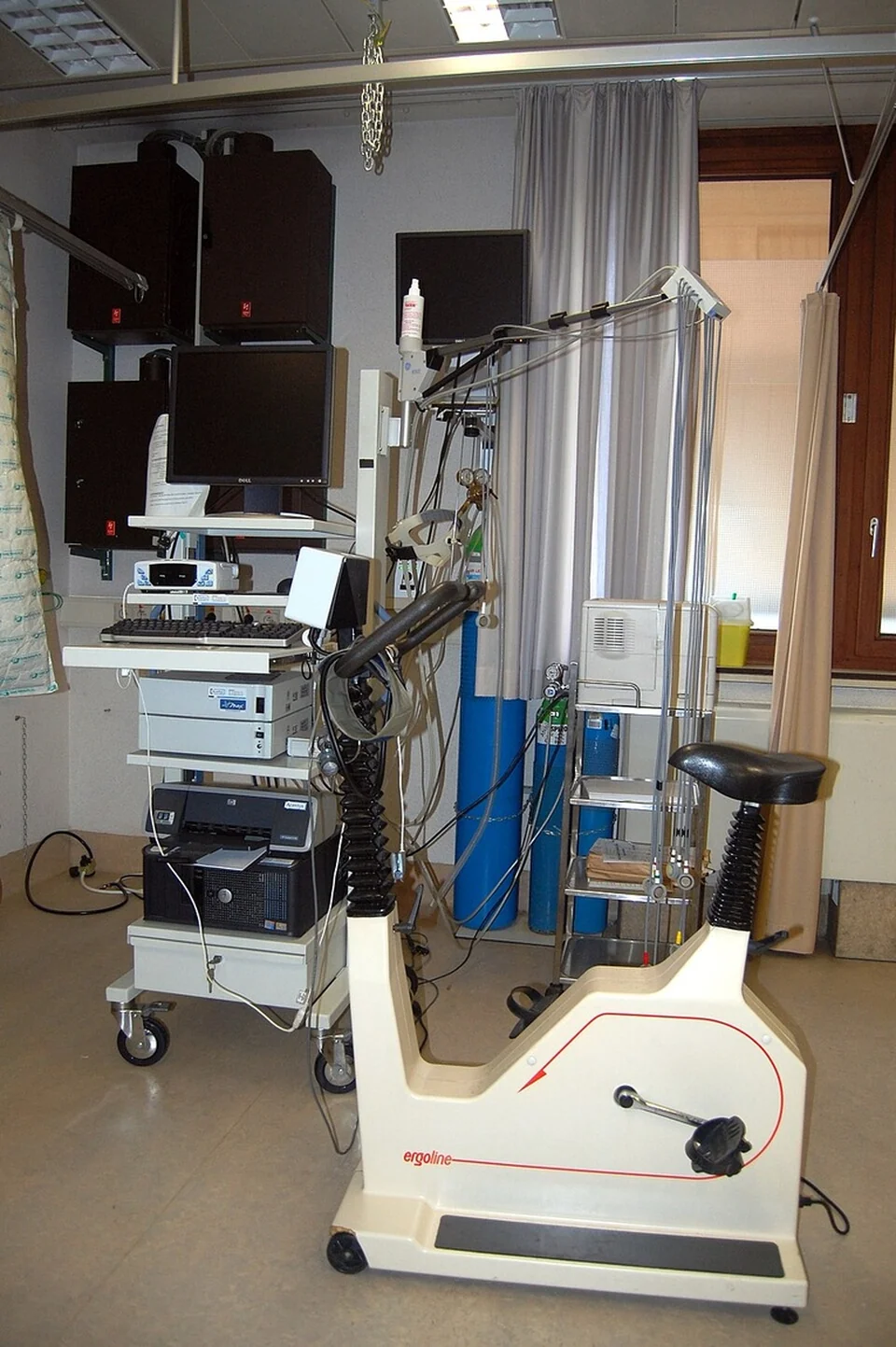
The volunteers had spent 30 hours awake when the researchers offered them very different ways to spend the next part of the experiment. Some cycled for 20 minutes. Others had a chance to sleep for 90 minutes. A third group sat on the exercise bike without working out. The interesting part came after all of that, when the volunteers were shown a set of pictures. Three days later, which pictures could they recognise?
McGill University put the question in the public eye on 24 August, explaining a study published earlier in the month in Proceedings of the National Academy of Sciences. The team enrolled 54 healthy young adults. On the later memory test, the exercise and nap groups performed about 22 per cent better than the comparison group, according to the university. The result can sound like a contest between riding a bike and going to bed. What the experiment actually allows researchers to compare is narrower and more interesting.
Learning after the intervention
If the volunteers had seen the pictures first, a nap might have helped them keep something they had already learned. Instead, they saw the material after the nap or bike session. The study therefore places the intervention before the moment of learning. That order matters to anyone thinking about how memories form on a tired day.
The later test also put distance between learning and recall. A volunteer could not succeed merely by reporting which picture was still fresh in mind a few seconds after looking at it. Researchers recorded electrical activity at the scalp as part of the experiment. The patterns suggested that exercise and a nap could support performance by different routes. The groups' similar scores are the observation that needs explaining. A proposed mechanism involves a further step of interpretation.
How far the finding travels
A lab can arrange for 54 people to experience a similar period without sleep, assign them to different activities and show them controlled material. A working night is much less orderly. A nurse may be interrupted halfway through reading a handover. A driver has to sustain attention to a changing road. A parent may be learning an instruction while listening for a child in the next room. Recognising a picture several days later captures just one part of what such situations demand.
The research consequently gives no basis for treating a short workout as permission to drive tired, extend a shift or give up on recovery sleep. Nor does one experiment establish that exercise and napping have equivalent effects across the body. What it does show is that an activity undertaken before learning can affect one measurable part of memory after sleep loss. In that finding, the order of events is at least as important as the number of minutes on the bike.