- The trial randomly assigned 32 adults with hypertension to exercise alone or exercise with food counselling.
- After 12 weeks, the group offered both had fasting blood glucose about 10 mg/dL lower than the exercise-only group.
- The direct comparison between groups did not show a statistically significant blood-pressure difference.
Inside this story 2 perspectives
If a community centre already offers exercise classes, what could it gain by adding a nutrition group? Researchers in Porto Alegre, Brazil, tested that question with adults who had high blood pressure. The clearest difference at the end of their 12-week experiment turned up in a blood test. It was the result they had chosen in advance as their main measure of success.
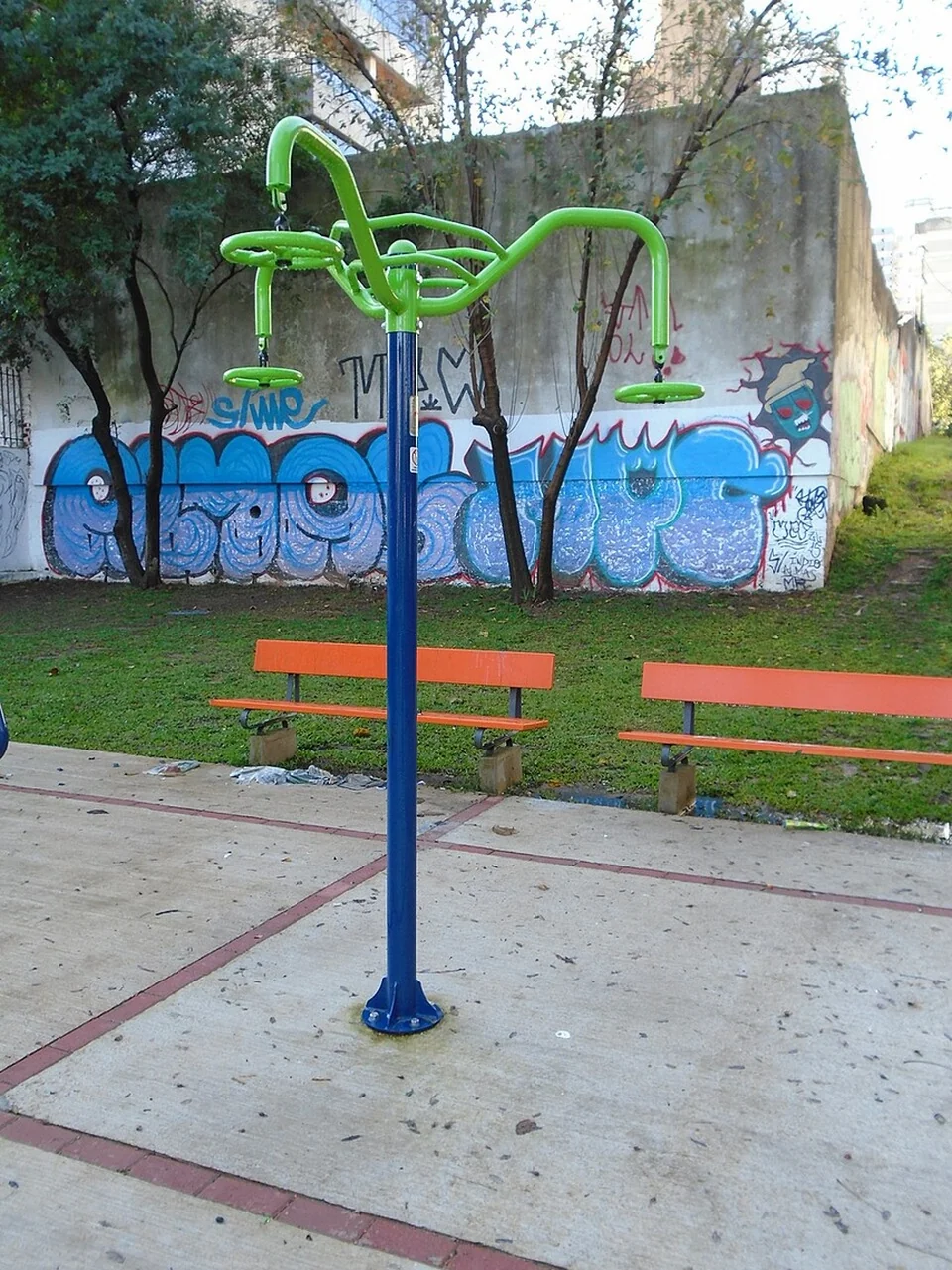
The trial, published on 3 September in the Journal of Human Hypertension, enrolled 32 adults aged 50 to 80. Researchers randomly assigned half to an outdoor programme combining walking or jogging with body-weight exercises. The other half received the same training plus six group sessions on food. Both groups were offered two hour-long exercise sessions a week. Twenty-nine people completed the intervention.
What the food group actually did
The counselling followed Brazil’s dietary guidelines and focused on food quality, including reducing ultra-processed foods. Participants were not given a calorie-restriction target. This matters for anyone thinking about what it would take to reproduce the programme locally. The comparison involved a series of conversations about food alongside regular activity, rather than a special product or a prescribed weight-loss diet.
At the end of the programme, the group offered nutrition counselling had fasting blood glucose about 10 milligrams per decilitre lower than the exercise-only group. That measurement, taken after a period without eating, was the trial’s primary outcome. The result answers a fairly specific question about adding the food sessions to the exercise programme. It cannot tell organisers how much either group gained from exercise compared with doing no training, since everyone in the trial was offered training.
Why the blood-pressure result reads differently
Systolic blood pressure fell within the counselling group. But when the researchers compared the groups directly, the blood-pressure difference was not statistically significant. An improvement over time in one set of participants, even a statistically significant one, does not by itself establish that the additional sessions caused a bigger improvement than in the other group. Nor did the study find a significant difference between the groups in body composition or cardiorespiratory fitness.
The trial was small and lasted three months. It did not measure whether the participants later developed diabetes or experienced fewer heart attacks. Established hypertension care includes approaches beyond this particular programme. The World Health Organization describes dietary changes and physical activity alongside medication when needed. The study gives no basis for an individual to alter a prescription.
For a community organiser, the promising part is the specificity. The researchers described the space, the schedule, the food discussions and the measure that changed. A larger programme could use that description to ask whether people can attend regularly, whether the glucose result persists and whether the classes translate well into local food traditions.