Personal Edge
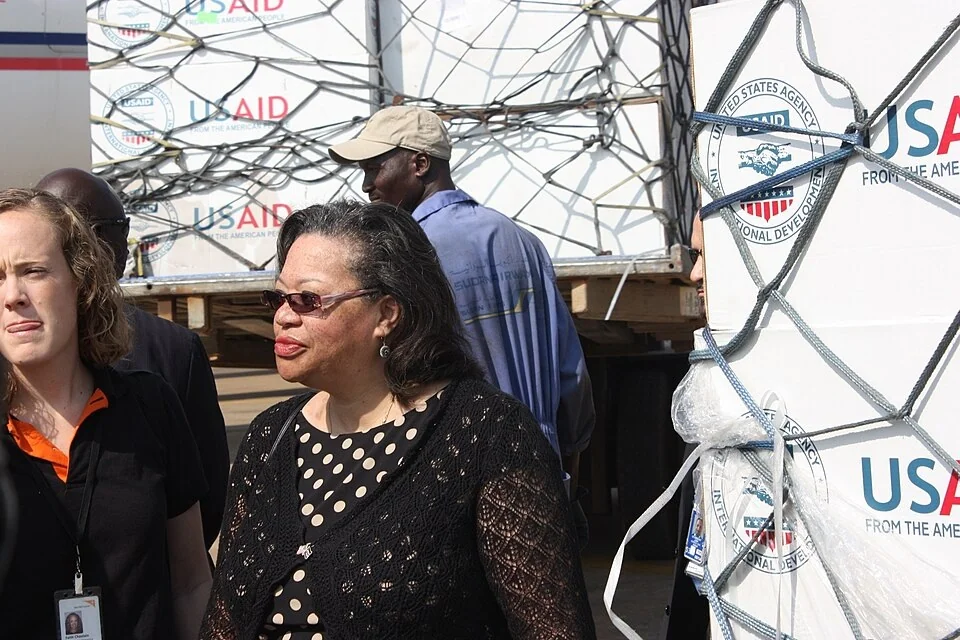
Who gets counted when an aid worker dies?
South Sudan’s humanitarian coordinator included contractors in a grim World Humanitarian Day tally. The choice matters to the people who keep assistance moving.
South Sudan’s humanitarian coordinator included contractors in a grim World Humanitarian Day tally. The choice matters to the people who keep assistance moving.
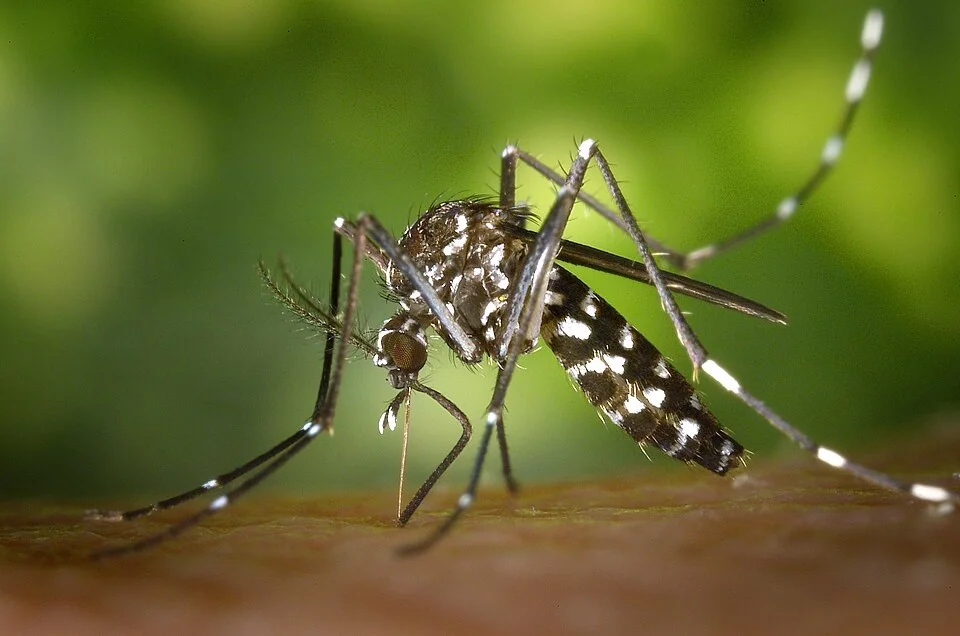
France’s 19 August surveillance bulletin records four locally acquired cases and hundreds of travel-associated infections. The two counts answer different questions for summer travellers.
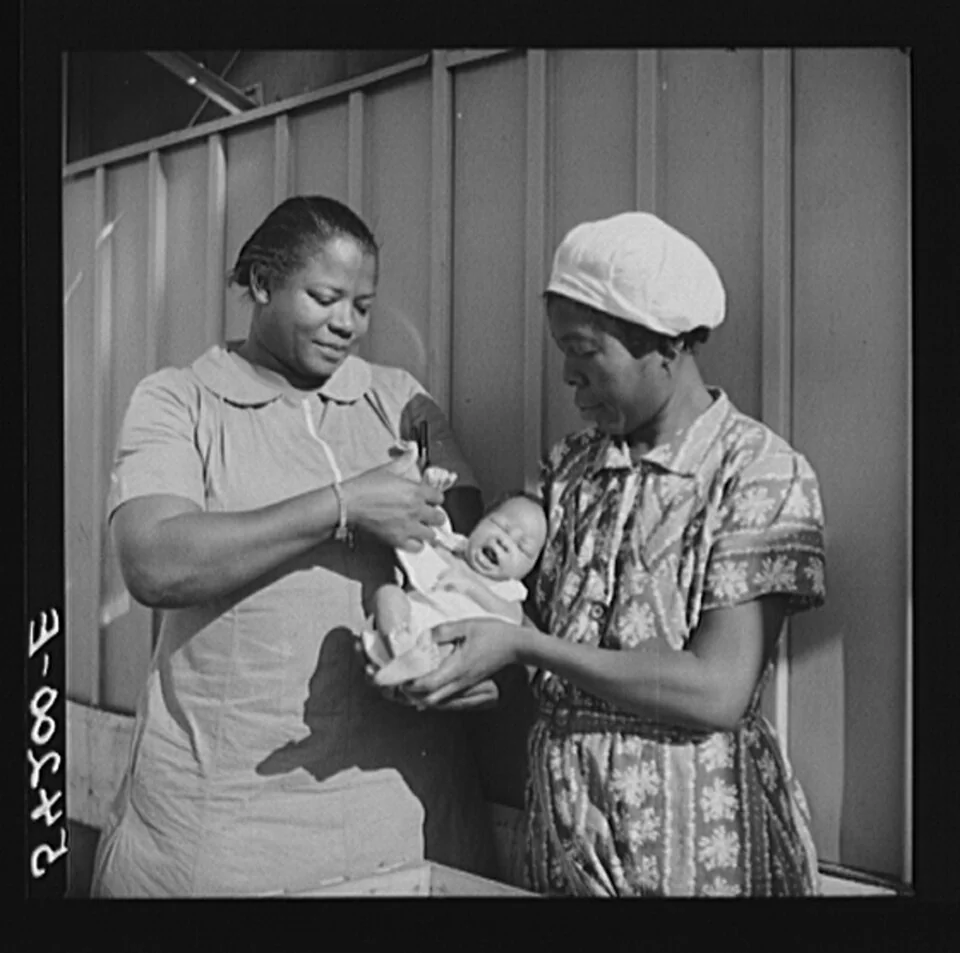
A UK trial tested support for people who had stopped smoking before giving birth. Its headline depends on whether the analysis counts everyone offered help or only those it reached.
An August study examined a group of patients whose spinal cord problems lacked an explanation. It raises a question about where a vitamin reaches that an ordinary dietary headline could miss.
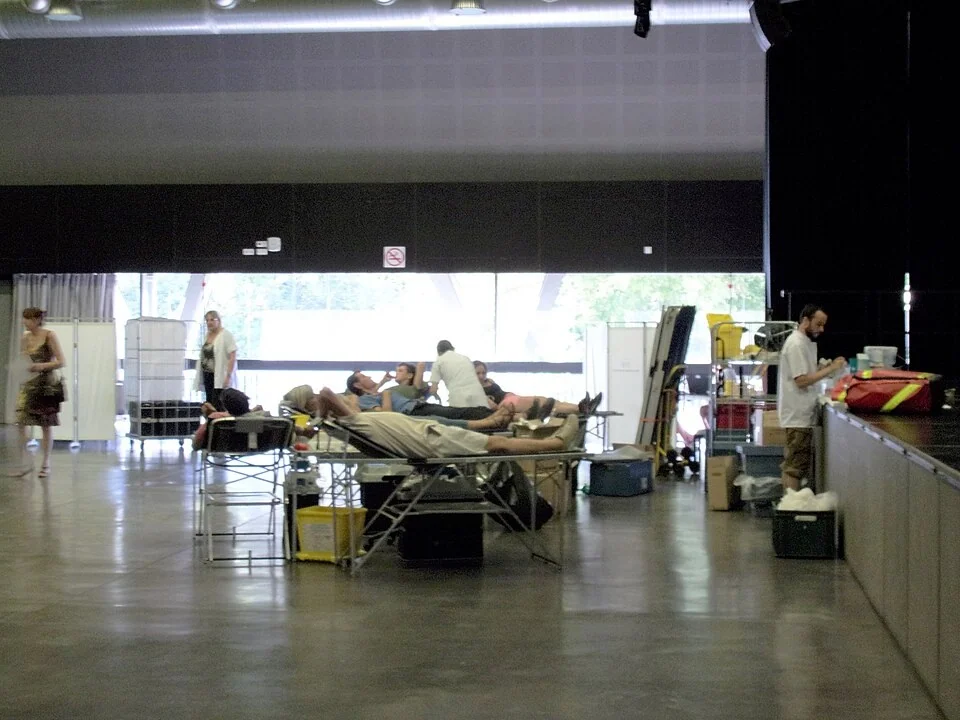
Europe’s 14 August West Nile update identified 77 affected areas. For blood donors returning from holiday, the useful detail is the place and date of their visit.
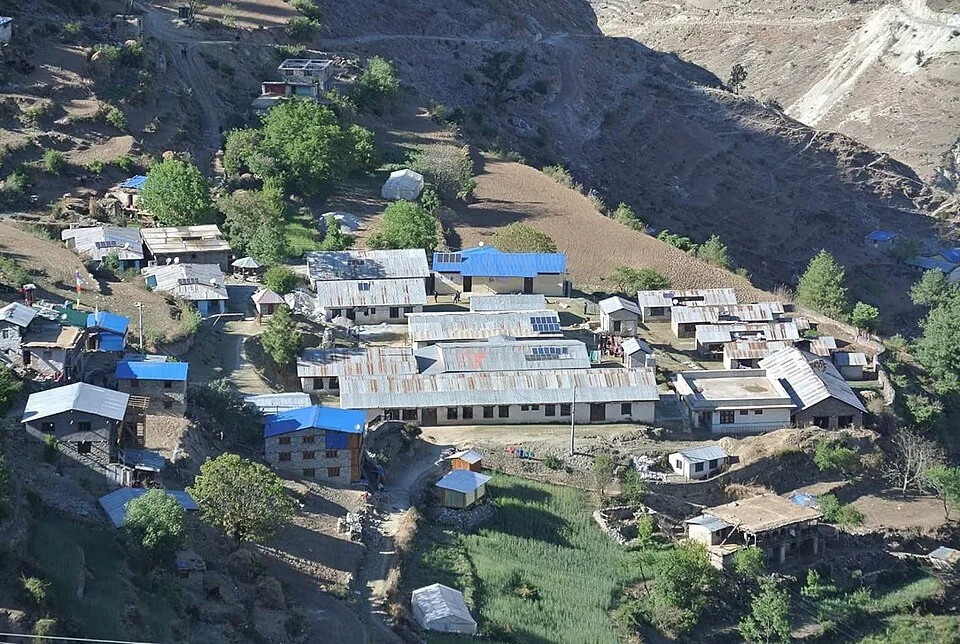
A three-year agreement announced by WHO and the Lions Clubs International Foundation sets different tasks in Nepal and Jordan. Each starts with a question about where a person can first ask for help.
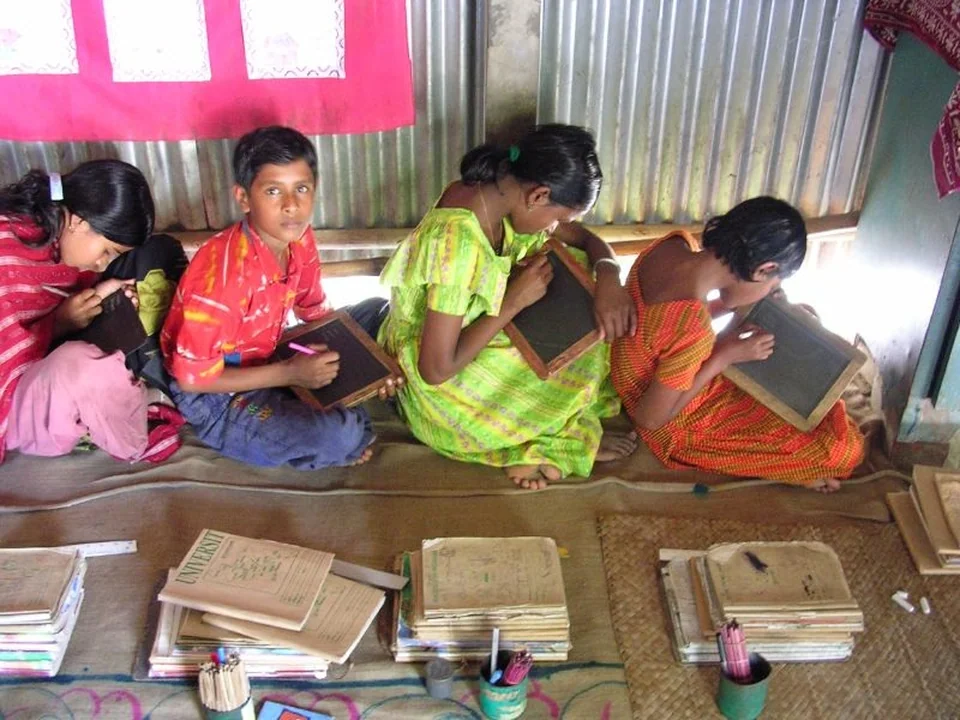
A new review asks schools to plan for heat on the journey, in the classroom and during assessments. Families can use those decisions to understand what happens on a hot day.
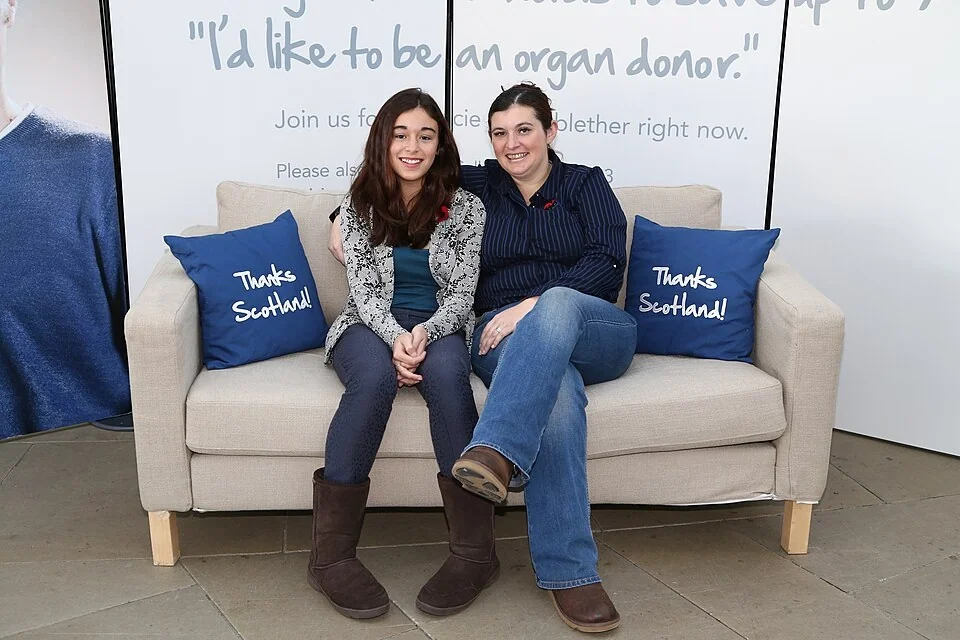
During South Africa’s Organ Donor Awareness Month, the foundation is asking people to complete their registrations and tell the relative who may one day be asked about their wishes.
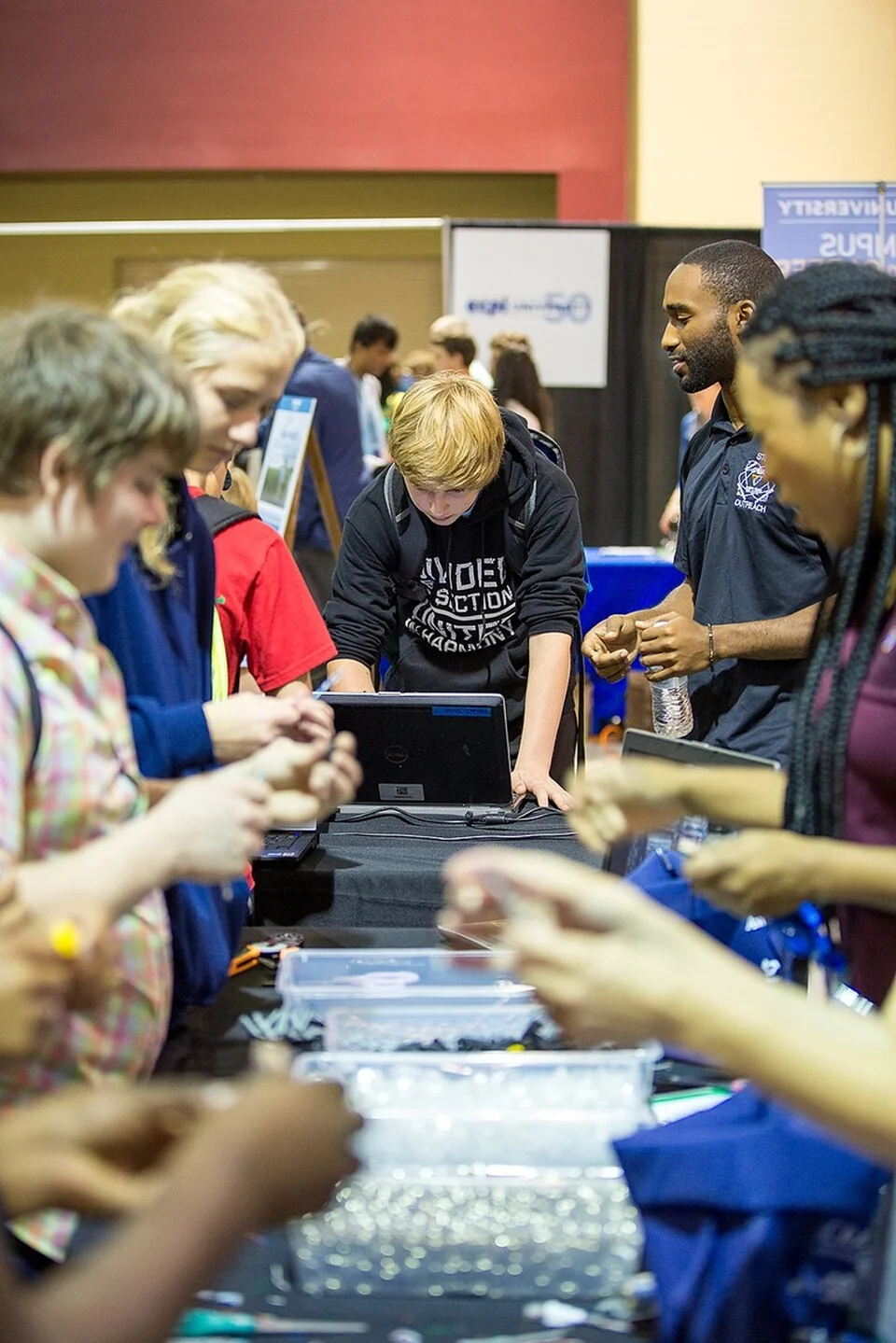
An ILO report ahead of International Youth Day puts youth unemployment and the number outside work and training side by side. The gap matters to anyone hiring for a first job.
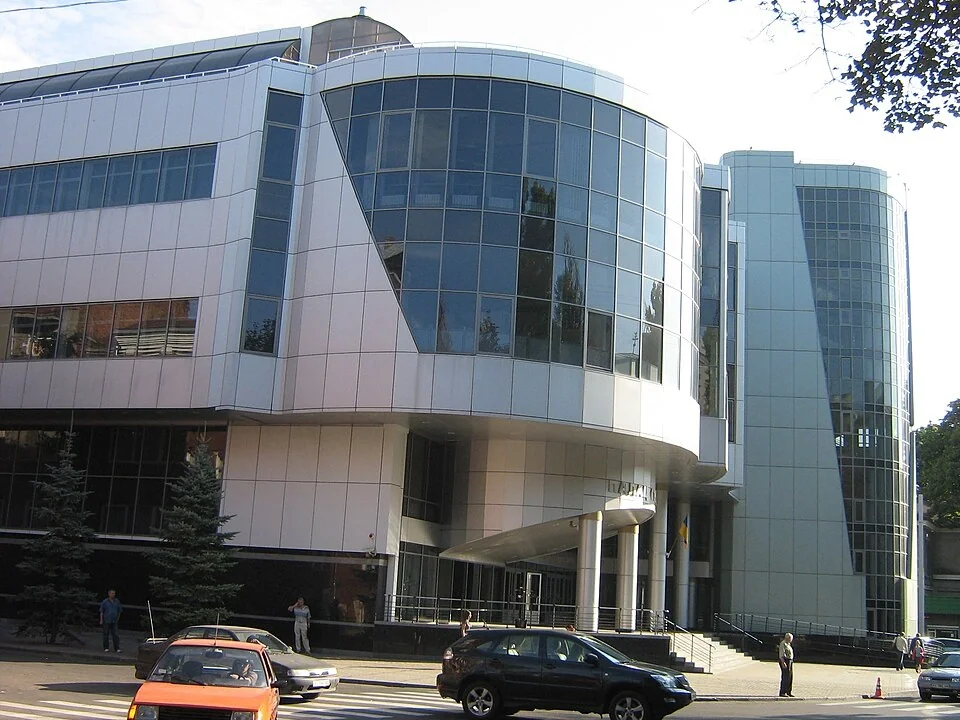
A 15-week online course reached 735 students at a university in Kharkiv. The study offers a practical example of organising activity at a distance and a caution about interpreting before-and-after results.
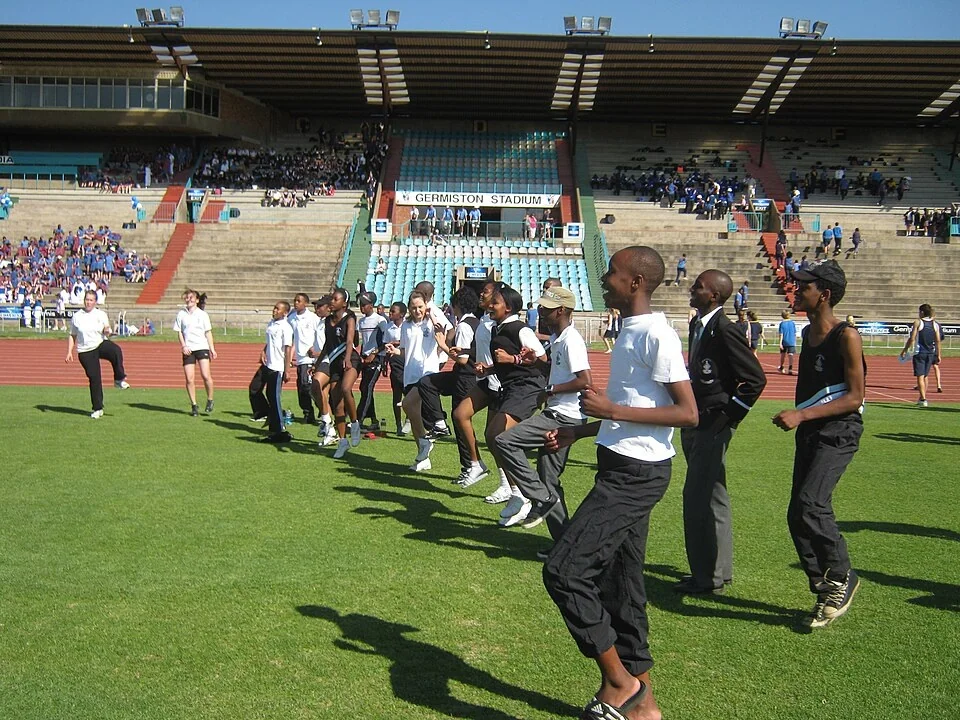
South African researchers followed primary-school children in North West province. Their measurements reveal links between food choices, fitness and growth, as well as the limits of using those links to advise one child.
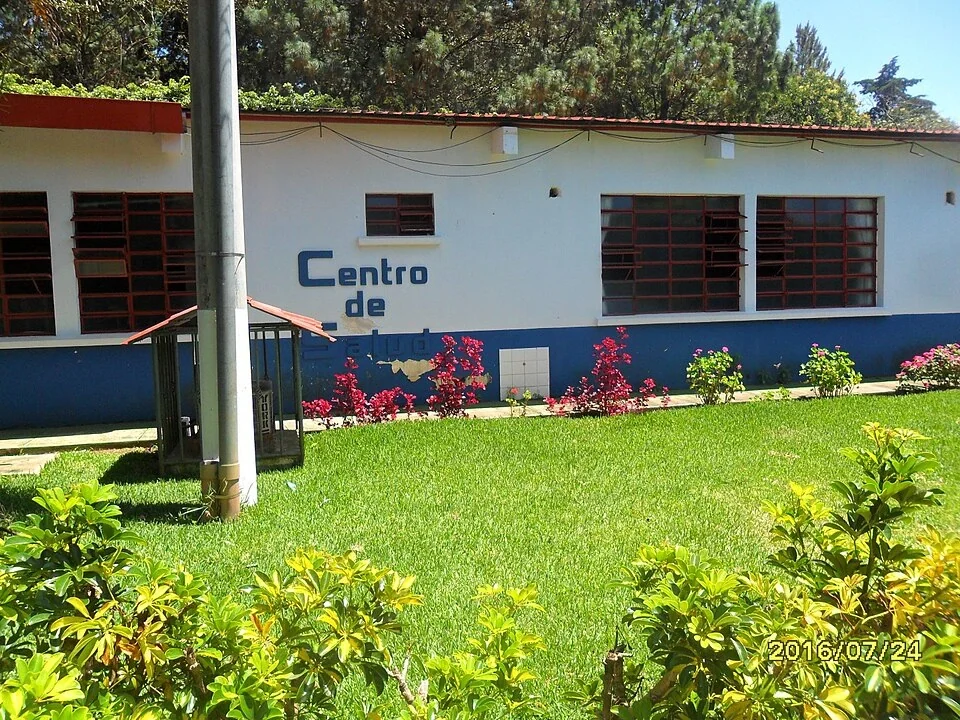
International Indigenous Peoples’ Day honours midwives this year. A Guatemalan advocate’s account draws a distinction between a national day, a promised stipend and support that reaches practitioners.
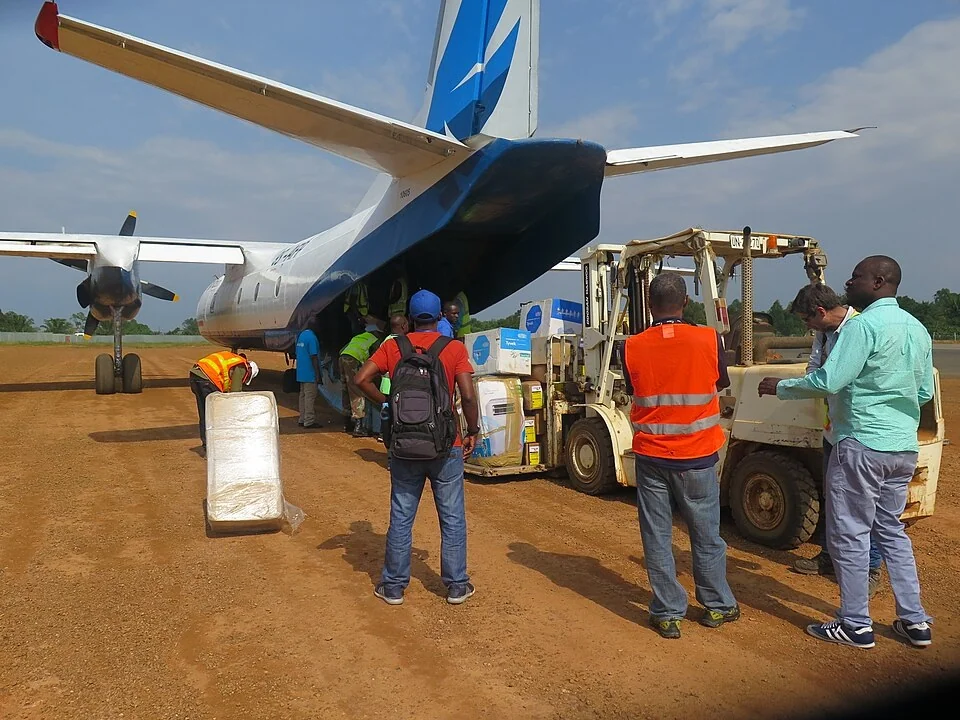
After a visit to Bunia, Africa CDC and WHO called for timely pay and support for frontline workers. Both matter to families who still need ordinary care during an emergency.
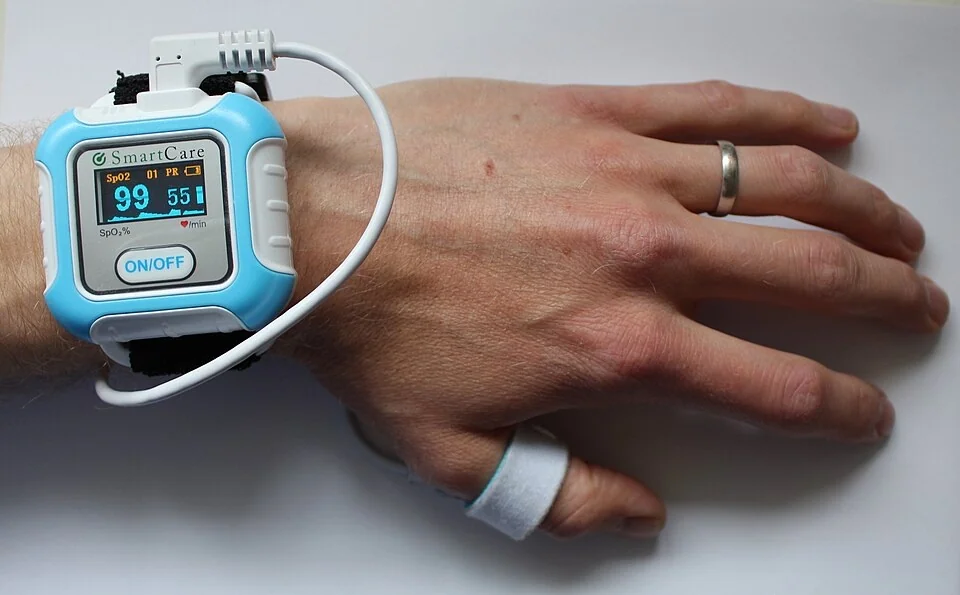
A Tufts prototype was tested across a wider range of oxygen levels than its first study. Healthy volunteers in a laboratory offer one answer to a question that matters in hospital wards.
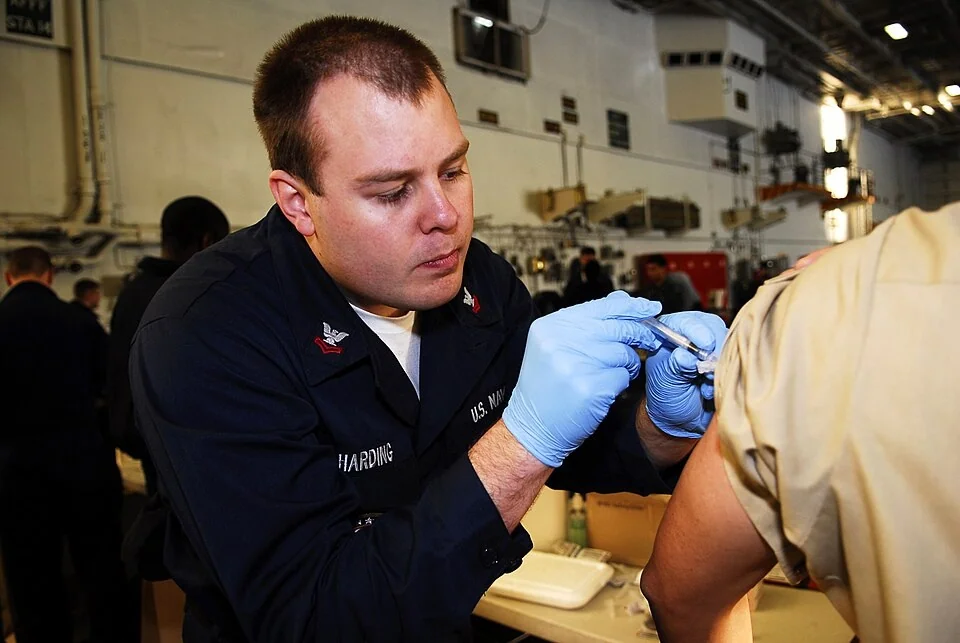
A new US approval covers adults aged 50 and over. The headline efficacy figure compares two vaccinated groups, and the evidence for adults over 65 has a separate follow-up requirement.
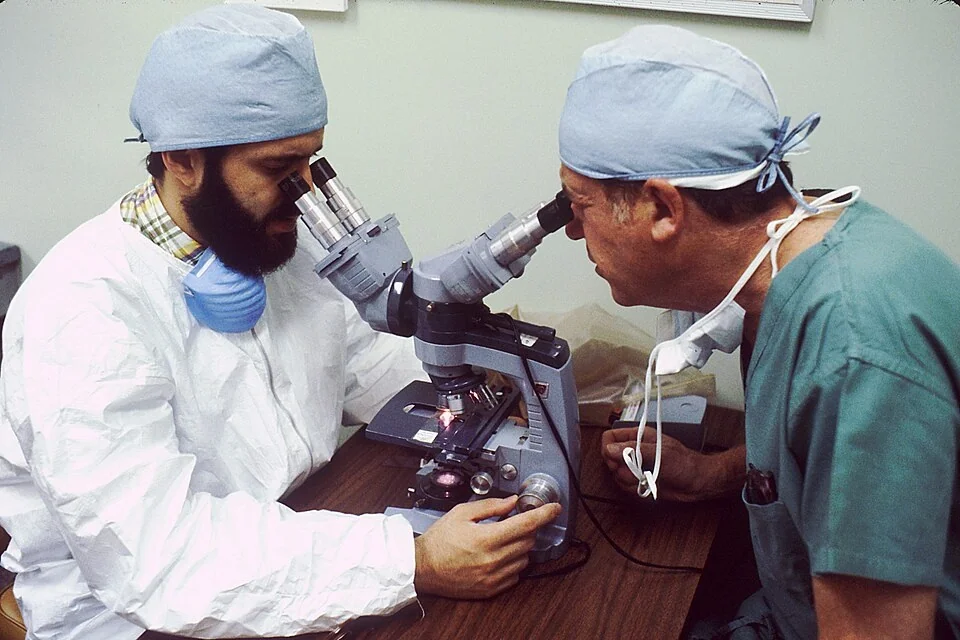
Researchers linked a tumour protein to changes in the lung in animal models and examined human tumour samples. Turning that finding into a result a patient can use is a separate scientific task.
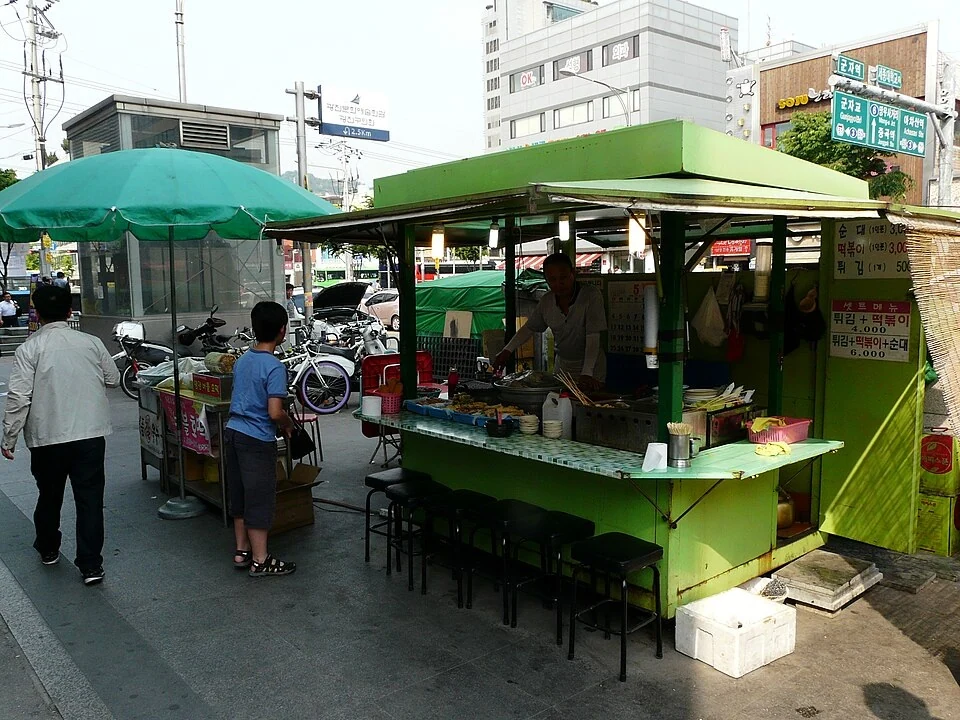
South Korean authorities reported 19 heat-related deaths as an alert extended across Seoul. For people working in heat, a warning only helps if someone can change the shift.
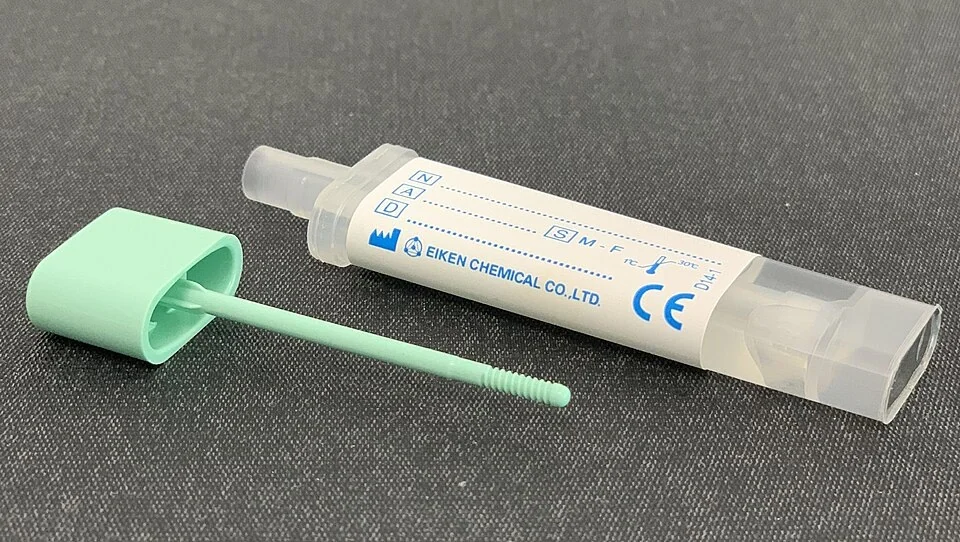
A Spanish study found that bowel cancer mortality halved among adults aged 50 to 69 over two decades. Its strongest lesson may be what happened after the envelope arrived.
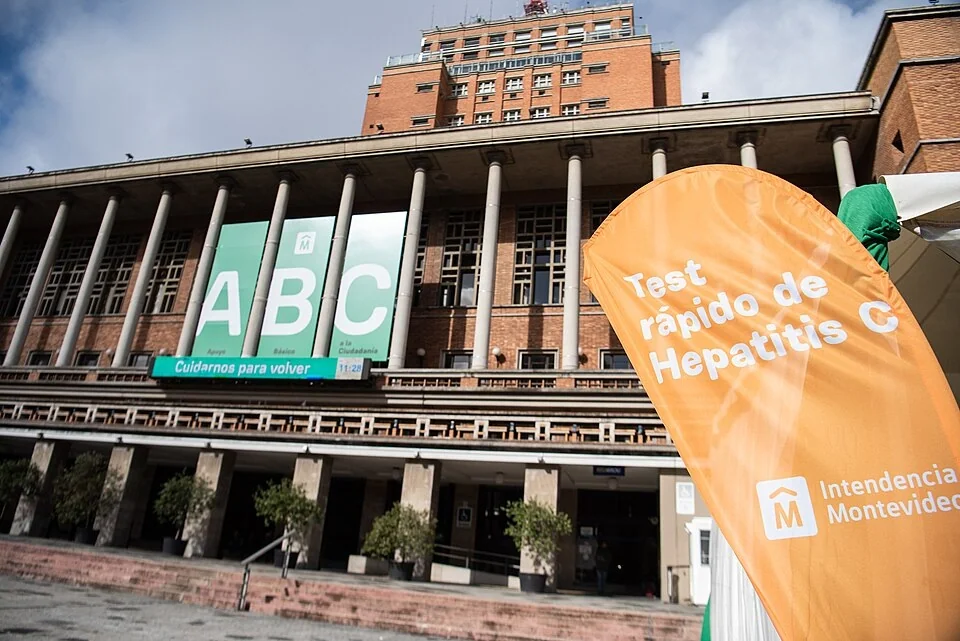
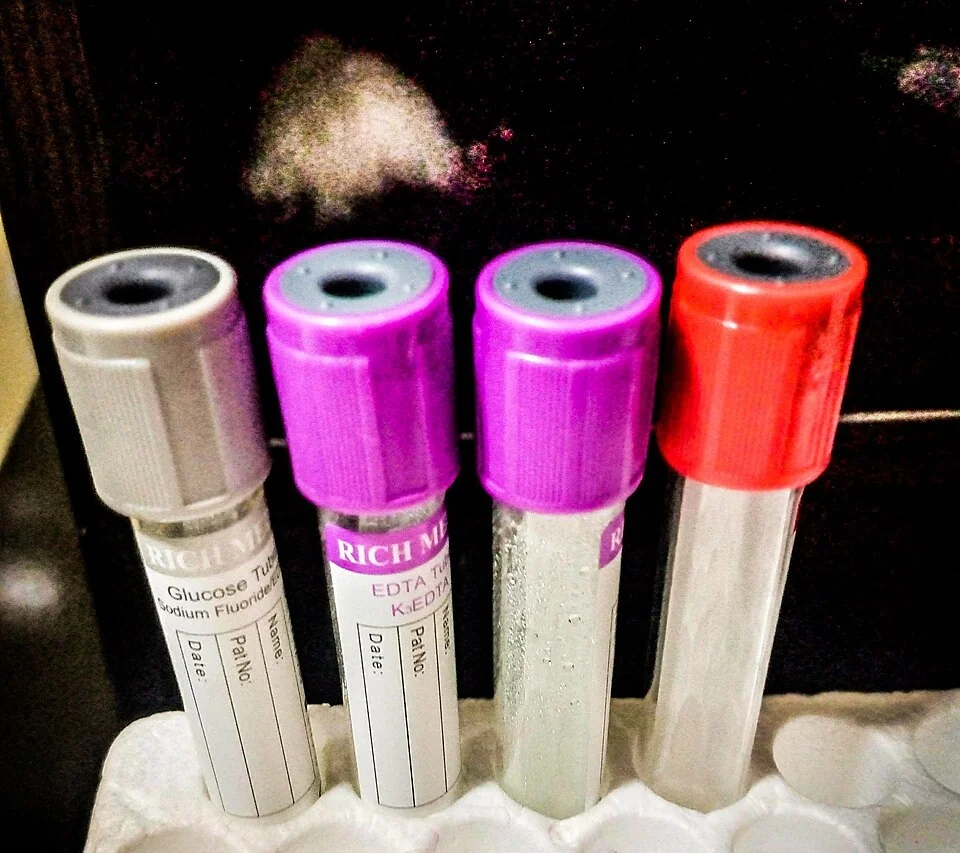
The first test can show past contact with the virus. A second looks for the virus itself. Collecting the sample in one visit can spare patients a costly return trip.
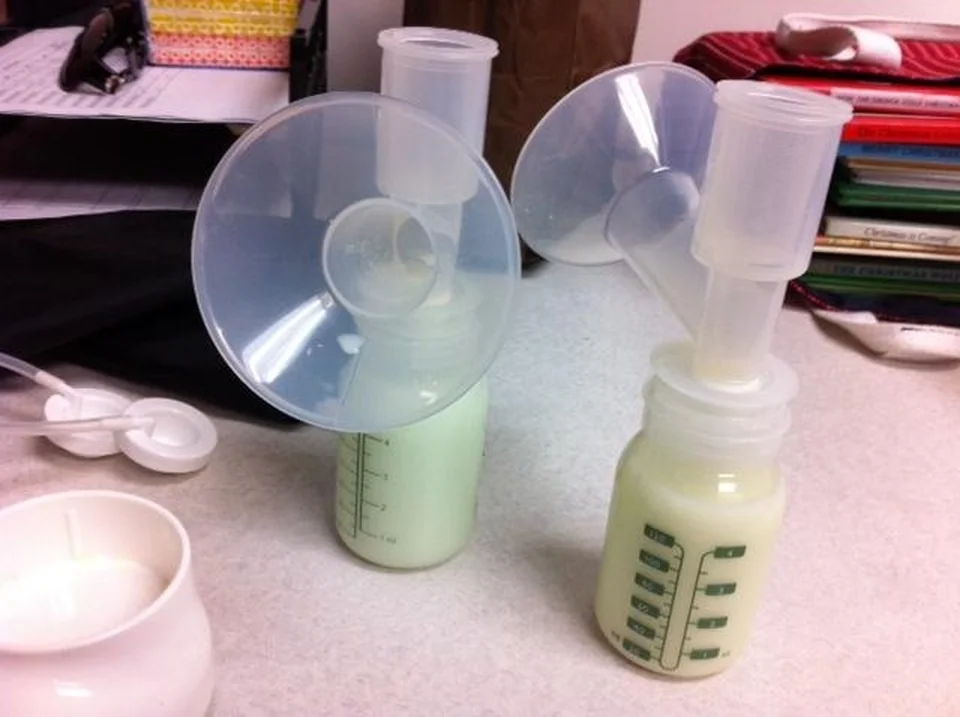
As World Breastfeeding Week opens, WHO and UNICEF are asking who can actually use the support that maternity policies promise. A shift rota can tell a manager more than a poster.