- The 19 reported deaths were a national count across ages and settings.
- Humidity, direct sun, workload and protective clothing affect heat exposure.
- WHO recommends locally designed workplace heat plans that involve workers.
Inside this story 2 perspectives
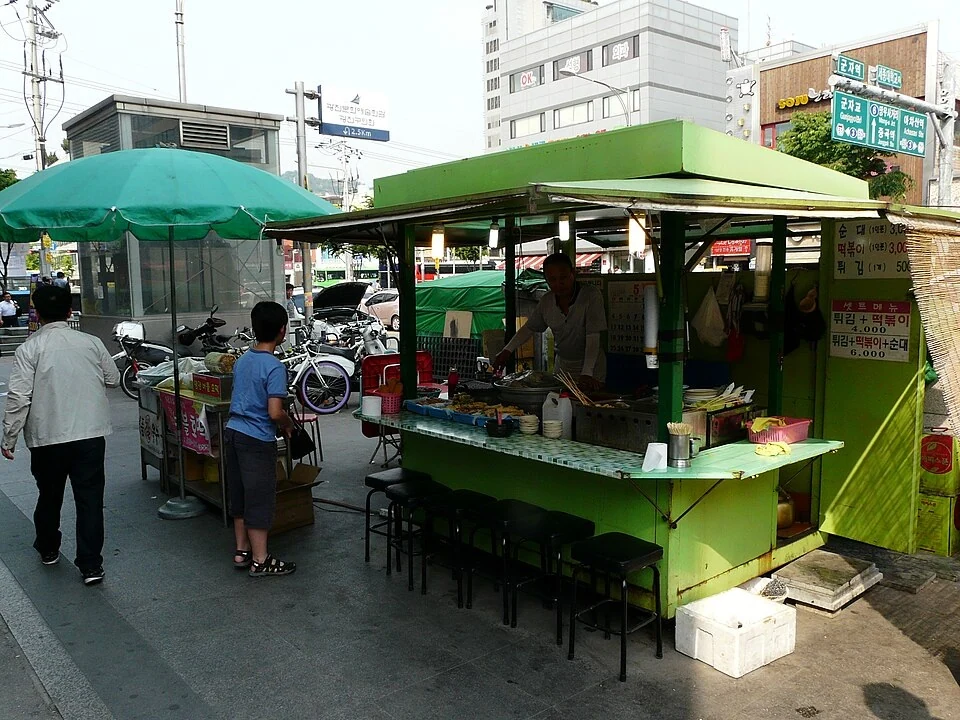
Two baseball games in South Korea were called off on 4 August as the country endured extreme heat. Cancelling a fixture gives players, staff and spectators an unmistakable instruction. For someone working on a building site or delivering parcels on the same afternoon, it may be much harder to tell who has authority to stop the job.
President Lee Jae Myung called the heatwave a national disaster at a cabinet meeting and urged officials to step up their response. The weather warning had extended across Seoul. According to the Korea Disease Control and Prevention Agency, 19 people had died from heat-related illness, including 13 aged 80 or older. Those were deaths reported nationally among the population as a whole. The figures did not establish how many of the people who died were at work.
A forecast cannot describe every shift
A single air temperature can conceal large differences in exposure. A person loading vehicles in direct sun, another working near an industrial furnace and a colleague in an air-conditioned office can spend the afternoon in the same city under very different conditions. The World Health Organization points to humidity, radiant heat, physical effort and the use of protective clothing as factors that affect how much strain the body experiences.
Moving indoors is therefore not always enough. A hot, poorly ventilated production space presents its own problems. Nor can two workers doing the same task necessarily tolerate the same conditions. WHO identifies groups such as older workers and people living with chronic conditions as potentially more vulnerable. Workers who have recently arrived from a cooler climate may also have had less time to adjust.
The decision belongs in the shift plan
An effective work plan has to answer a practical question before the hottest part of the day: who can change the job when the conditions change? A supervisor could identify which tasks can move to an earlier hour, where people can take a cool break, and how a worker can raise a concern while out of sight of the rest of the team. The answers will differ between a farm, a street market and a warehouse. WHO recommends designing occupational heat plans around the local weather, specific work and the people doing it.
There is also a reason to keep these arrangements active beyond declared heatwaves. In an international assessment using 2020 data, the International Labour Organization found that most occupational injuries associated with excessive heat occurred outside formally identified heatwaves. The figure describes a global estimate for an earlier year, rather than conditions in Seoul that day. It offers a useful question for the day after an alert ends. If a room, a vehicle or a field remains dangerously hot, who still has the authority to pause the work?