- The coordinator counted at least 36 staff and contractors killed since January.
- Over 450 reported incidents concerned workers and assets in the first seven months.
- The figures measure different outcomes and should be read separately.
Inside this story 2 perspectives
When the UN’s humanitarian coordinator in South Sudan marked World Humanitarian Day on 19 August, he counted more than the employees of aid agencies. His figure included contractors who died in the course of the work. At least 36 humanitarian workers and contractors had been killed since January, Ramanathan Balakrishnan said, already exceeding the 31 recorded during all of 2025.
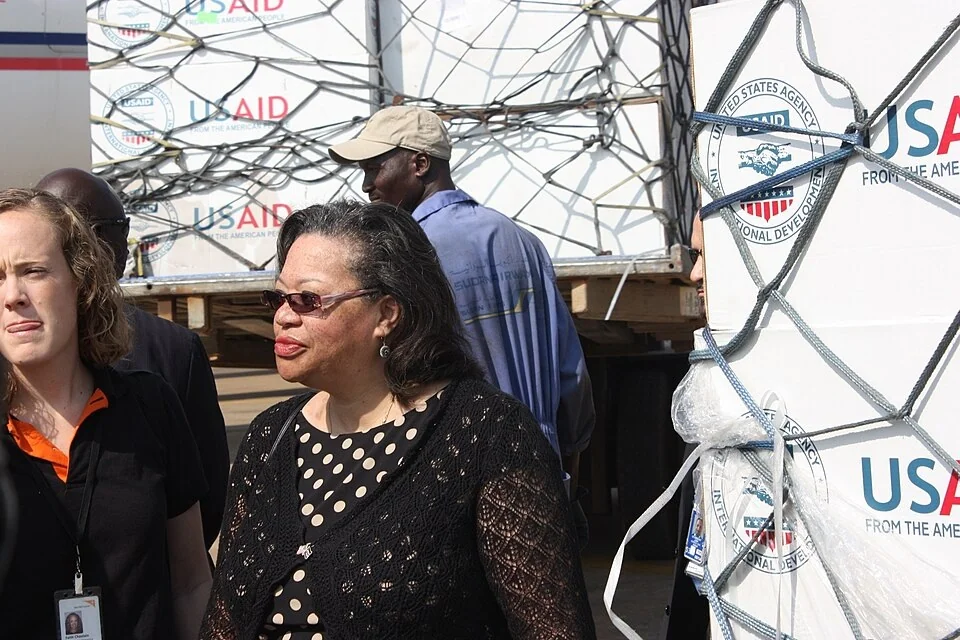
It is a sobering comparison, and the wording matters. A supply of medicines or food depends on many kinds of work. Somebody procures it, somebody records it and somebody may drive the vehicle that brings it within reach of the people who need it. Who issues the payslip can vary. The consequences for a family that has lost someone do not follow those administrative boundaries.
What a different number measures
The coordinator also reported more than 450 incidents of violence against humanitarian workers and assets between January and July, more than twice the number recorded in the comparable period of 2025. An incident count serves a different purpose from a count of deaths. One incident can damage assets, injure people or prevent an activity without a recorded fatality. The two figures cannot be added to produce a meaningful total of people harmed.
A similar care is needed when discussing the people organisations have assisted. Between January and June, humanitarian partners reached 2.6 million of the 4.3 million people they were targeting, according to the coordinator. Reaching someone at least once does not in itself tell a reader how regularly supplies arrived, what kinds of assistance were available, or whether a family’s needs were fully met. It is a measure of reach over a specific period.
For an organisation managing staff and contractors, these distinctions affect what questions get asked after an incident. Was support available to the families of everyone who died? Were the people hired through another company included in the briefing and in follow-up communication? A public report can explain which roles it counted and why. That makes it possible to notice when someone doing essential work has disappeared from the record.
The cost beyond the individual shift
Balakrishnan said insecurity had forced organisations to relocate from some operating areas. The loss to a community then extends beyond the immediate injury or death. A service can become less dependable and a caseworker familiar to a family can become much harder to reach. Resuming a programme involves people with relationships and experience, as well as the physical supplies.
In its World Humanitarian Day statement, the World Health Organization called for greater protection for health and aid personnel. In South Sudan, the coordinator asked for investigation of attacks and safe access to people needing help. The next meaningful measure will go beyond how often courage is acknowledged. It is whether the people doing the work, whatever the name on their contract, can do it in safety and return home.