- Thirteen of 15 vaccinated volunteers avoided infection in a controlled challenge.
- This small phase 1 study does not establish protection in children or everyday transmission settings.
- Existing vaccination programmes and mosquito-prevention measures remain essential.
Inside this story 2 perspectives
A malaria vaccine candidate has prevented infection in 13 of 15 vaccinated volunteers in a small, controlled human study. The results, presented on 19 November, offer an encouraging research signal for a disease whose heaviest burden falls on Africa. They do not yet establish how well the vaccine will protect children or communities facing repeated mosquito exposure.
UW Medicine reported that all seven placebo recipients developed infection, compared with two in the vaccinated group. Participants underwent the supervised challenge 12 to 16 weeks after their final dose. Everyone who became infected received prompt treatment. The reported efficacy was 87%, but the size and setting of the study matter as much as that headline number.
What was actually tested
According to developer Sanaria, the randomised, double-blind phase 1 trial involved healthy adults aged 18 to 45 who had not previously had malaria. Its vaccine, PfSPZ-LARC2, uses parasites engineered to stop developing in the liver before reaching the disease-causing blood stage. The company reported no vaccine-related serious adverse events, although one temporary fall in a type of white blood cell reached a Grade 3 laboratory threshold.
Sanaria gives a 95% confidence interval of 60% to 99% for efficacy. That wide range is a useful reminder that a small experiment cannot produce a precise population-wide estimate. The findings were announced at a scientific meeting; a final clinical study report is expected in early 2027. Company communications also disclose financial interests among some researchers.
The next question is everyday protection
A controlled challenge allows researchers to observe whether infection occurs under carefully monitored conditions. Everyday exposure is different. Age, previous infections, circulating parasites, dosing and the durability of protection all become important when moving from volunteers to communities. These are reasons to keep testing, rather than reasons to dismiss a promising result.
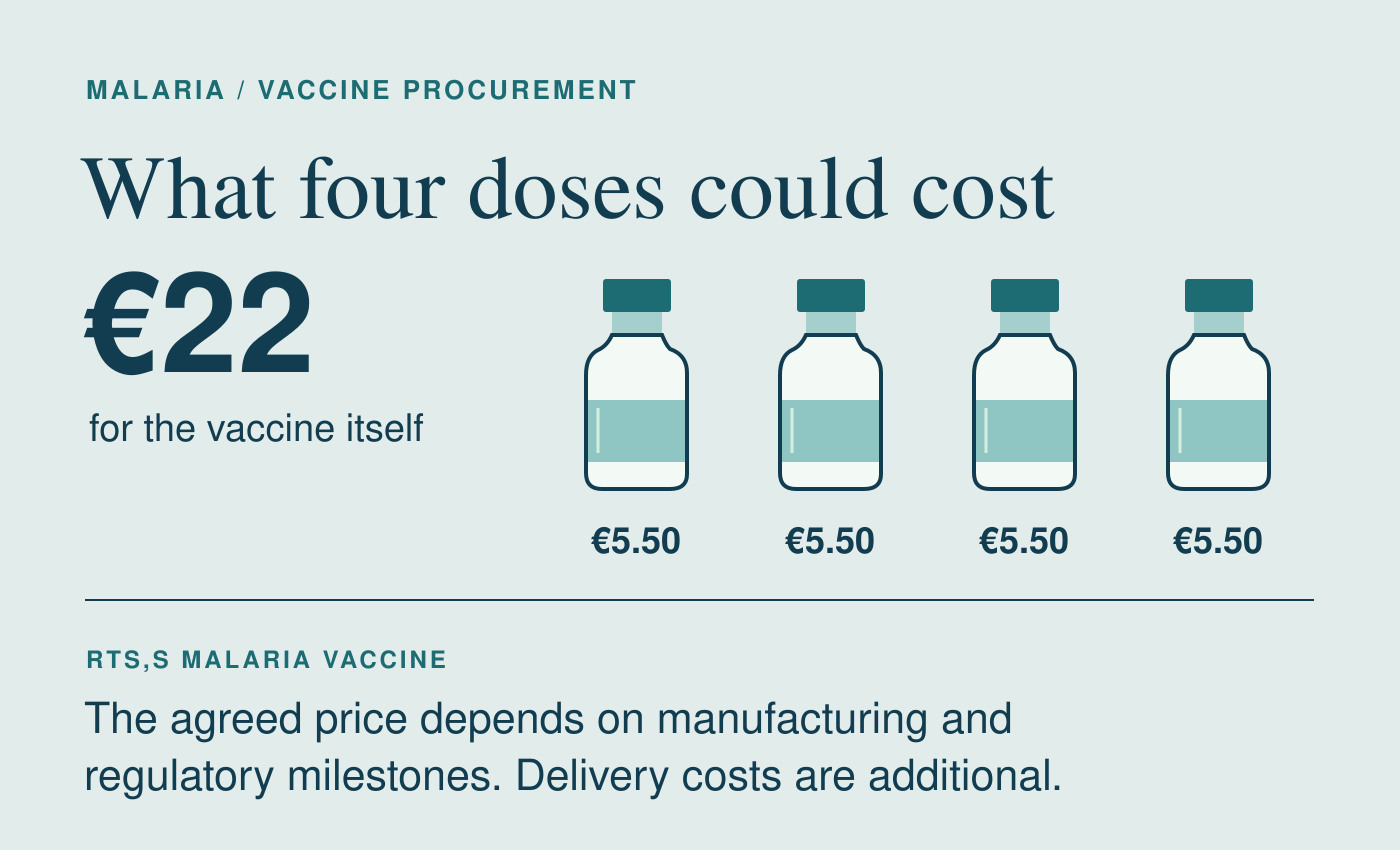
For African readers, the distinction is practical. A new candidate does not replace the tools already available. WHO recommends the RTS,S/AS01 and R21/Matrix-M vaccines for children in relevant malaria settings, alongside other interventions. Its guidance also emphasises insecticide-treated nets, mosquito-bite prevention and prompt diagnosis and treatment. Travellers should discuss destination-specific prevention with a health professional before departure.
The useful response to this announcement is informed optimism. The research points towards another possible approach to preventing infection, but availability, long-term protection and effectiveness in the people most affected remain separate questions. A result from 22 challenged volunteers is the beginning of that assessment, not its conclusion. For families and employers planning travel now, established prevention remains the immediate decision; this candidate belongs on the research watchlist.