- A Kenyan trial assigned 413 secondary-school students with elevated symptoms to one of two four-week groups.
- Both groups reported improvements, with larger reductions in the Shamiri programme.
- The findings were based on questionnaires in four schools, with some pupils lost to follow-up.
Inside this story 2 perspectives
When adults ask pupils what would make school easier, the answer might be a quieter place to study or a chance to talk to someone who will listen. UNICEF's invitation for World Children’s Day on 20 November gives children room to say which. A study in Kenya offers a more specific lesson about what can happen when schools set aside time for teenagers who are already struggling.
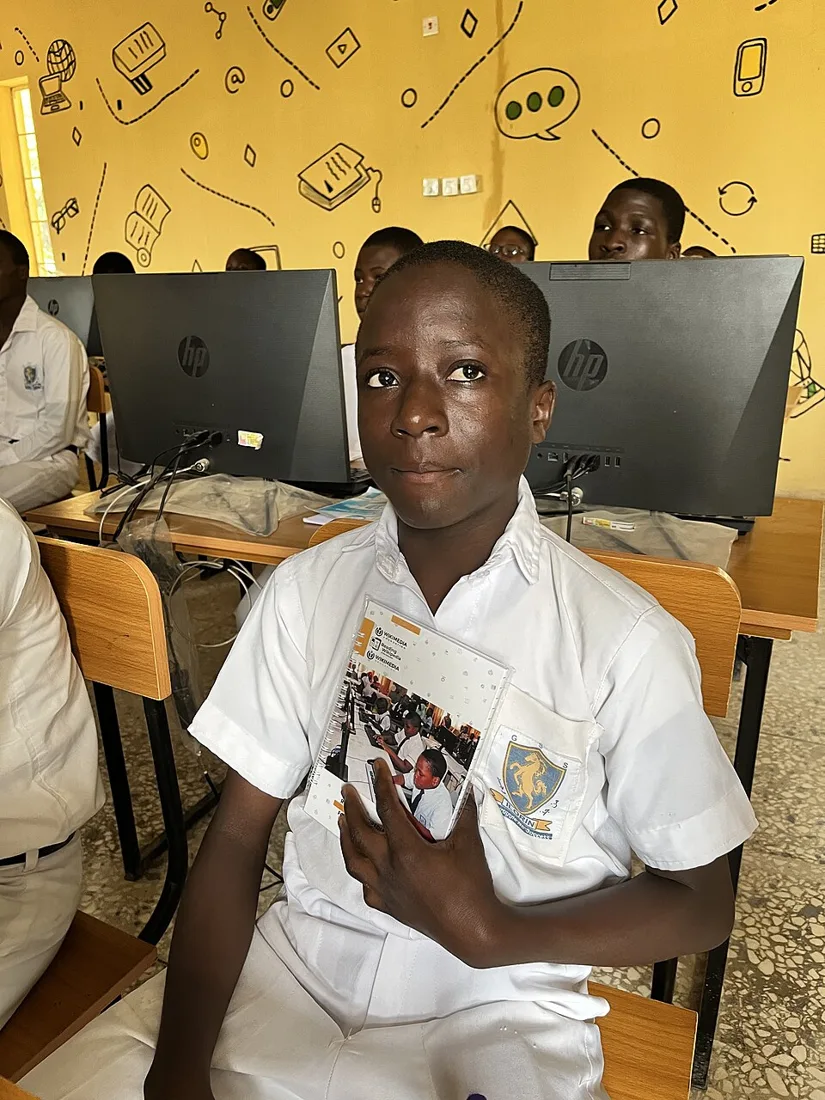
The Kenyan work dates to 2021. It involved 413 secondary-school students in four schools in Nairobi and Kiambu County who reported elevated symptoms of depression or anxiety. Researchers randomly assigned them to one of two programmes, each lasting four weeks. Both gave students the chance to meet in groups. What they did with that time differed.
A fairer test than an empty timetable
One group took part in Shamiri, a programme led by trained lay facilitators. Pupils discussed qualities and skills that can grow through practice, things for which they felt grateful and values they wanted to live by. The comparison group worked on study skills. Putting both groups in organised sessions gave the researchers a more demanding comparison than simply offering some students an activity and leaving the others on their own.
Students in both groups reported fewer symptoms over time. The Shamiri group reported larger reductions in depression and anxiety symptoms, and differences were still present at seven months. That finding is encouraging, particularly for schools thinking about what a trained facilitator can contribute alongside specialist services.
There are limits to what four schools can tell us. The outcomes came from questionnaires, and some pupils did not complete the follow-up. A difference in average scores cannot tell us whether a particular teenager recovered, or which activity in the programme made the difference. The students started with elevated symptoms. A school offering sessions to an entire year group would be serving a different population.
What pupils can tell a school
WHO estimates that about one in seven young people aged 10 to 19 globally experiences a mental disorder. That estimate puts the issue in perspective. It gives a headteacher little guidance about whether pupils in a particular school can ask for help discreetly, what language they would prefer to use or whom they would trust with a concern.
Those are questions pupils can answer themselves. A school considering a group programme could also ask who will supervise facilitators and where a student who needs more support can go. WHO distinguishes programmes that promote mental health from treatment for diagnosed conditions. A school can plan for both by knowing what it can offer and who takes the next referral.
For World Children’s Day, listening can start with a small commitment adults can keep: ask pupils for one change, then return to explain what happened to their suggestion.