- National School Psychology Week runs from 9 to 13 November in the US.
- School psychologists help families and teachers understand learning and behaviour.
- A follow-up lets the pupil and staff compare how a change worked.
Inside this story 2 perspectives
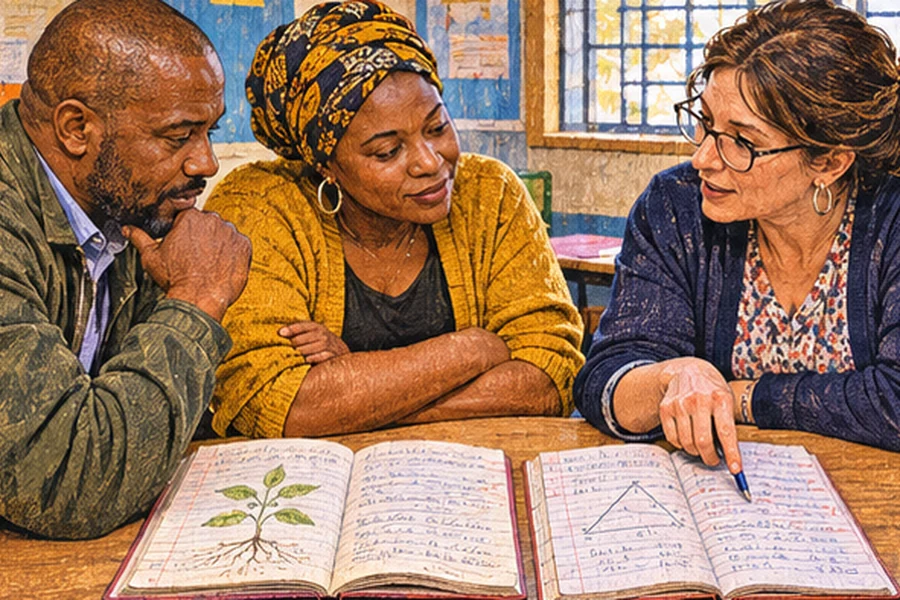
A pupil who looks distracted in the first lesson may spend the afternoon absorbed in a class project. A teacher who sees only the morning and a parent who hears only about the project have good information. They simply have different pieces of it. A school psychologist can help the people who know a child bring those observations into the same conversation.
In the United States, National School Psychology Week runs from 9 to 13 November. This year the National Association of School Psychologists has chosen the theme Inspire Connection. It is an invitation to consider the relationships among pupils, families and school teams. The profession’s own account of its work includes consultation, learning and behaviour support, mental health and using evidence to work out what is helping. For a family attending its first school meeting, the consultation part may be easiest to overlook.
Bring an observation with a date on it
There is a difference between saying that a child always gives up and describing the second half of Tuesday’s reading lesson. The second account can tell a team when the difficulty appeared, what the task required and what happened next. It also leaves open the possibility that Wednesday went differently. A child is more than an adult’s most recent impression, and people trying to help need a description they can compare with another observation.
A useful question for the child is when the same activity feels a little easier. A child who struggles to begin a written task might remember a lesson in which the first step was especially clear. A family may have noticed that two sets of instructions at once are hard to follow elsewhere. Neither observation establishes a diagnosis. Both can help a team decide what further information it needs and what modest classroom adjustment might be worth trying.
Agree on how to meet again
Families can leave a school meeting relieved simply because somebody listened. There is value in a second, more practical form of reassurance. Who will try the agreed change, what can they observe and when will the people involved compare notes? A brief follow-up gives the pupil a chance to say whether the change was useful. It also leaves room for the teacher to report that the first idea made little difference.
School psychologists work within different systems, and families’ routes to support vary between countries and schools. The transferable part of the American observance is small enough to use almost anywhere. Before the next difficult conversation about a pupil, ask who sees them doing well and invite that person’s perspective too. The moment when something works can be just as informative as the moment when it goes wrong.