- Columbia published its 2026–27 Climate LIVE programme on 21 October.
- Jenna Lawrence’s biodiversity session is scheduled for 18 November at 4pm Eastern time.
- Sessions are free with registration and include time to ask questions.
Inside this story 2 perspectives
A half-hour webinar with a scientist leaves limited time to ask about the future of life on Earth. It leaves plenty of time to ask what a scientist would need to measure to know whether a local pond had gained or lost diversity. Those two questions may come from the same concern. The second gives the speaker somewhere to begin and the student a way to decide whether the answer was understood.
Columbia Climate School published its Climate LIVE programme for the academic year on 21 October. The free sessions take place on Zoom, require registration and include an opportunity for questions at the end. For 18 November it has scheduled a half-hour session on biodiversity with Columbia’s Jenna Lawrence, starting at 4pm Eastern time. The programme identifies high school students, undergraduates, teachers and the public among the intended audience. Recordings are to be made available afterwards.
Decide what you mean by diversity
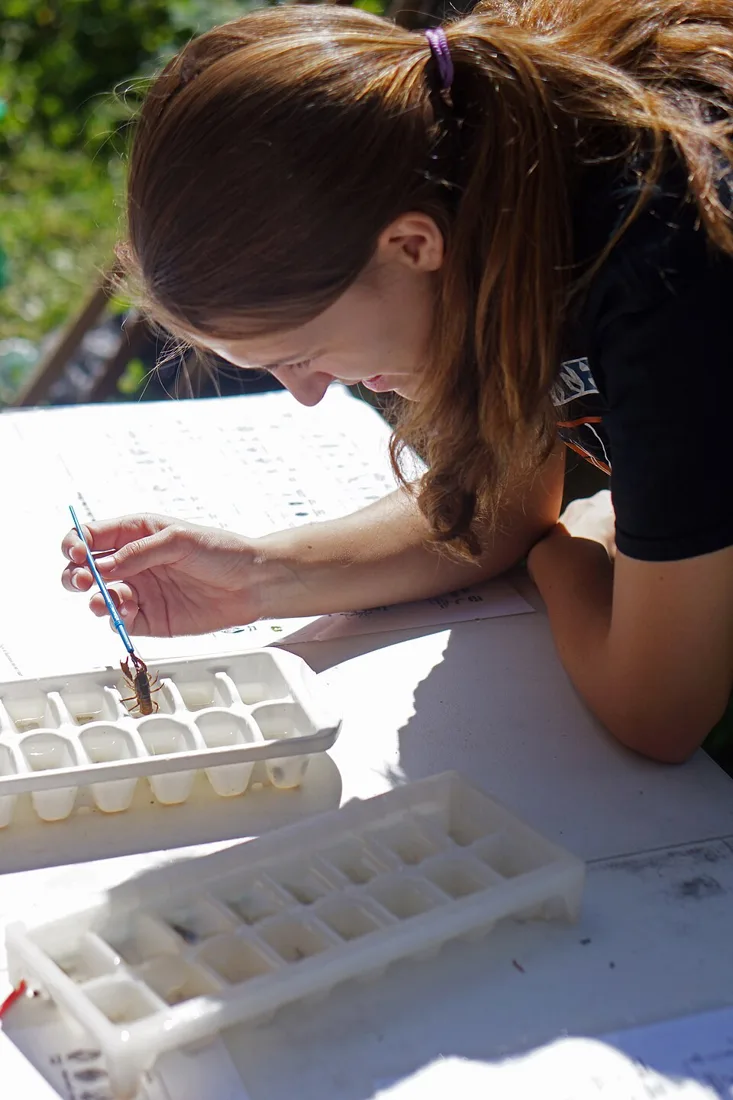
The Convention on Biological Diversity includes variation within species, between species and among ecosystems in its definition. Those distinctions give a class an immediate way to narrow a question. Counting different bird species near a pond asks about one kind of diversity. Asking how much variation exists within a population of a single bird species asks about another. Observing the number of different habitats in a district takes the question out to a broader scale.
The next step is to say what you actually noticed. Suppose a student has seen fewer kinds of birds on two recent visits to the pond. That is an observation about two visits. It does not establish a long-term loss of species. Asking how many visits, during which seasons and under what comparable conditions would make the observation easier to interpret gives a researcher something concrete to discuss. You have kept the concern that prompted the question while making room for more than one possible explanation.
Leave space for the answer
Columbia’s programme runs through June and includes sport, climate finance, drinking water and wildfire management. The same habit works across subjects. In a discussion of a sporting event, a question about emissions can specify whether it concerns spectators’ journeys, venue operations or the whole event. Those boundaries influence what evidence a speaker can reasonably offer.
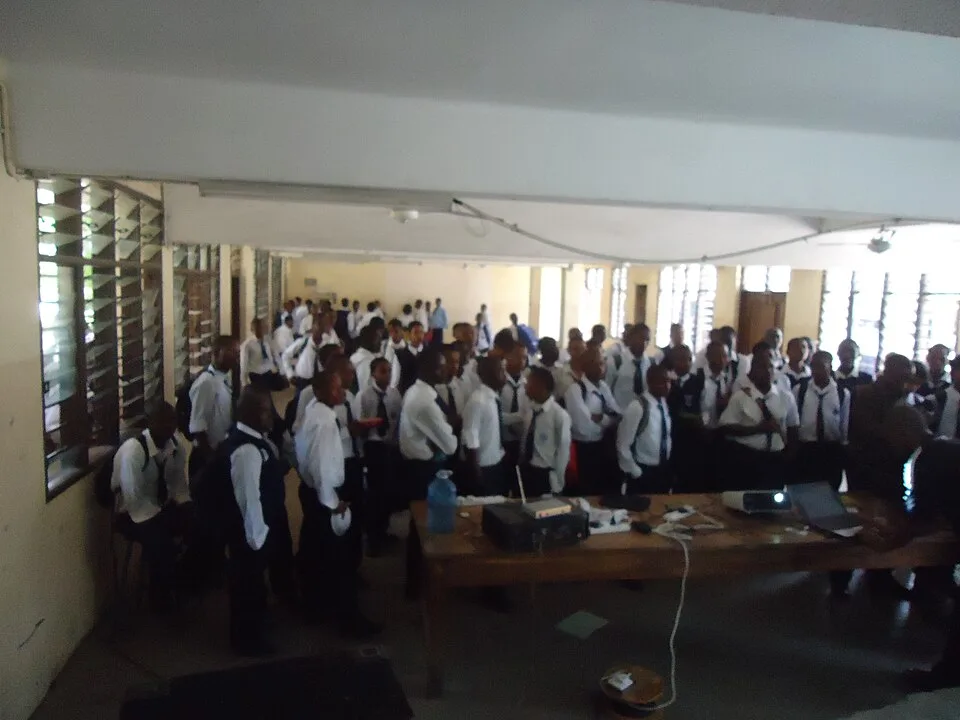
For a classroom joining the November session, one group could keep a note of what the speaker actually said while another records what remains uncertain. A recording can help settle a missed detail afterwards. The more important gain may be a better second question. A student who began with a broad worry about a local pond can leave knowing what to observe, which comparison would be fair and exactly where further information is needed.