- The historical study compared regional mortality from 2004 to 2024.
- Among adults aged 50 to 69, age-standardised colorectal cancer deaths fell from 39.7 to 19.8 per 100,000.
- Participants with a positive screening test needed follow-up, and the study cannot isolate the effect of screening from every other change.
Inside this story 2 perspectives
A letter with the wrong address can interrupt a cancer screening programme before a test has even begun. The Basque Health Service includes that eventuality in its written instructions. Staff are to look for a new address if an invitation cannot reach its intended recipient. It is an easily overlooked detail in a study whose main finding concerns deaths across an entire region.
On 3 August, JAMA Network Open published an analysis of colorectal cancer mortality in Spain’s Basque Country from 2004 to 2024. In 2009 the region began offering a home stool test every two years to people aged 50 to 69. Over the study period the age-standardised death rate from this cancer in that age group declined from 39.7 to 19.8 per 100,000. Across the whole population, the decline was smaller, about 30 per cent.
Why the age group matters
A rate per 100,000 describes a population over time. Age standardisation lets researchers compare periods even as the mix of younger and older people changes. The roughly 50 per cent decline does not establish that any individual who returned a kit halved their own risk of dying. The researchers studied a regional programme, including people who would have missed, declined or never received an invitation.
The historical records covered a population of about 2.2 million. The researchers found a change in the mortality trend around 2012, three years after screening began. Of the cancers detected through screening, about seven in ten were found at stage I or II. Detecting a cancer earlier offers one explanation for the findings. Removing certain precancerous growths identified during follow-up offers another.
There are other possible influences over two decades, including changes in treatment. The authors used a retrospective observational design. There was no random allocation of residents to different screening systems, so the results cannot assign all the improvement to the invitations and test kits.
From the envelope to an appointment
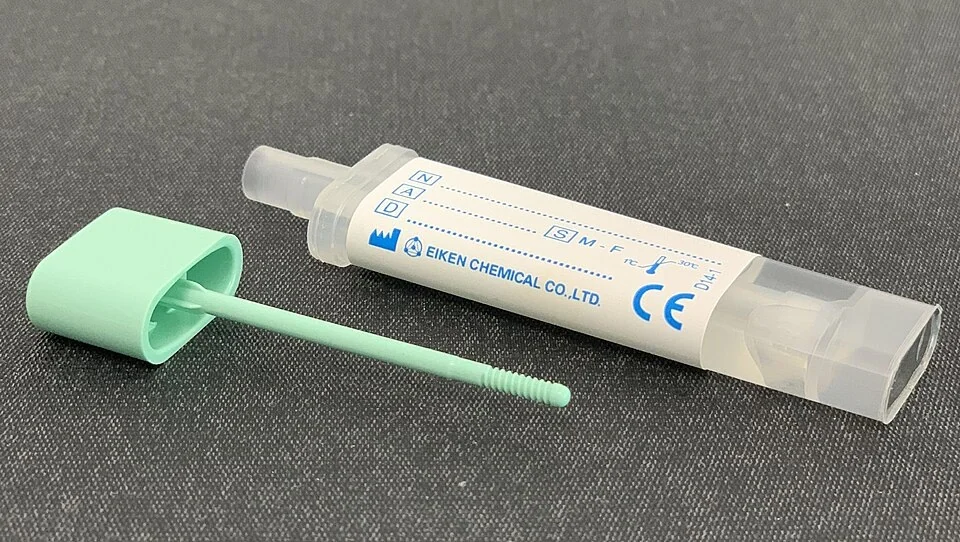
The faecal immunochemical test, usually shortened to FIT, looks for blood in a stool sample. A positive result calls for further assessment, usually a colonoscopy. It is not a diagnosis of cancer. The service must be able to reach the participant again, arrange the examination, communicate the outcome and organise treatment when necessary.
That sequence gives a health system considering similar screening several measures worth checking before it counts success. How many kits reach the correct address? How many come back? Of the people asked to have a colonoscopy, how many actually receive one? Regions with different participation rates or capacity for follow-up cannot assume the same decline in deaths. The Basque records tell a story about the whole route from invitation to care, including the work needed when the very first letter goes astray.