- The Organ Donor Foundation asks people to complete registration and discuss their decision with family.
- Its account of unfinished registrations covers people who started its online process.
- Medical suitability is assessed by clinicians when donation becomes a possibility.
Inside this story 2 perspectives
A person can have a settled view about organ donation and still leave the people closest to them unsure what they want. A donor card may be tucked into a wallet. An online registration may still be sitting on a half-completed screen. In a hospital, a relative is much more likely to remember a conversation than a form they did not know existed.
During South Africa’s Organ Donor Awareness Month, the Organ Donor Foundation has drawn attention to that gap. According to figures it supplied to local reporting published on 13 August, three quarters of people who start its online registration process leave without submitting it. That figure describes an unfinished administrative step among a particular group of website users. It says nothing on its own about the proportion of South Africans willing to donate or the reasons a person closed the page.
What filling in a form does
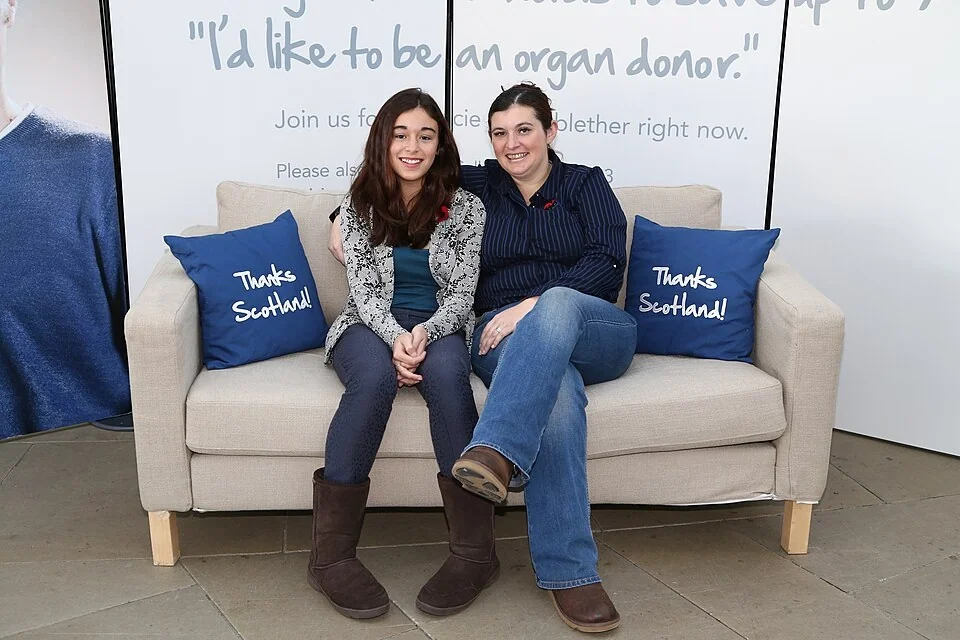
The foundation describes registration as a way to record an intention. It also encourages people to tell a family member what they have decided, including any limits they wish to set on the organs or tissue they would consider donating. In the process the foundation describes, relatives are asked about consent when donation becomes a possibility. A conversation long before a crisis can spare somebody the additional burden of guessing.
The person registering does not have to determine whether their organs would be suitable, and the foundation says no medical tests are required to sign up. Suitability is assessed by medical professionals at the relevant time, taking account of the circumstances and medical history. An existing condition does not automatically answer that question one way or the other.
There is another distinction that can get lost in an ordinary conversation. Organ and tissue donation are related, but they do not always involve the same time constraints. Many donated organs need to reach a recipient quickly. Certain tissues can be stored at a tissue bank for later use. A person who wants to express preferences about either can say what they mean explicitly, rather than assuming their relative will attach the same meaning to the word donor.
A conversation with room to change
A family discussion does not have to end with everybody making the same decision. One person may want to record a wish immediately. Another may have questions for a clinician or a spiritual adviser. A third may change their mind later. The foundation advises people who change their decision to tell their family as well.
The practical question for this August is small enough to ask at home. If someone who loves you were asked what you wanted, would they know the answer in your own words? Whether that answer is yes, no or still undecided, saying it gives the people closest to you something a half-completed form cannot.