- UNESCO recognised Bogotá’s Escuelas LEO on International Literacy Day, 8 September.
- The public library network launched the programme in 2024.
- Reported enrolment rose from 320 people in 2024 to 443 in 2025, a measure of participation.
Inside this story 2 perspectives
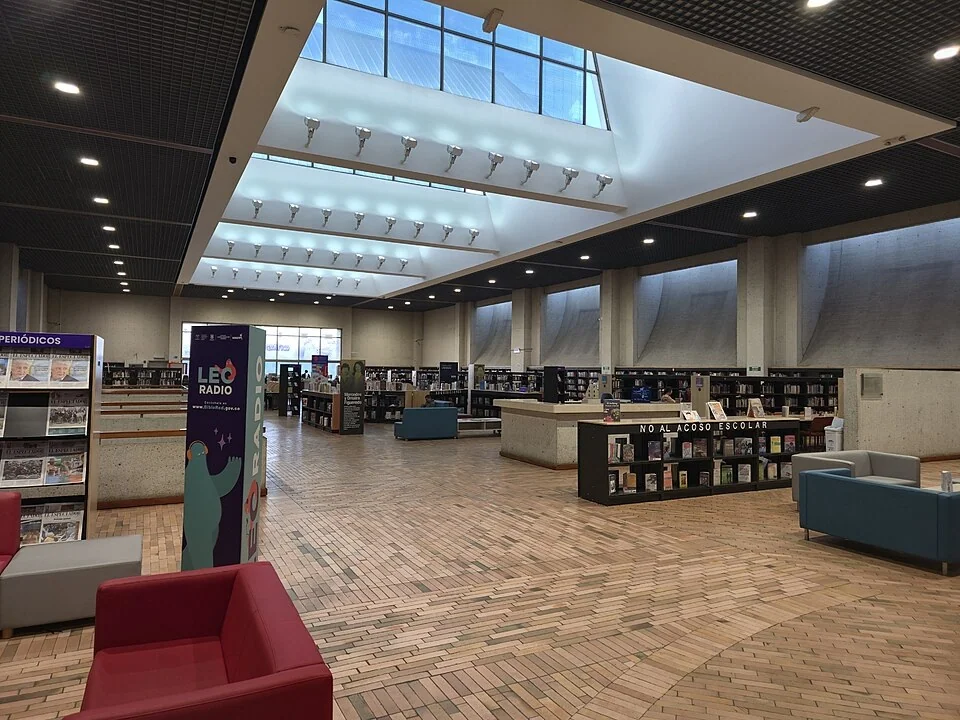
Someone who struggles with a printed form may still know a family history in extraordinary detail. A confident Spanish reader can be a beginner when a conversation moves into a different language or a signed exchange. In Bogotá’s public libraries, a literacy programme has made those differences a starting point for learning. On 8 September, UNESCO announced that Escuelas LEO had won one of its King Sejong Literacy Prizes.
BibloRed, the city’s public library network, launched the programme in 2024. UNESCO describes it as working with groups including Indigenous and Deaf communities, migrants and people displaced from their homes. Its reported enrolment rose from 320 in the first year to 443 in 2025. Those numbers show more people taking part. They cannot, on their own, tell an outsider which skills any one participant came to learn or how far that person progressed.
Who brings the knowledge
The city describes two formats as circles of conversation and human libraries. Both ask people to bring experience and knowledge into a shared space. A library organised solely around finding the right item on a shelf would miss some of that material. A community member may know a story, name or tradition whose most complete version has never appeared in the books that happen to be available locally.
Escuelas LEO’s approach gives spoken expression a place alongside reading and writing. The organisers also work across languages and with different forms of communication. The point for a learner is practical. Being invited to begin in a language or medium they know well gives them a way to contribute immediately, even if they need help with another part of the exercise.
What counts as progress
The King Sejong prize recognises programmes that develop literacy through people’s mother languages. That emphasis can change the questions asked when a class ends. Did the learner gain access to a written text they wanted to use? Did a group find a way to record knowledge while retaining the language in which it made sense? Did someone who had stayed silent become able to take a turn in the discussion?
These are examples of questions an educator might use, rather than measured outcomes being claimed for everyone in Bogotá. They illustrate why one common test, administered in only one language, can capture only part of what a public library sets out to do.
The city says community leaders and the Muisca council of Suba are among those who have taken part in the wider work. That makes an important difference to what a library can offer. A participant may be there to learn how to handle a written document and at the same time be the person most qualified to teach everyone else something that has never been written down.