- World First Aid Day on 12 September focused on migration.
- The federation describes more than 600 humanitarian service points worldwide.
- Volunteers in Sudan and Türkiye described referral pathways and multilingual training.
Inside this story 1 perspectives
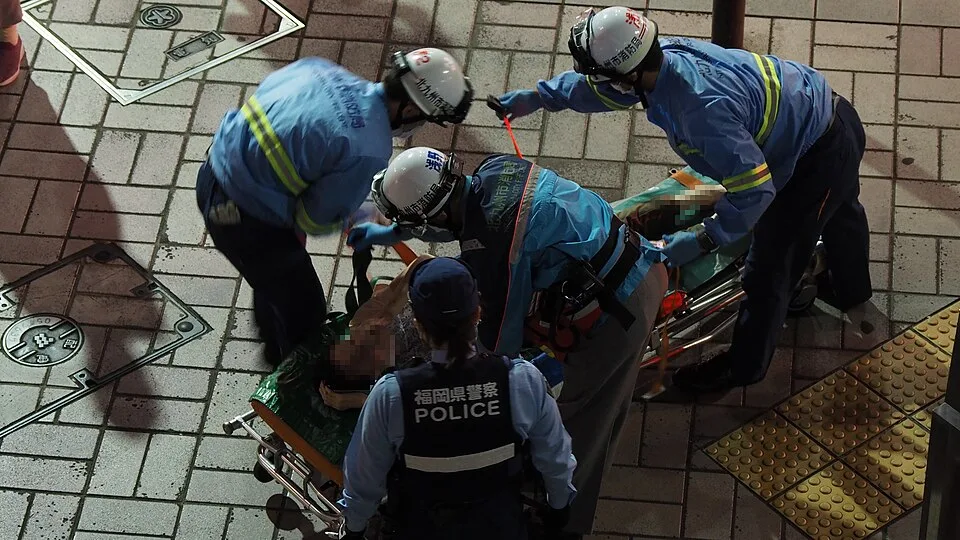
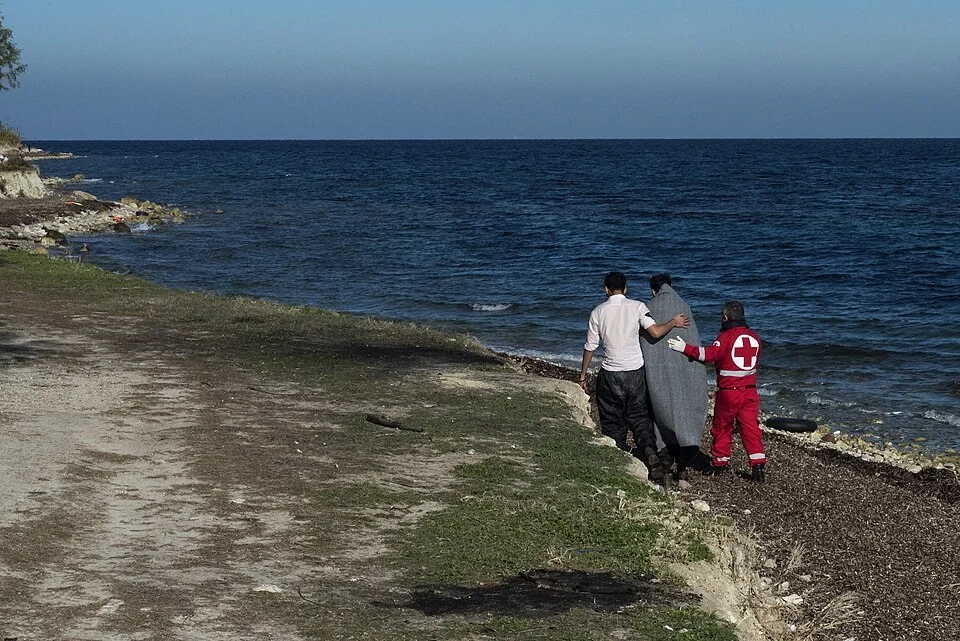
A person can reach a first-aid point and still face an obstacle: explaining what happened, understanding the reply and knowing where to go afterwards. World First Aid Day on 12 September focused on people on the move. Accounts published by the International Federation of Red Cross and Red Crescent Societies describe volunteers who treat minor injuries, offer emotional support and help people reach a service with the capacity to do more.
In Sudan, volunteer Bushra Mohammed Mustafa Al-Imam described the first-aid point at the Khor Taqat displacement centre as a place people turn to when they arrive. The team cares for wounds and refers people who need more advanced treatment. That last responsibility is easy to overlook. A volunteer can recognise the limits of what a first-aid point can do, yet a referral will only prove useful if a person can understand it and reach the next service.
The Turkish Red Crescent described a different part of the same work. Since 2015 it has organised first-aid awareness sessions and training in refugee camps, community centres and schools for migrant children. It has prepared guides in several languages and developed kits for participants' needs. The information a child can use at school and the information an adult can understand during a stressful journey may require different forms, even when the underlying advice is the same.
Help along the route
The federation describes more than 600 humanitarian service points run by national Red Cross and Red Crescent societies around the world. Their purpose is to give people access to assistance and reliable information irrespective of migration status. The needs of someone setting out can differ from those of a person who has spent days travelling or has just settled in an unfamiliar community. Workers at a fixed location may see all three situations in a single day.
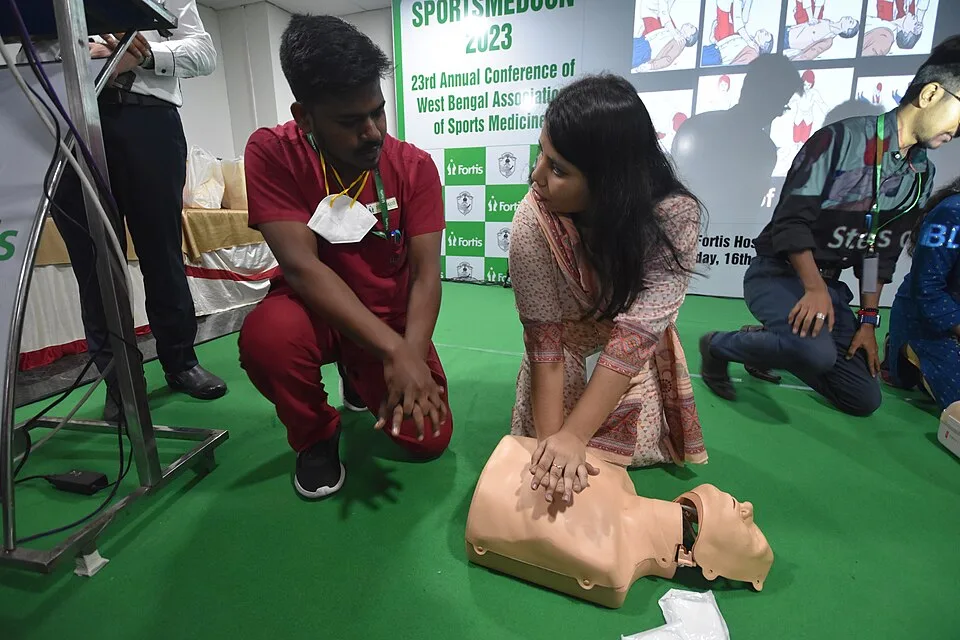
Cochrane First Aid, which works on evidence for first-aid practice, also marked the observance. It drew attention to making trustworthy guidance available to diverse audiences. For someone organising a community session, that raises practical questions before a single demonstration takes place. Which languages do the people attending use? Can a participant ask a question privately? Do those giving advice know the local service to which a person can be referred?
The federation's definition of people on the move includes those displaced by war or disaster as well as people migrating for other reasons. Their circumstances and choices differ. What its volunteers' accounts share is a sequence simple enough to be missed in a count of dressings or kits: someone arrives, a person listens, immediate needs are addressed, and the next step is made understandable. The quality of that final handover is part of the help itself.