- The Atteridgeville programme combined a community dialogue and an e-waste drive.
- South Africa generates more than 360,000 tonnes of electronic waste annually, according to the deputy minister.
- Reliable collection and accessible drop-off points are among the practical issues raised in the official remarks.
Inside this story 2 perspectives
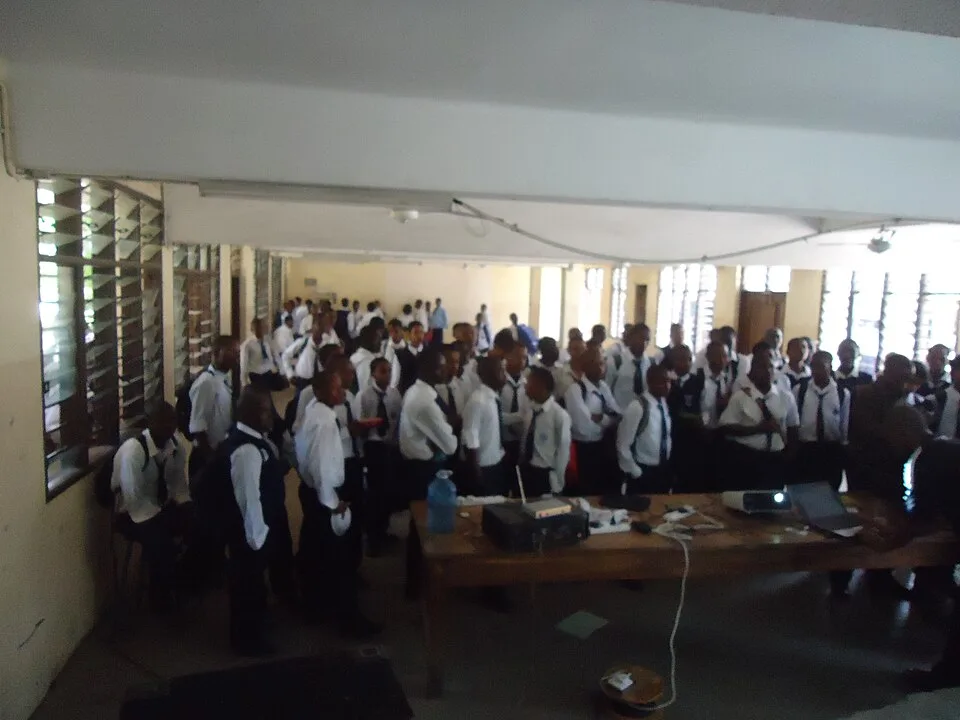
A broken appliance has to go somewhere. In Atteridgeville on 7 September, residents were offered an e-waste collection drive alongside a community dialogue for the International Day of Clean Air for blue skies. The combination put a practical question to officials as well as households. A person clearing out an unusable device needs somewhere accessible to take it. Everyone living nearby has an interest in what happens if the waste ends up on a fire.
In her speaking notes for the Tshwane event, Deputy Minister of Forestry, Fisheries and the Environment Bernice Swarts described how smoke from the burning of household rubbish, plastics and tyres travels beyond the place where it starts. Children on their way to school, people working nearby and families inside their homes may all be affected. An individual who never lights a fire may still breathe the resulting pollution. This is one reason a useful discussion of exposure quickly becomes a discussion of collection services.
Why electronics joined the programme
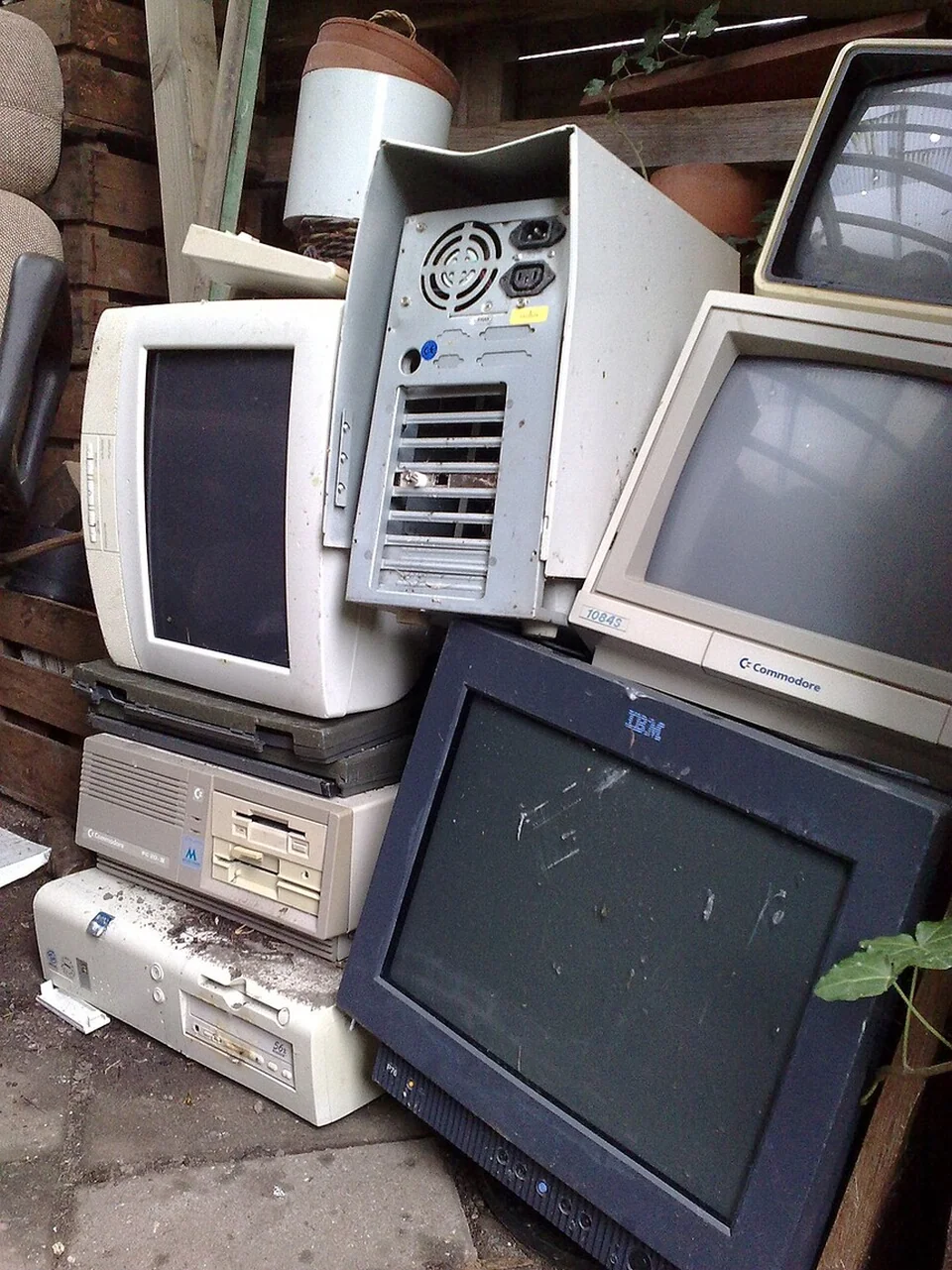
Swarts put South Africa's annual generation of electronic waste at more than 360,000 tonnes and said only a small share enters formal recycling. This is a national estimate. The government did not report that volume as material collected in Tshwane. South Africa prohibits disposal of e-waste to landfill and has introduced extended producer responsibility rules. In practical terms, producers and their organisations have responsibilities for products after people have finished using them.
For someone with an old electrical item, an organised collection offers a route out of the house without adding the device to an informal dump. For a municipality, the questions look different. Where are the next collection points? Which communities can reach them, and how will people know what each point accepts? A drive on a marked day can answer the immediate question for the residents it reaches. Keeping the service useful after that day takes a system that people can find again.
What residents bring to the conversation
The deputy minister acknowledged that telling people to stop burning waste leaves a gap if the circumstances that encourage it go unaddressed. A resident who can identify a repeatedly missed collection or a dumping location supplies information that a national estimate cannot. The department linked the dialogue to municipal services, producer responsibility organisations and the involvement of local businesses in recovering materials.
The UN Environment Programme used this year's observance to draw attention to shared sources of air pollution and climate emissions, and to the economic benefits of dealing with them together. In Atteridgeville, that broad case takes a form people can recognise: a route for one unwanted item, less material available to burn and a chance to ask who will organise the next collection. Whether those services become easier to use will matter long after the commemorative day.