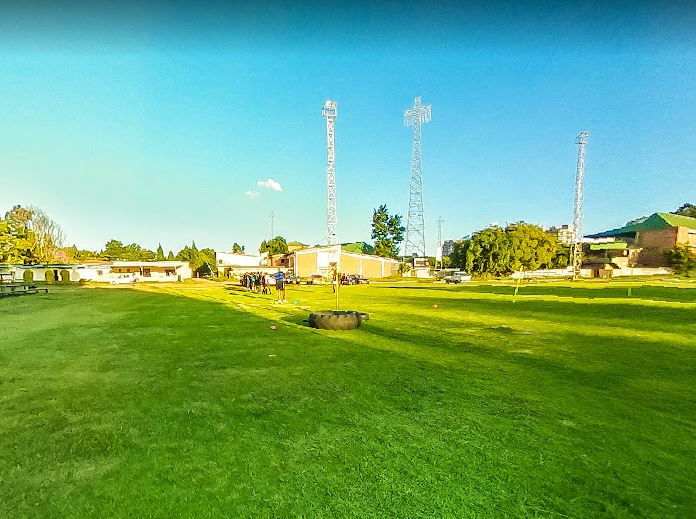
On one Saturday, New Zealanders can watch their country play Australia at rugby and South Africa at cricket. Across the year, from Rio to Harare and Kraków to Doha, that choice gets harder. Here is the calendar behind it.
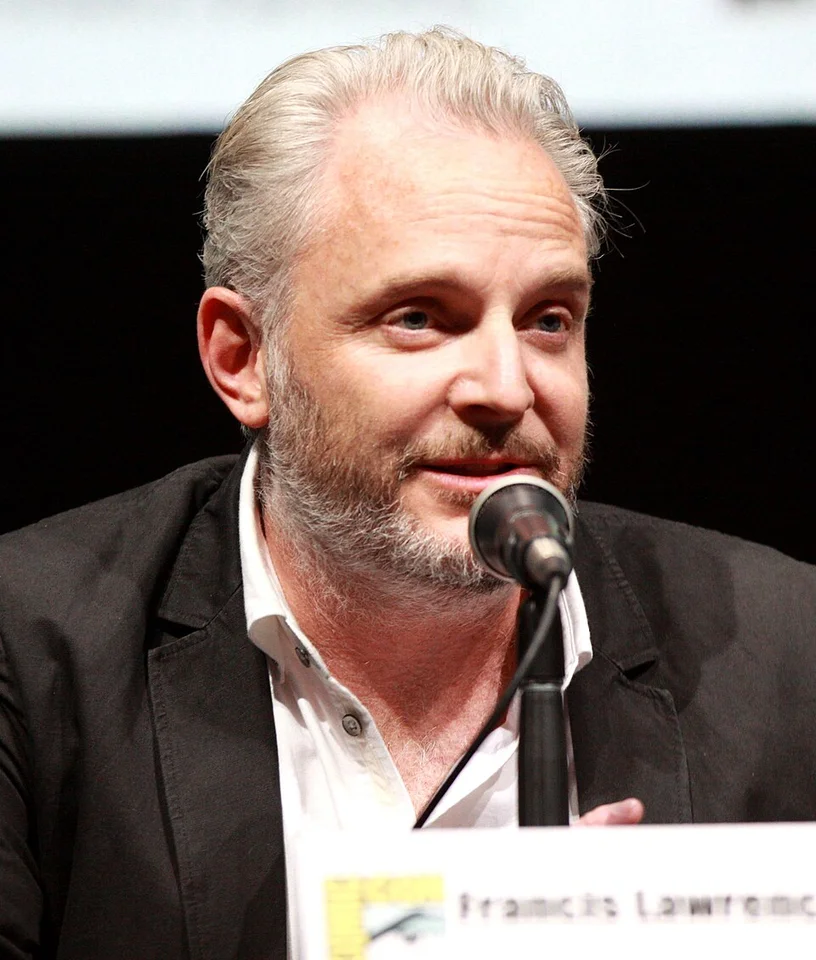
Sunrise on the Reaping has opened in North America, drawing a reported $21 million from previews and early access. Its longer test is whether familiar characters can sustain a new conversation.
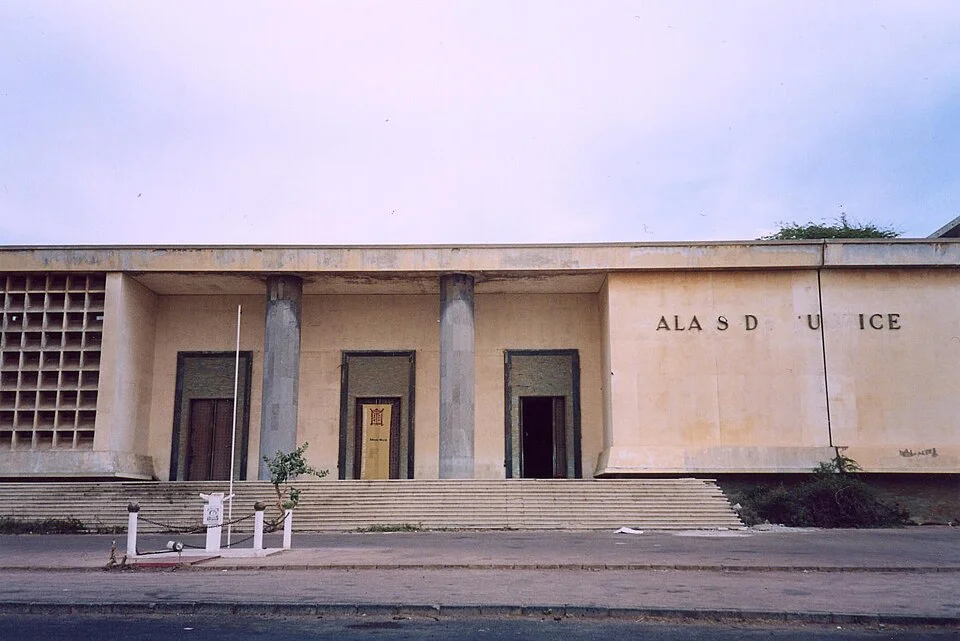
The 16th Dakar Biennale pairs a major exhibition with hundreds of independent shows. A visitor can follow one theme from Cameroon’s goldfields to neighbourhood galleries across Senegal’s capital.
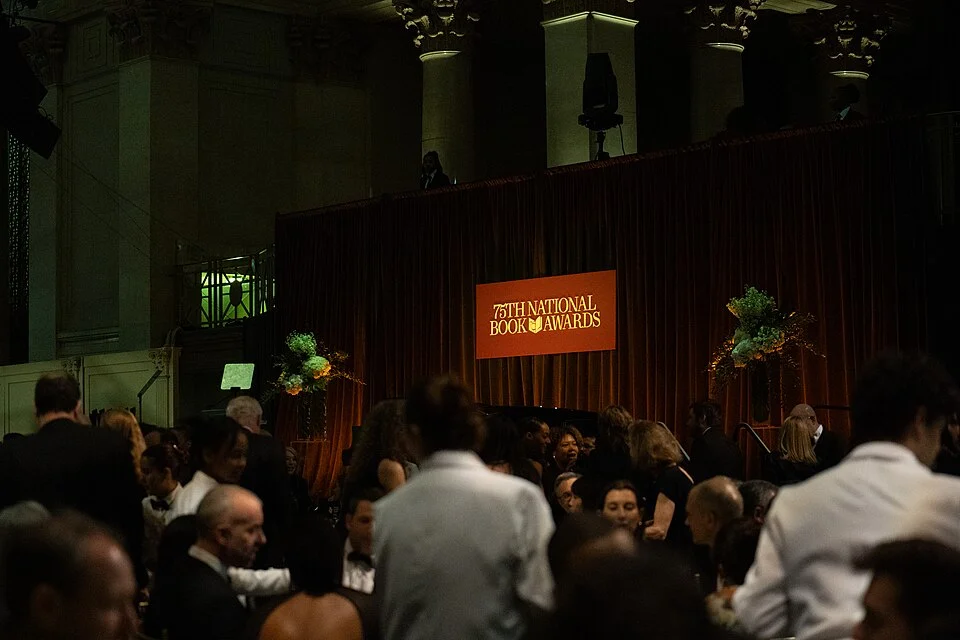
Abdelrahman ElGendy’s Huna takes its title from a song he heard in detention. On Wednesday night his editor accepted the US nonfiction prize for a writer who could not enter the country.
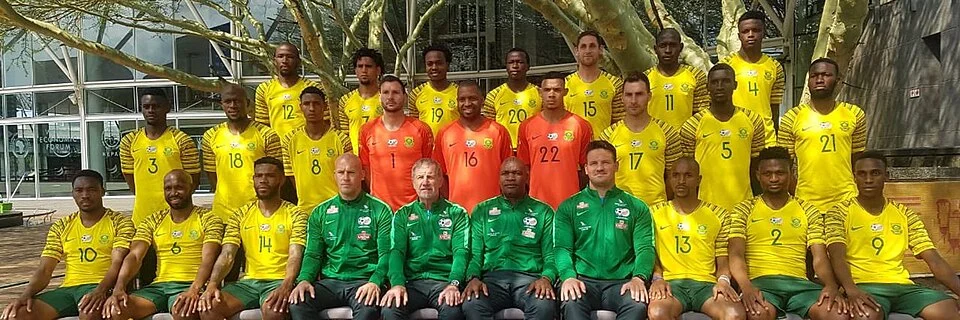
Two second-half goals lifted South Africa above Guinea. Kenya’s status as an AFCON co-host makes that single point especially valuable heading into the final two qualifiers.
Asmahan Bkerat’s documentary about an Afro-Palestinian Bedouin family has earned six IDA nominations. Three generations living beside new villas make an urban land dispute intensely personal.
Abuja’s Afrojazz week pairs five days of training with a market for live music. For a band hoping to tour, a conversation in Jabi could matter as much as Saturday’s concert.
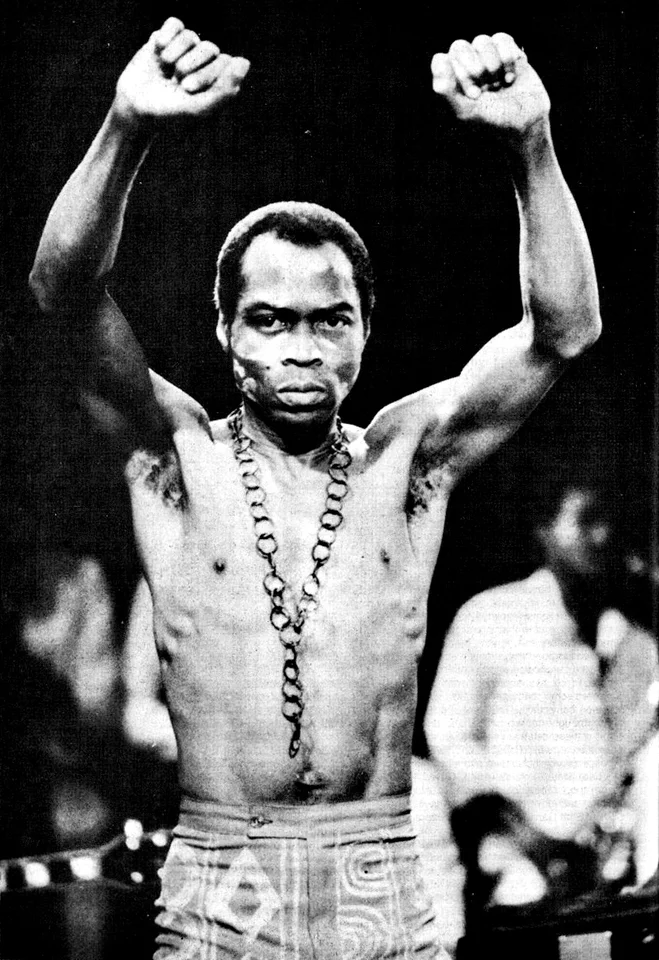
The Afrobeat pioneer’s recognition in Los Angeles opens a conversation about how African music is preserved, explained and experienced by new audiences.
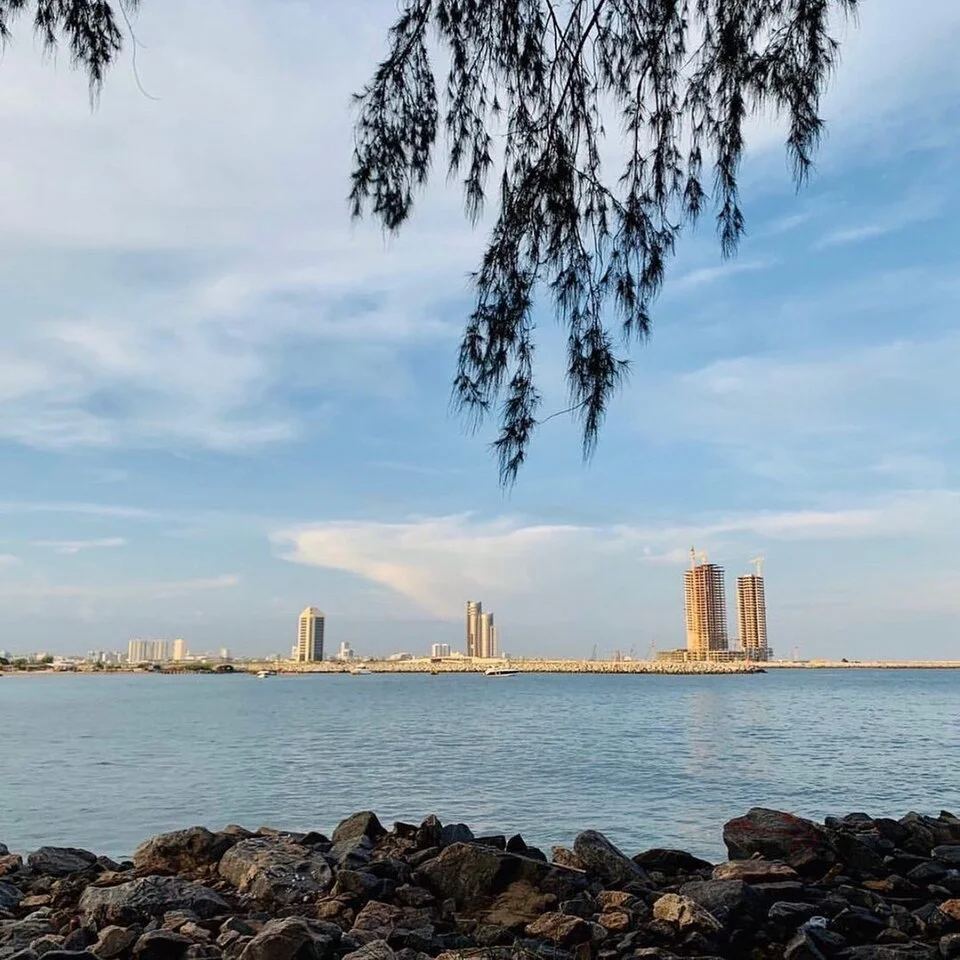
The Museum of Things Unseen opens at Eko Atlantic with a four-hour performance. A planned workshop gives residents a reason to come back and see what has changed.
Festival SICA’s 25th anniversary puts a workshop for stage designers beside a tribute to Malian arranger Boncana Maïga and a night of fashion and live music.
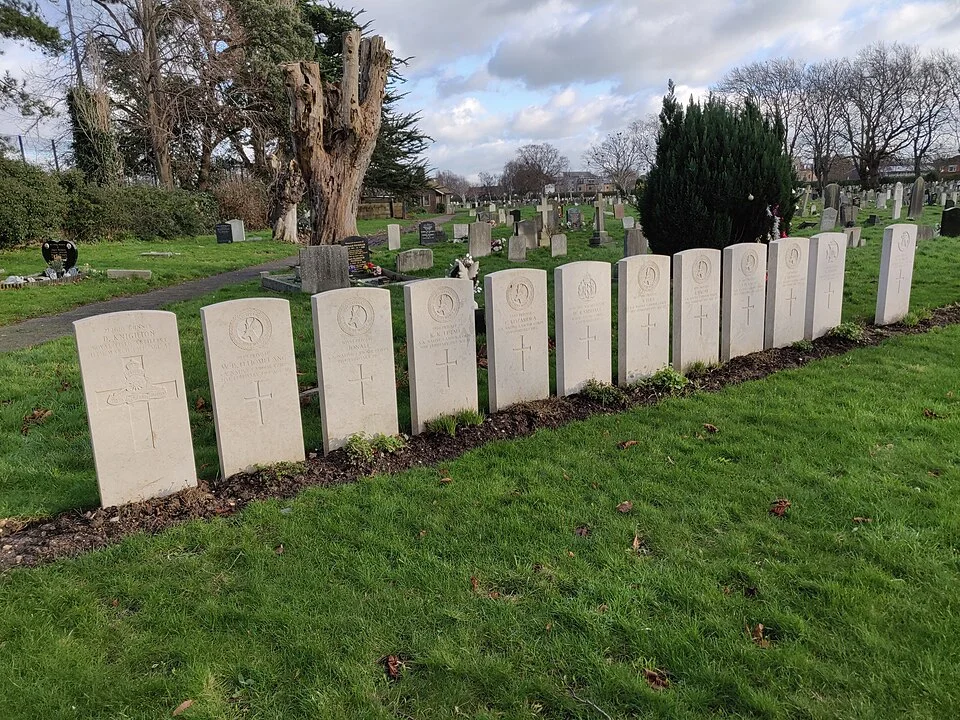
The SS Mendi sank off England carrying South African labourers to France. Graves across the North Sea offer another way into the story on Armistice Day.
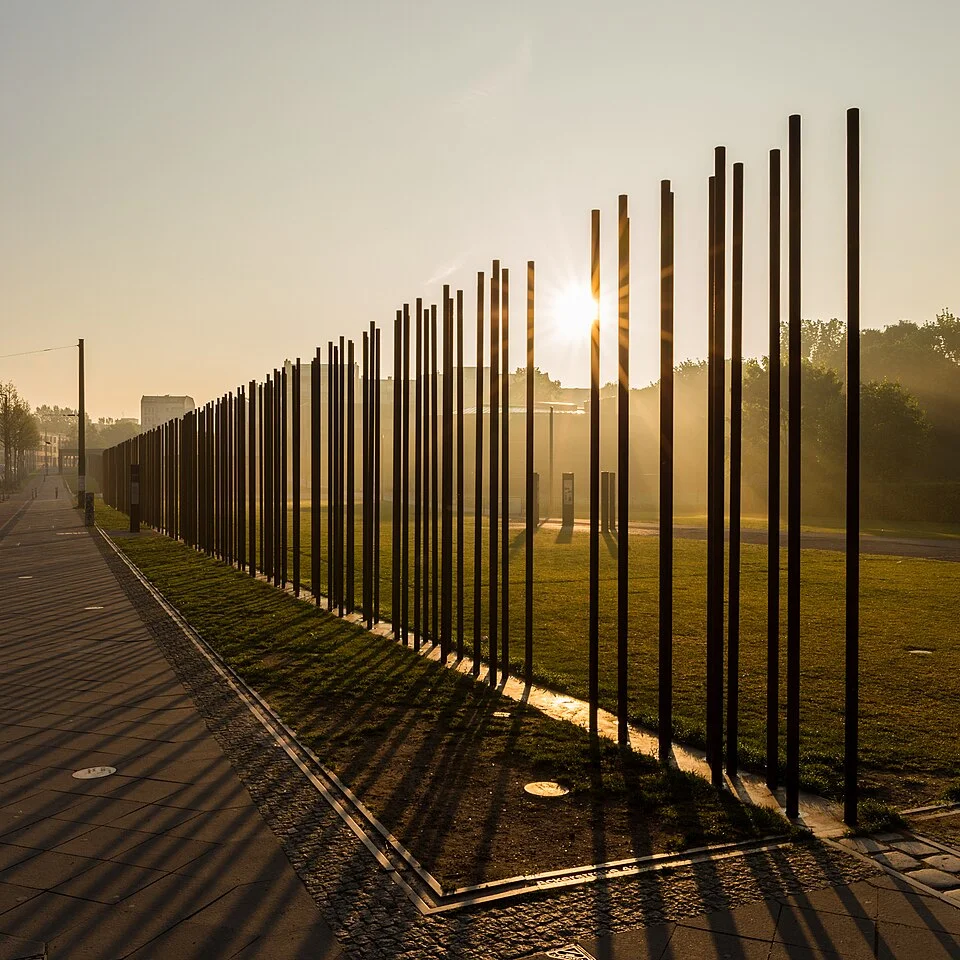
The anniversary falls on 9 November. A stretch of Bernauer Strasse tells what changed the following night, and how much longer taking down the boundary actually took.
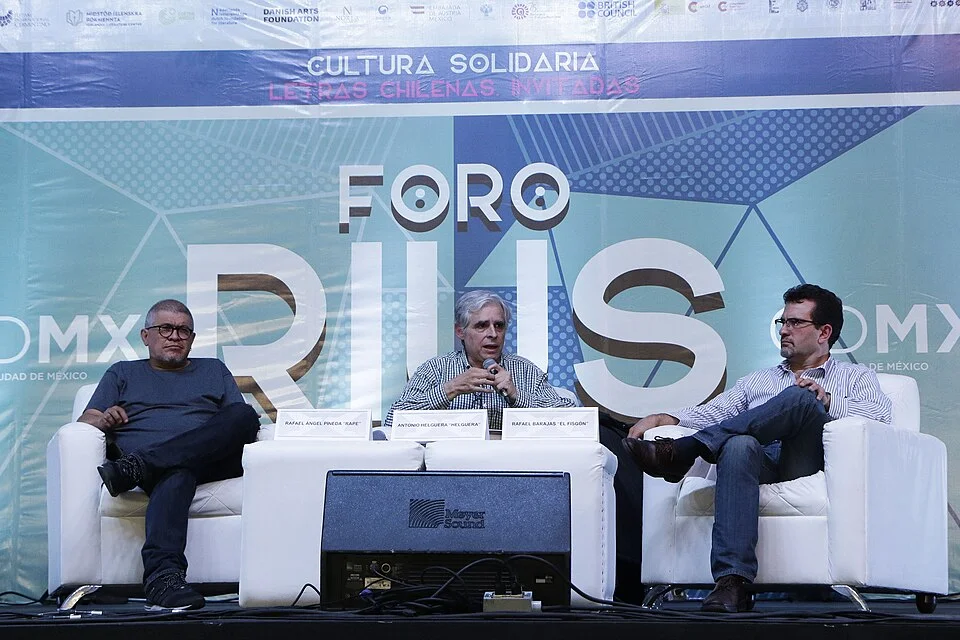
Tultepec’s fifth book fair put political cartoonist Antonio Helguera beside a display of the fair’s own history. Each asks readers to remember what was once news.
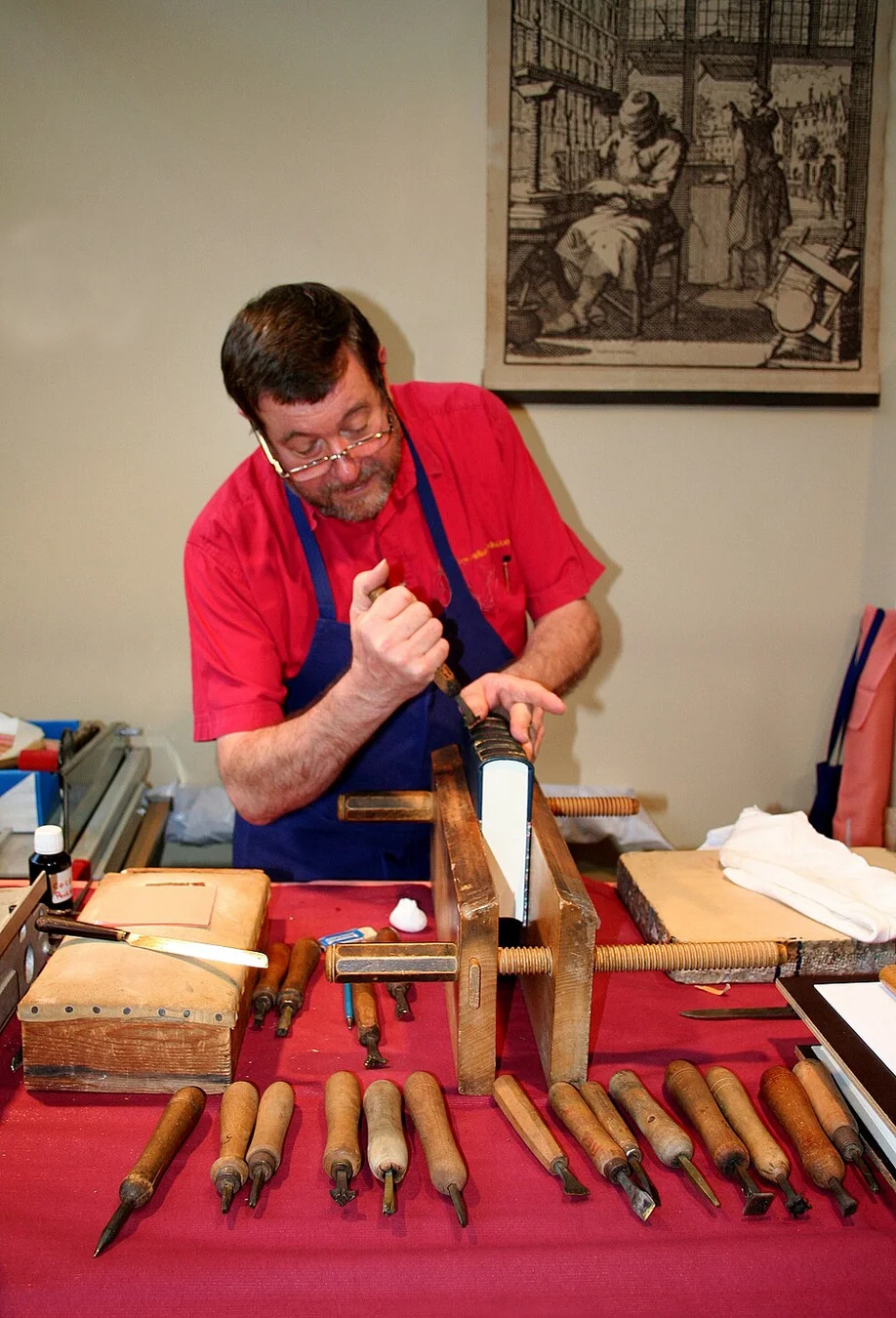
A free workshop at Wits Art Museum in Johannesburg puts a moving book into a visitor’s hands. A collection upstairs in the institution gives the little object a longer history.
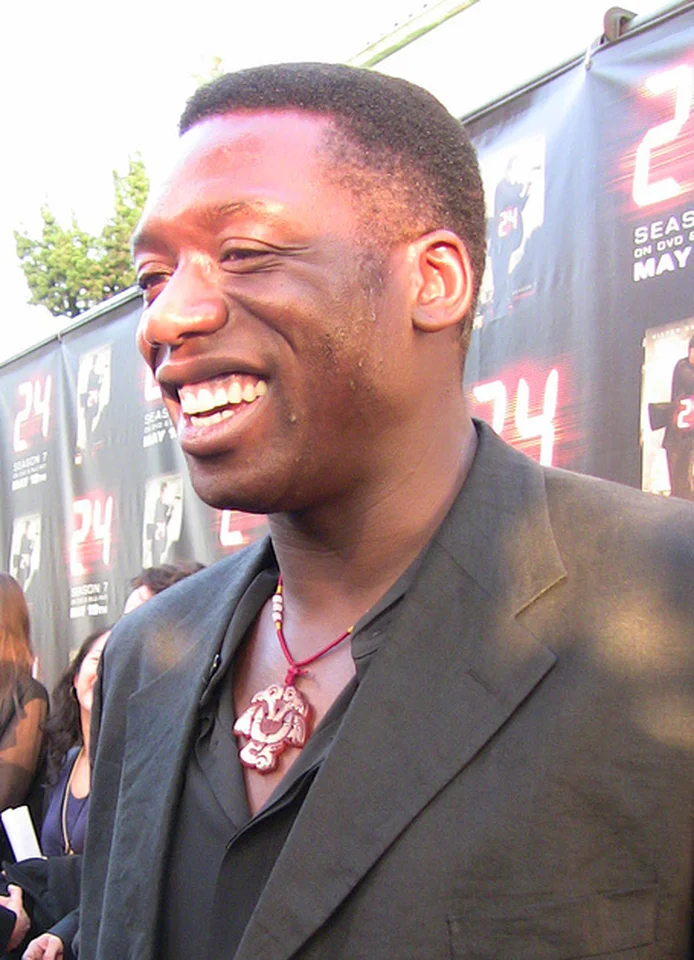
Hakeem Kae-Kazim’s first feature as director, It’s the Blackness, closes AFRIFF’s film programme on 6 November. The comedy-drama gives two highly qualified young men a problem their degrees cannot solve.
Atim Priscilla Ariance and Abiola Abajo won the two general writing prizes. Separate categories gave teenagers a place to submit their own work and recognised authors who write for children.
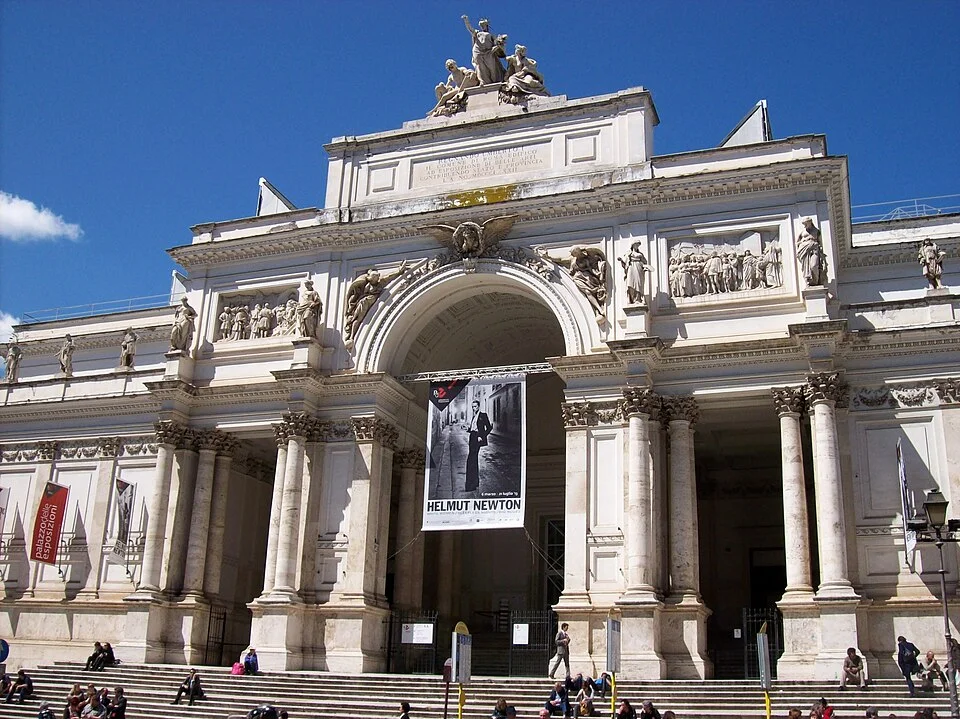
Fireworks traces the career of Ileana Sonnabend, whose galleries helped American and European artists find audiences on the other side of the Atlantic.
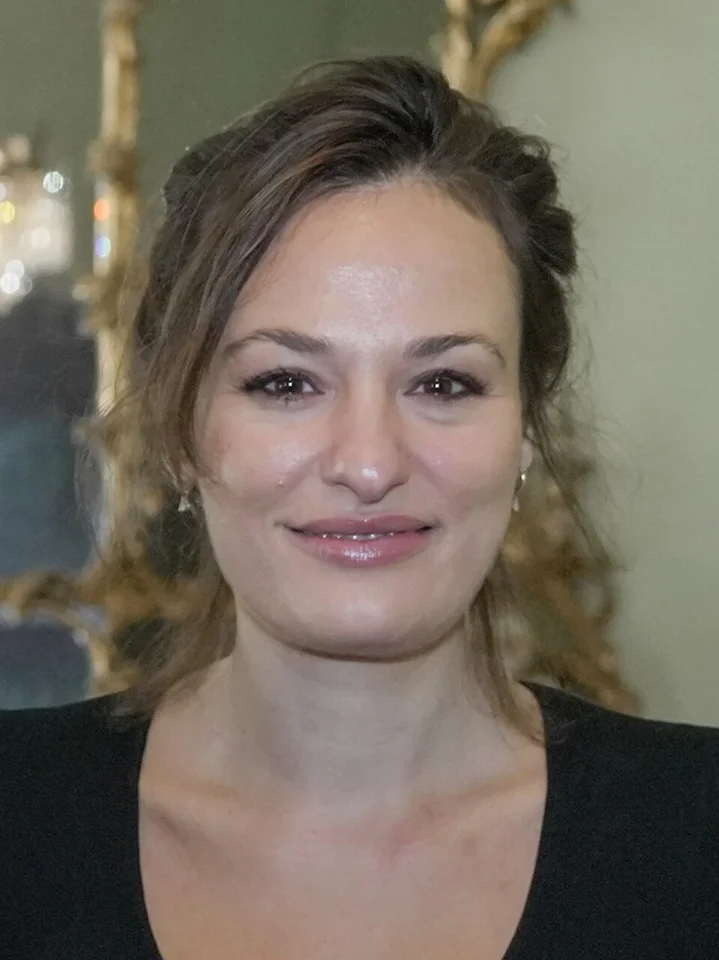
The Philharmonia’s Sunday programme put Nicola Benedetti at the centre of Mendelssohn’s E minor concerto. Some of its most revealing moments belong to the musicians around her.
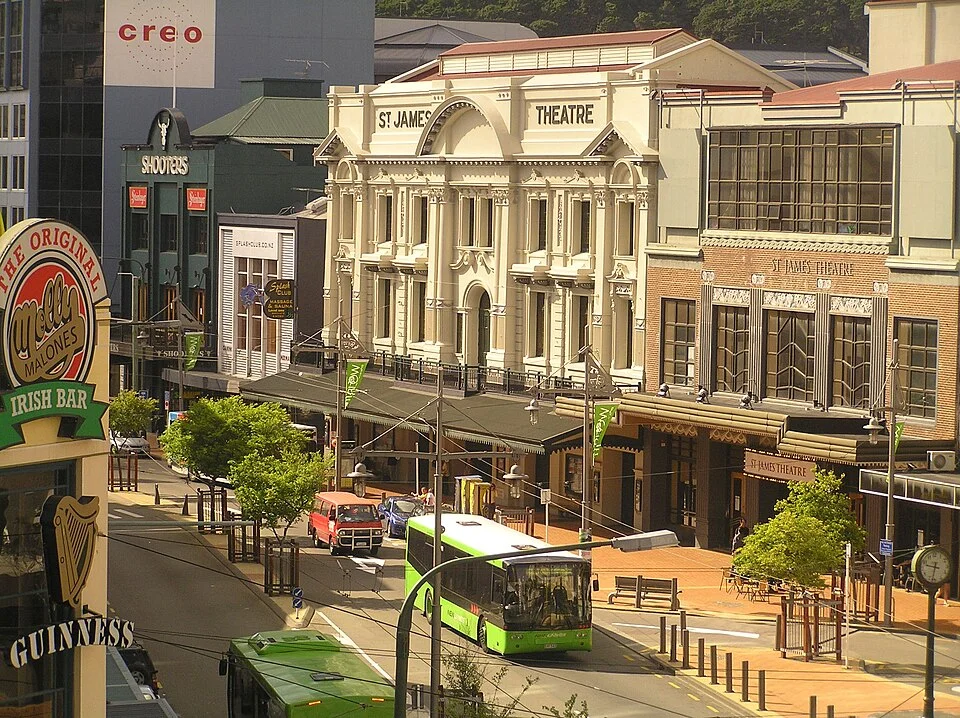
A cast sheet for the Royal New Zealand Ballet’s 1 November matinee reveals how much of an enchanted kingdom depends on performers changing roles around its princess.
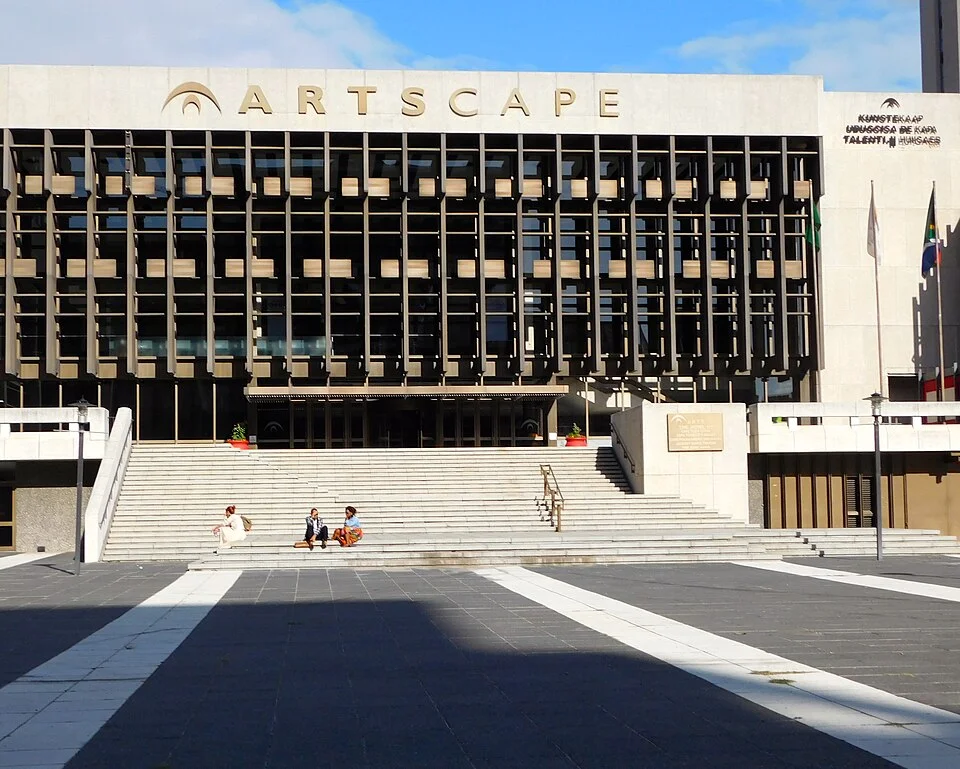
Umngqungqo reaches Cape Town’s Artscape Opera House on 31 October. Its journey through earlier venues shows how much arranging and collective musicianship sit behind a production led by one familiar voice.