- Atim Priscilla Ariance won the poetry award for Citizen of Nowhere and Abiola Abajo won for the short story The Empty Line.
- The organisers announced the winners in Kampala on 31 October and published the list on 1 November.
- The awards distinguish between work written by teenagers and work written for a young readership.
Inside this story 2 perspectives
Atim Priscilla Ariance of Uganda won the poetry prize at the ninth African Writers Awards for Citizen of Nowhere. Abiola Abajo of Nigeria won the short story award for The Empty Line. Each received a prize of US$100. The organisers announced the results in Kampala on 31 October and published the full list the following day, putting two titles by African writers in front of readers who may have heard of neither.
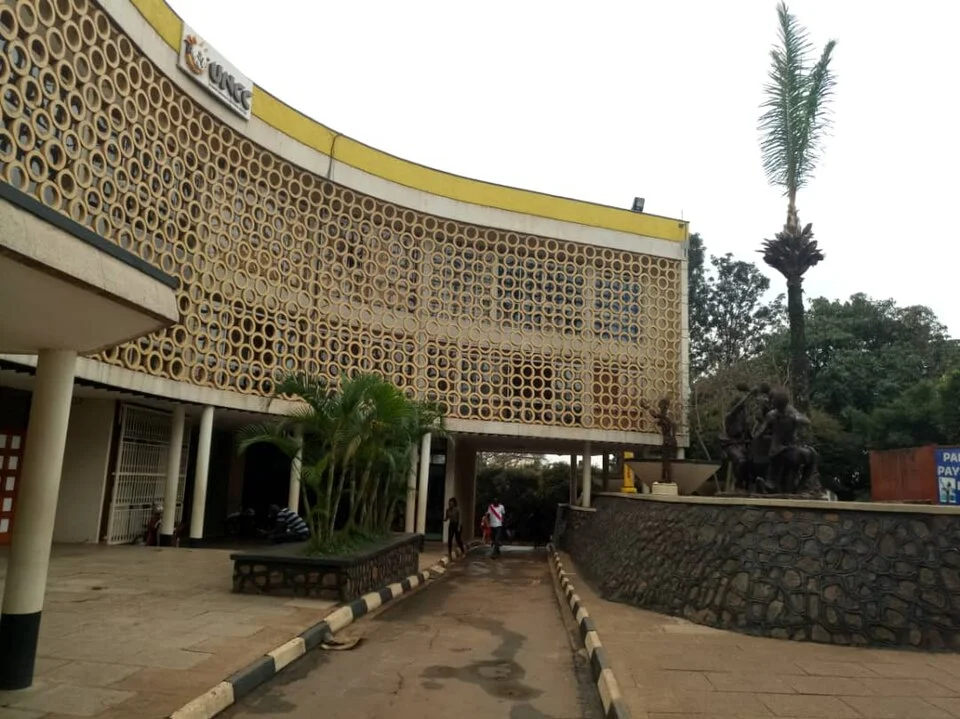
The awards closed a conference whose organisers explicitly placed the gathering in conversation with the African writers’ conference held at Makerere in 1962. One answer to the question of who gets heard at such a gathering sits in the structure of this year’s programme. Alongside the general poetry and story awards, it created room both for authors writing for young readers and for teenagers to submit writing of their own.
Who is writing, and for whom?
Deborah Chiemeke of Nigeria won the teen poetry prize for The Version They Upload. Masturah Alaro of Senegal won the teen prose prize for As Though Grief Can Be Solved with Persistence. Their awards recognise the people doing the writing. The Wakini Kuria prize for children’s literature approaches publishing from the other end of the relationship. An author in that competition has a particular readership in mind.
Kenyan writer Mercy Kioko took first place in the Wakini Kuria competition with Achoo!, receiving US$200. Yvonne Aore came second with Zola’s Book Delivery Service and Olajide Ojeniyi placed third with The Boy with the Binary Crown. Another distinction went to Kenyan writer Joyce Njeri. Her Doto-mtoto wa Ajabu wa Baharini won the inaugural Na-La Mapambazuko Afrika Award. The full list gives readers names and titles across several different routes into the same conference.
What readers can find after the ceremony
The general awards invited original, previously unpublished texts and allowed an entrant to submit in one genre. A short story had to run between 3,000 and 5,000 words. Those conditions matter to somebody looking up the winners. A prize announcement may be the first time a prospective reader encounters a title. Looking for a published collection with the same name may tell them little about where the individual piece will appear.
The September longlist, reported by ArtsLounge NYC, offers one way to look further back through the competition and find other writers considered for the awards. Looking ahead, the organisers say they plan to publish interviews with winners in the Writers Space Africa Literary Magazine from January 2027. The prize list records what the judges selected. Those interviews will give the writers an opportunity to speak about the work in their own words.