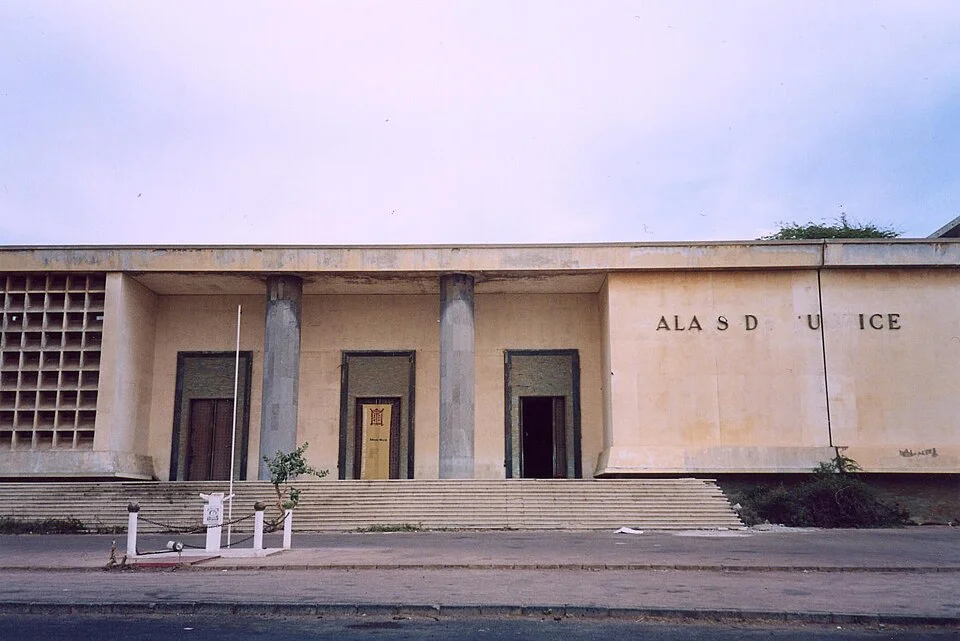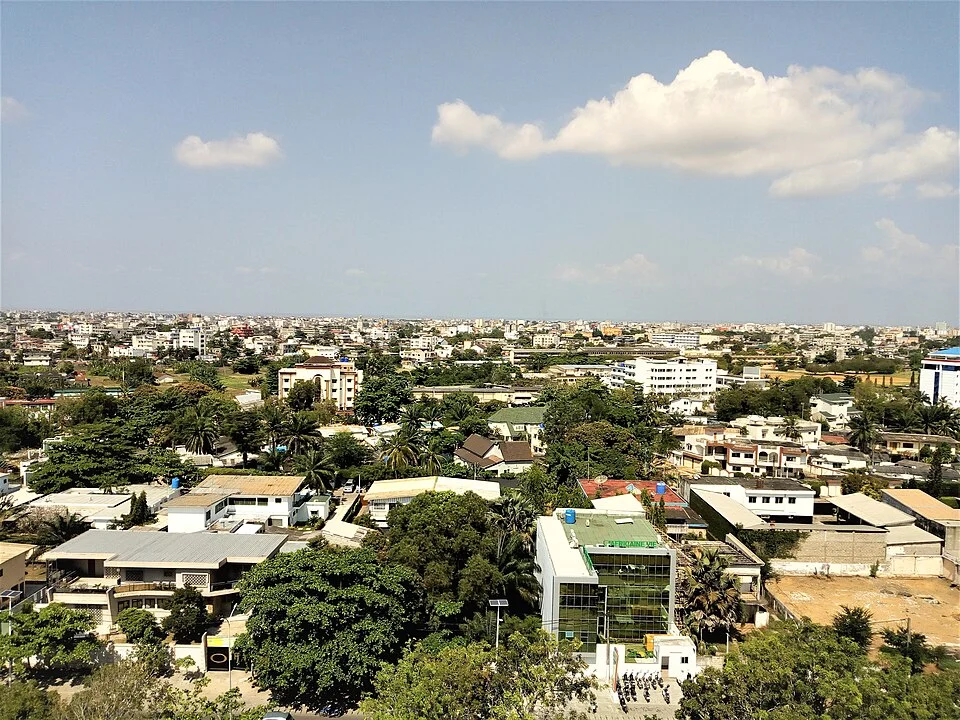
- The festival’s 20th edition marks its 25th anniversary.
- Boncana Maïga’s career connected Mali, Cuba and Côte d’Ivoire.
- The same venue scheduled professional training, an opening tribute and a concert.
Inside this story 2 perspectives
At two o’clock on Thursday afternoon, the programme at Cotonou’s former Ciné-Vog gave the stage to people who build stages. By four the same venue was scheduled to host a tribute to Boncana Maïga, the Malian flautist and arranger whose career linked Gao, Havana and Abidjan. By seven, fashion and live music were due to share the bill. Anyone wondering what a West African cultural festival trades in could find three different answers without leaving the building.
The occasion was the 20th edition of the Festival des Stars de l’intégration culturelle africaine, known as SICA. It began in Cotonou in 2001 and returned for its 25th anniversary after five editions hosted elsewhere in Africa. The programme brought music competitions, visual art, professional training and a fashion show into the same week. Thursday’s sequence offered an especially good argument for putting them in the same place.
The person behind the musician
A visual artist imagining a set needs to know what a performer actually does on it. Will a singer stay at the microphone or move across the stage? Does an arrangement need room for a band? Can a detail visible from the front row still register with someone at the back? A set designer and a musician can work through these questions together even if neither knows how to do the other’s job. For two hours, the festival assigned the problems of the visual artist bringing work from studio to stage a place of their own.
Maïga provides a particularly apt companion to that idea. As Music In Africa recounts, he helped found Las Maravillas de Mali while in Cuba in the 1960s. He later directed the orchestra of Côte d’Ivoire’s national broadcaster and worked with producer Ibrahim Sylla on Africando. An arranger makes decisions about how other musicians sound together. It is possible to know and love the result for years before learning the arranger’s name.
What travels home with the audience
The former cinema was also the venue for training in cultural journalism earlier in the week. That session put local coverage, professional standards and podcasts on the agenda. A competition offers an artist a chance to be heard in the room. A thoughtful interview can reach a listener in a place the artist has yet to visit. Both take practice, and the timetable made space for the people who do each.
On Friday the music competition was due to begin its first round. Someone arriving for that contest could reasonably expect the most interesting question to be who wins. A visitor following the whole week could come away with another name worth remembering. It might belong to an arranger, a journalist or the person who worked out how a moving performer could be seen from the very last row.