- Concrete Land is among five nominees for the International Documentary Association’s feature prize.
- Asmahan Bkerat filmed three generations of the Najar family near Amman over eight years.
- The nominations recognise production, editing and sound alongside the film itself.
Inside this story 2 perspectives
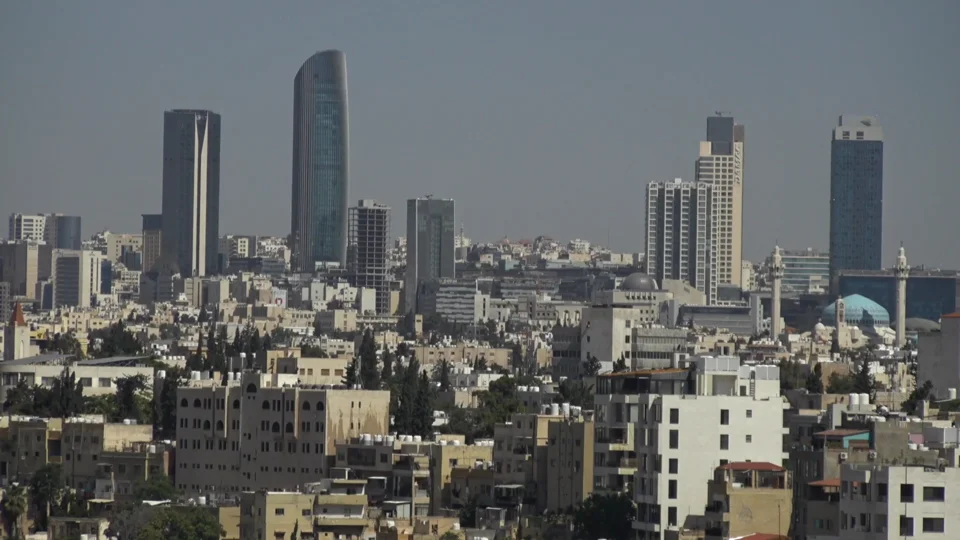
Awad Najar drives a cement truck. At home, three generations of his family live in tents on farmland outside Amman, where new villas are going up around them. The same urban expansion that gives his job its purpose puts pressure on the place he comes home to. Few planning diagrams could capture that contradiction as economically as a portrait of one working father.
The portrait is part of Concrete Land, Asmahan Bkerat’s feature documentary about the Najars, an Afro-Palestinian Bedouin family. On Tuesday the International Documentary Association named it among five contenders for its feature award. The film appears in six categories altogether, including editing, production and sound design. Winners are due to be announced in Los Angeles on 4 December.
What an eight-year shoot can catch
Bkerat met the family near Amman in 2016. She spent eight years filming them, long enough to see disagreements that a shorter visit might compress into a simple story of a family facing eviction. Awad’s father tends sheep and wants to stay. Awad has children to look after and has to consider how the family would live elsewhere. An answer that makes sense to a grandfather need not settle the matter for a father.
The film also follows Awad’s daughter Eman, who encounters prejudice at school. The animals include a favourite sheep called Badrya. Those details matter because they give the family interests, difficulties and loyalties that exist independently of the property dispute. People who enter the news because someone wants them to move have whole lives before the notice arrives. Here the audience gets to spend some time with those lives.
The awards attention reaches beyond the name on the director’s credit. Ban Maraqa, who produced the film with Bkerat, is also nominated for editing. Rana Eid is recognised for sound design. Making a feature from eight years of material means deciding which family conversations need room to unfold and how much of the changing world outside the tents a viewer needs to hear.
Who gets to explain a city?
Audiences in fast-growing African cities will recognise the distance between two ways of looking at a piece of land. A developer might see its proximity to new houses. A family might see work, grazing, school and a network of relatives, all within reach of one another. Replacing a dwelling and replacing those relationships are quite different propositions.
The Najars have a particular history and a particular claim on our attention. Concrete Land offers those readers a good question to take back to their own cities: when a neighbourhood appears in a photograph as the site of the next development, whose working life has the camera already cropped out?